
How To
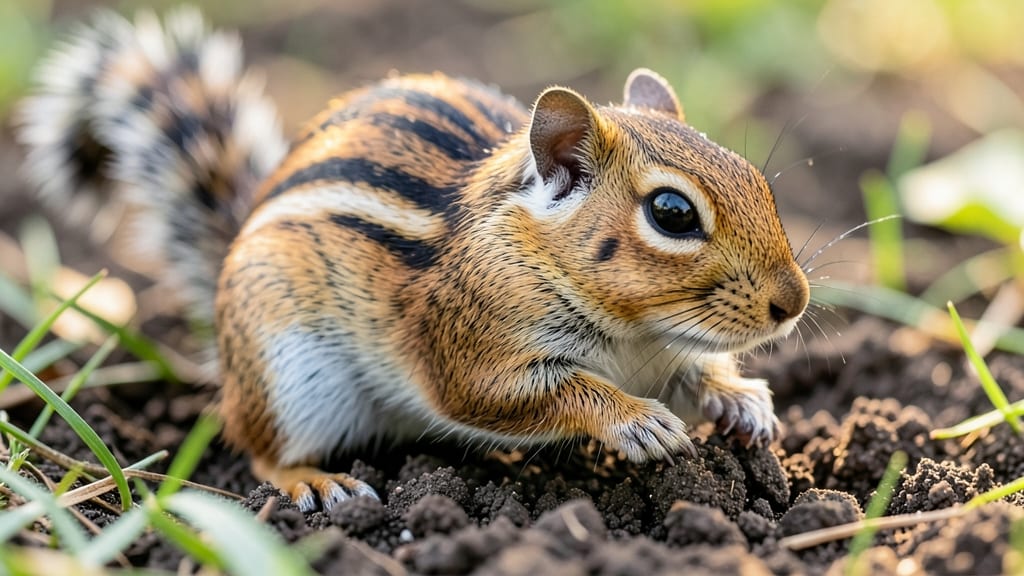
How to stop chipmunks from digging holes in your lawn—those striped troublemakers have turned your yard into a Swiss cheese of holes over the past three summers. I’ve finally cracked the code with methods that work within a day. The key is removing their motivation: food, shelter, and easy digging. Castor oil spray, pepper-based repellents, and even coffee grounds (yes, really) make your lawn taste terrible to them. Physical barriers like wire mesh or buried chicken wire block their tunneling without harming them. Within 24 hours, you’ll see fewer fresh holes as they move on to easier targets. The real win? No toxic chemicals, just clever deterrents that keep your grass intact and the chipmunks (mostly) out of your yard. For stubborn cases, humane traps relocate them—just check local laws first. The secret is consistency: combine repellents, barriers, and habitat tweaks for long-term peace. Let’s get your lawn back!
Root Causes of Lawn Digging
If your lawn is suddenly dotted with fresh chipmunk holes, you’re not just dealing with a nuisance—you’re witnessing the work of tiny, industrious rodents with specific needs and instincts.
Understanding why chipmunks dig can help you address the problem at its source. Here’s a breakdown of the key reasons behind their tunneling behavior:
Chipmunks are obligate burrowers, meaning they must dig to survive. Their burrows serve as:
- Year-round homes: Unlike groundhogs or squirrels, chipmunks don’t hibernate in the same burrow year-round. Instead, they create multiple nest chambers (2–4 per burrow) lined with dried grass, leaves, and even stolen seeds. These nests regulate temperature and humidity, protecting them from predators and extreme weather.
- Escape routes: A single burrow system can stretch 10–20 feet underground, with multiple entrances. This labyrinth helps them evade owls, cats, and other threats. If your lawn is soft or loose, it’s perfect for their digging.
- Maternity dens: Females dig deeper, more secluded burrows (up to 3 feet down) in spring to give birth to litters of 2–8 pups. These nurseries are off-limits to males and require undisturbed soil.
Actionable insight: If you spot fresh holes in spring or early summer, it’s likely a nesting site. Avoid disturbing the area until pups (if present) have fledged—usually by late summer.
Chipmunks are scatter-hoarders, meaning they cache food in hundreds of shallow holes across their territory. This behavior is hardwired for survival:
- Seed and nut stashes: A single chipmunk can hide 5,000–10,000 seeds in a season! They dig 1–3 inch deep holes near their burrows to bury acorns, sunflower seeds, or stolen birdseed. These caches are often forgotten, leading to new plant growth (or your frustration).
- Protein-rich snacks: If you’ve noticed holes near pet food bowls or compost piles, chipmunks are digging to access meat scraps, eggs, or insects. They’ll even raid gardens for earthworms or grubs.
- Seasonal prep: Autumn triggers hyperactive digging as chipmunks stockpile for winter. A single hole can yield 50+ seeds—enough to sustain them through snow.
Actionable insight: If holes appear in clusters near trees, bird feeders, or compost, remove the food source. Castor oil-based repellents (applied to soil) can disrupt their scent trails and deter caching.
Not all lawns are equal to chipmunks—and they choose their digging spots based on soil conditions:
| Soil Type | Why Chipmunks Love It | Digging Risk Level |
|---|---|---|
| Loamy (mix of sand, silt, clay) | Easy to dig, retains moisture, and provides good drainage for burrows. | ⭐⭐⭐⭐⭐ (High) |
| Sandy | Lacks structure, so chipmunks dig wider, shallower tunnels to stabilize nests. | ⭐⭐⭐⭐ (High) |
| Clay-heavy | Hard to dig, but chipmunks will target weak spots (e.g., near roots or rocks). | ⭐⭐ (Low-Moderate) |
| Well-drained with grass roots | Provides tunnels between roots, making it harder to spot holes until it’s too late. | ⭐⭐⭐⭐ (High) |
Actionable insight: Chipmunks avoid compacted or rocky soil. If your lawn has these areas, they’ll dig elsewhere—often near sidewalks or garden edges where soil is softer.
Sometimes, we create the perfect chipmunk paradise without realizing it:
- Overwatered lawns: Soft, moist soil is a digging magnet. Chipmunks avoid dry, hard-packed turf.
- Landscaping "gifts": Mulch piles, wood chips, or leaf litter near foundations insulate their burrows and attract insects they eat.
- Pet food left outside: Even small amounts of kibble or wet food can trigger digging as they search for scraps.
- Bird feeders near the house: Spilled seeds create a 24/7 buffet, drawing chipmunks to dig under feeders or near downspouts.
Actionable insight: Conduct a "chipmunk audit" of your yard. Remove food sources, secure trash cans, and avoid overwatering high-traffic areas.
Key takeaway: Chipmunk digging is rarely random—it’s a purposeful response to their survival needs. By identifying whether they’re nesting, caching food, or seeking ideal soil, you can target your deterrents more effectively. The next section will cover how to disrupt these behaviors naturally without harming the animals.
Proven Ways to Stop Chipmunk Digging
Now that you understand why chipmunks are turning your lawn into a Swiss cheese landscape, it’s time to take action! The good news? With the right strategies, you can deter these tiny troublemakers without resorting to harsh chemicals or traps.
Below, we’ve mapped common causes to effective fixes, along with prevention tips to keep your yard chipmunk-free long-term.
---
Chipmunks dig to store food, so if they’re snacking on your garden, they’ll keep coming back. Fix it fast with these steps:
#### 1. Remove Food Sources 🍎🚫 - Clear fallen seeds, nuts, and fruit from your lawn and garden beds. Chipmunks are opportunistic eaters! - Secure trash cans with tight-fitting lids, especially if they contain food scraps. - Avoid overwatering lawns—wet seeds (like grass or clover) become a buffet.
#### 2. Use Natural Repellents 🌿🔥 - Spray peppermint or castor oil around the perimeter of your lawn. Chipmunks hate the smell! - Mix: 2 tbsp peppermint oil + 1 gallon water in a spray bottle.
Reapply after rain. - Scatter coffee grounds (used, not fresh) near digging spots—the strong aroma deters them.
#### 3. Block Access to Gardens 🥬🔒 - Install hardware cloth (¼-inch mesh) around raised beds or mulch piles. - Use chicken wire (temporarily) over vulnerable areas until chipmunks lose interest.
--- Chipmunks dig burrows for safety, especially in dry, loose soil. Stop them before they start:
#### 1. Make Your Lawn Less Inviting 🏗️ - Aerate compacted soil—chipmunks prefer soft, easy-to-dig spots. Use a garden aerator or rent one. - Add mulch or gravel over bare soil to make digging harder (they’ll pick softer spots instead).
#### 2. Block Burrow Entry Points 🚧 - Fill existing holes with water, then cover with soil and a layer of pebbles (they’ll avoid soggy spots). - Install a wire mesh barrier (1/4-inch hardware cloth) 6–12 inches deep around high-risk areas.
#### 3. Provide Better Shelter Elsewhere 🌳 - Plant dense shrubs or ground covers (like boxwood or ivy) to give chipmunks natural hiding spots away from your lawn. - Leave a small "wild" area (even a corner of the yard) with leaves or logs—they’ll prefer that over your manicured grass.
--- If your yard is too perfect (short grass, no rocks, no debris), chipmunks will dig where they can. Give them better options:
#### 1. Create a "Chipmunk Distraction Zone" 🎯 - Pile rocks, logs, or bricks in a corner of your yard. They’ll dig there instead of your lawn. - Leave a patch of wildflower seeds—the roots will give them a natural digging opportunity.
#### 2. Use Physical Barriers Strategically 🛡️ - Lay down landscape fabric under mulch in garden beds to discourage digging. - Install a shallow trench (6 inches deep) filled with crushed gravel around flower beds—they’ll avoid the rough texture.
--- - 🔄 Rotate repellents every few weeks so chipmunks don’t get used to them. - 🌧️ Reapply sprays after rain—natural deterrents wash away quickly. - 🕒 Be patient! It may take 24–48 hours for chipmunks to notice and move on. - 🐾 Avoid traps or harm—relocate them humanely if possible (check local wildlife laws).
--- - Mothballs or poison 🚫—These are inhumane and can harm pets, kids, and other wildlife. - Overwatering 💦—Wet soil can make digging harder, but it also attracts pests and fungi. - Ignoring the problem 😴—The longer you wait, the more damage they’ll do!
--- By addressing the root cause (food, shelter, or boredom) and using targeted, humane solutions, you’ll see results fast. Try one or two methods today, and watch those pesky chipmunks find a new project to chew on! 🐿️💨
Frequently asked questions about chipmunk lawn damage
Why do chipmunks dig holes in my lawn year-round?
Chipmunks dig for survival needs: nesting (spring/summer), food caching (fall/winter), and escape routes. Their burrows provide shelter from predators and temperature extremes. If you see holes in warm months, it’s likely nesting activity—avoid disturbing them until pups leave (usually by late summer).
Will coffee grounds really keep chipmunks away?
Yes! Used coffee grounds work because chipmunks dislike the strong smell. Sprinkle them around digging spots or near entry points. For best results, refresh every 3-4 days or after rain. Combine with castor oil spray for stronger deterrence.
How deep should I bury wire mesh to block digging?
Install 1/4-inch hardware cloth at least 12 inches deep to prevent tunneling. For existing holes, bury it 6-8 inches around vulnerable areas. Chipmunks can squeeze through larger gaps, so use fine mesh and secure edges tightly.
Are peppermint oil sprays safe for pets?
Use with caution—peppermint oil is toxic to cats if ingested. Keep sprays away from pet areas and avoid direct application to plants they might eat. For dog-safe options, try garlic or predator urine repellents instead.
What's the fastest way to fill chipmunk holes?
Fill holes with water first (they dislike soggy soil), then cover with pebbles or coarse sand before adding topsoil. This creates a barrier they’ll avoid. For large burrows, mix in dry cement (1 part cement to 3 parts soil) to deter future digging.