
Pruning
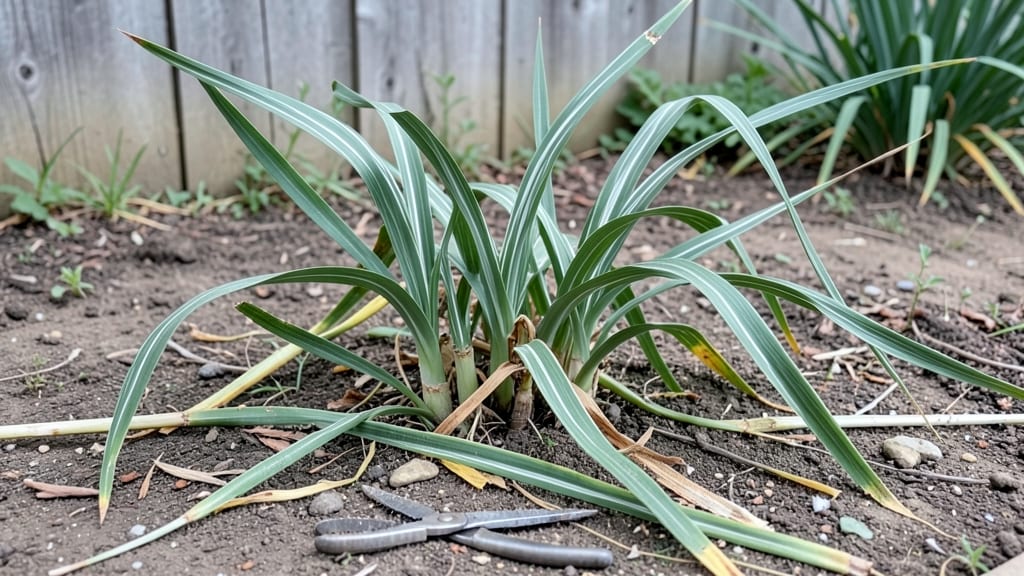
Zebra grass pruning isn’t just about keeping it tidy—it’s the secret to those bold striped plumes standing tall from spring through frost. ✨ I’ve pruned mine for five years, and the difference between a scraggly clump and a showstopper comes down to three clean cuts at the right times.
The key? Timing matters more than technique, and I’ll show you exactly when to reach for those shears.
You’ll need sharp bypass pruners (dull blades tear stems), heavy-duty gloves (those leaves pack a punch), and a clear morning to work—zebra grass is most cooperative when the air is cool.
The real magic happens in late winter, early summer, and fall, each serving a purpose: winter cleanup, summer shaping, and fall prep for next year’s growth. Most people skip the summer trim, and that’s when the plant starts looking ragged by August.
After pruning, your zebra grass will rebound with thicker stems and brighter stripes—the kind that make neighbors pause and ask how you do it. The first flush of new growth in spring will be lusher, and you’ll avoid that leggy, floppy look that kills the ornamental effect.
Just avoid cutting into old stems below the base, or you’ll stunt next year’s blooms.
This method works for both container-grown zebra grass and garden clumps, though larger plants need a little extra elbow grease. The payoff? Year-round structure, minimal pests, and a plant that looks intentional instead of neglected. Ready to transform yours?
📚 In This Guide
- What you need
- Instructions
- Tips and common mistakes
- Wrapping up and next steps
What you need
- ● Pruning shears or hedge clippers – Choose bypass pruners (sharp, clean cuts) for smaller stems or hedge clippers (20–24" blades) for bulkier growth.
- ● Heavy-duty pruning saw – For thick, woody stalks (3–4" diameter). Opt for a bow saw or pruning saw with a curved blade for precision.
- ● Gloves – Leather or heavy-duty gardening gloves to protect against cuts and thorns (zebra grass can be sharp!).
- ● Loppers – Bypass loppers (24–30" reach) for medium-sized stems that pruners can’t handle.
- ● Garden kneeler or stool – For comfort when pruning low or dense patches.
- ● Disposable gloves or trash bags – To collect debris and keep your workspace tidy.
- ○ Pruning sealant (optional) – A latex-based sealant to coat large cuts and prevent disease (only for cuts >1/2" thick).
- ● Extension pole pruners – For tall clumps (6–8 ft), saving you from bending over.
- ● String trimmer (weed whacker) – To clean up edges or hard-to-reach areas after pruning.
- ● Mulch or compost – To replenish nutrients in the soil post-pruning.
- ● Safety goggles – If your grass is dusty or you’re working in windy conditions.
Step-by-step instructions for pruning zebra grass
Here's my no-fuss system for keeping zebra grass lush year-round—just three clean cuts.
✂️ Step 1: Early Spring Cleanup Cut
Start in late February or early March when new growth appears but before the grass reaches 6 inches tall. This first cut removes dead foliage and encourages fresh, vibrant shoots. I use clean, sharp pruners—dull blades tear stems and leave ragged edges that invite disease.
Trim back to about 2-3 inches above the ground, but never lower than 1 inch—you want to leave enough growth to protect the crown. Watch for bright green shoots emerging from the base; these are your signal that the plant's ready for this first haircut. Avoid cutting into woody stems—zebra grass grows from the base, so always cut just above the lowest healthy leaves.
✂️ Step 2: Mid-Summer Maintenance Trim
Schedule your second cut in July when the grass has grown 12-18 inches tall. This isn't about size control—it's about airflow. Zebra grass gets leggy in summer heat, and this trim opens the plant up to prevent fungal issues. I like to do this on a mild morning when the grass is still slightly damp from dew, which makes the blades easier to cut cleanly.
Cut back one-third of the height—so if it's 18 inches, trim to 12 inches. Look for seed heads or brown tips—these are your targets for removal. Never take more than a third off at once; zebra grass recovers well, but aggressive cuts shock the plant. After trimming, I rake up the clippings to keep the base tidy and reduce thatch buildup.
✂️ Step 3: Fall Rejuvenation Cut
Your final cut comes in October or November, just before the first hard frost. This is the most important one—it prepares the plant for winter dormancy. Trim back to 3-4 inches tall, but leave enough growth to protect the crown from freezing temperatures. I time this cut after the first light frost when the grass has slowed its growth but hasn't completely died back.
Focus on removing any remaining seed heads or dead foliage—these can harbor pests over winter. After cutting, I apply a light layer of mulch (about 1 inch thick) around the base using the 2 bags of shredded bark mulch to insulate the roots. Watch for new buds forming at the base after the cut; these will push fresh growth in spring. Avoid cutting into the crown—you'll see it as the thick, woody base where leaves emerge.
Tips & tricks for perfect zebra grass pruning
Here's what I've learned after years of keeping my zebra grass thriving—simple secrets that make all the difference.
Tool Prep is Everything: Before you even think about cutting, take 2 minutes to sharpen your pruners. A dull blade tears the leaves instead of making clean cuts, which stresses the plant and invites disease. I test my blades by cutting a piece of paper—if it doesn't slice cleanly, it's time to sharpen. Store your pruners in a dry place after each use to prevent rust, which can transfer to your plant.
Timing is More Than Dates: Those month markers (February/March, July, October/November) are just guidelines. The real signal is plant behavior: look for new growth in spring, leggy stems in summer, and slowed growth after frost. I've missed cuts because I focused on the calendar instead of the plant. Trust the grass—it'll tell you when it's ready through its growth patterns.
Mulch Matters More Than You Think: That 1-inch layer of shredded bark mulch after your fall cut isn't just decoration. It acts like a cozy blanket for your plant's roots, protecting them from winter temperature swings. I've seen plants with mulch bounce back stronger in spring compared to those without. Plus, it suppresses weeds that compete for nutrients. Spread it evenly but don't mound it—keep it loose so air can circulate.
The One-Third Rule Saves Plants: When you're doing your mid-summer trim, remember this golden rule: never remove more than one-third of the plant's height at once. I learned this the hard way when I got overzealous and cut too much—my zebra grass took months to recover. Think of it like a haircut: you want to shape it, not shave it. This rule applies to all three cuts, but especially the summer maintenance trim where plants are most vulnerable to stress.
Pro Tips for Zebra Grass Pruning
- Here's what I've learned after years of keeping my zebra grass thriving—simple secrets that make all the difference.
- Tool Prep is Everything: Before you even think about cutting, take 2 minutes to sharpen your pruners.
- Timing is More Than Dates: Those month markers (February/March, July, October/November) are just guidelines.
Frequently asked questions
Got questions about keeping your zebra grass looking sharp? Here are some of the most common ones—plus quick, expert-backed answers to keep your lawn thriving!
When is the best time to prune zebra grass?
Zebra grass thrives with three key pruning sessions: early spring (just as new growth emerges), mid-summer (after peak heat), and late fall (before dormancy). Avoid pruning during winter or extreme heat—this stresses the grass. For a neat, striped look, mow when the grass is dry and at its tallest natural height (typically 2–3 inches).
How short can I cut zebra grass without damaging it?
Never scalp zebra grass! Cut no lower than 1.5 inches—shorter than this, and you risk exposing the soil, inviting weeds or fungal issues. For a bold striped effect, keep it between 2–3 inches. Use a sharp mower blade to avoid tearing the blades, which can lead to brown patches.
What if my zebra grass turns brown after pruning?
Brown patches after pruning usually mean over-cutting or stress. Wait until the grass recovers (1–2 weeks) before mowing again. If the damage persists, check for disease or pests—zebra grass is drought-tolerant but hates soggy roots. Water deeply before pruning to prep the grass for recovery.
Can I replace zebra grass with another low-maintenance option?
If zebra grass proves too high-maintenance, consider buffalo grass (drought-proof, no mowing needed) or fescue (shade-tolerant, soft underfoot). For a similar striped look, try blue grama grass—it’s native, low-water, and thrives in heat. Just note: transitions take time, so plan for a partial or full sod replacement if needed.
Do I need a special mower for zebra grass?
Not necessarily! A sharp, mulching mower works best to avoid tearing the blades. For precision pruning, a reel mower (like those used for lawn bowling greens) delivers ultra-clean cuts. If your mower is dull, hone the blade or replace it—every 20–30 hours of use—to keep cuts crisp and healthy.
Wrapping up and next steps
Mastering zebra grass pruning doesn’t have to be complicated—just three strategic cuts a year can keep your lawn lush and vibrant! 🌿 Whether you’re trimming for aesthetics, health, or seasonal prep, the key is timing, technique, and consistency.
With the right tools and a little patience, you’ll enjoy a stunning, low-maintenance lawn all year round.
Ready to transform your outdoor space? Start with this season’s first cut—grab your tools, follow the steps, and watch your zebra grass thrive! 🌟