
Lawn
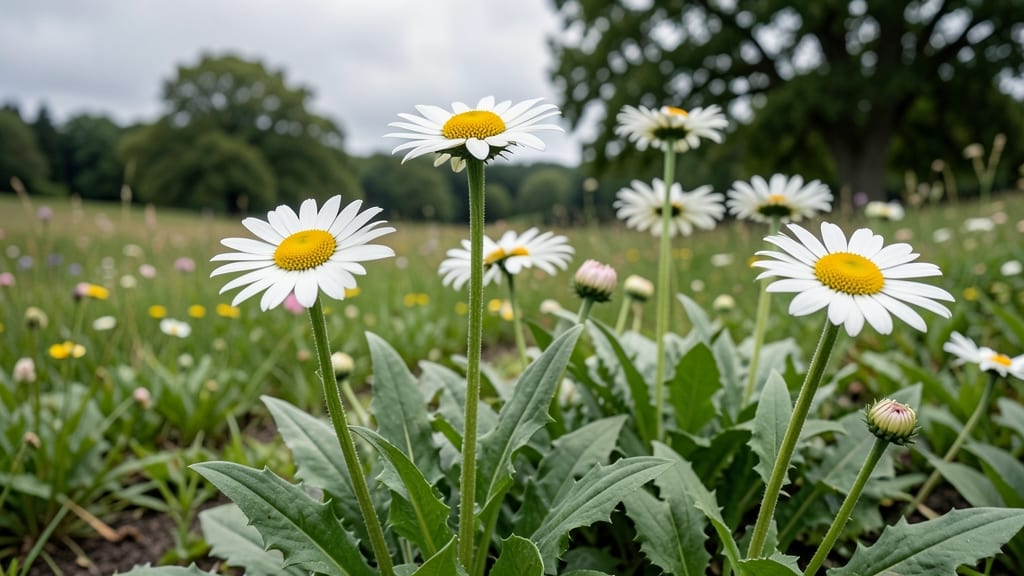
Daisies in the lawn transform dull green into a cheerful, low-maintenance meadow that thrives with almost no effort. 🌼 I’ve let them take over patches of my yard, and they’ve outcompeted weeds, survived droughts, and still bloom from spring to frost—no deadheading, no fuss.
The key isn’t forcing them to fit into a manicured lawn; it’s letting them grow wild where you want them. Start with bare-root plugs or seeds in well-drained soil, then step back. Daisies spread naturally, filling gaps between grass blades without needing extra water or fertilizer.
They handle shade better than most lawn flowers and bounce back after mowing—just keep the blades high enough to avoid scalping their roots. By summer’s end, you’ll have a lawn dotted with white, pink, or yellow blooms that attract pollinators and stay vibrant until frost.
The best part? No pruning, no thinning, just pure, effortless beauty that keeps giving year after year. Works in sun or partial shade, from small patches to entire lawns. Let’s make your yard look like a cottage garden without the upkeep!
The Hidden Triggers Behind Wildflower Spread
If your lawn is slowly transforming into a patchwork of cheerful daisies—without any effort on your part—you’re not alone. These hardy perennials thrive thanks to a mix of environmental cues and lawn care oversights.
Understanding why they pop up so readily helps you control their spread or even leverage their beauty intentionally. Here’s the science behind their persistence.
Daisies (like Bellis perennis or Leucanthemum vulgare) are opportunistic survivors. They flourish when your grass struggles, seizing gaps left by thin turf, compacted soil, or poor growing conditions. Here’s how it happens:
- Thin or Patchy Grass: Daisies germinate easily in bare spots where sunlight reaches the soil. If your lawn has thin patches from drought, foot traffic, or disease, daisies fill the void faster than grass seeds can take root.
- Compacted Soil: Heavy foot traffic, pets, or machinery compresses soil, reducing oxygen and water penetration. Grass roots suffocate, while daisies—with shallow, fibrous roots—thrive in these conditions.
- Poor Drainage: Waterlogged areas (common in clay soil) create stress for grass but leave daisies unharmed. Their resilience in soggy spots makes them a lawn takeover artist.
💡 Pro Tip: Test your soil’s compaction with a simple screwdriver test—if it won’t penetrate more than 2 inches, your lawn is at risk. Aerate in fall to restore grass dominance.
Daisies are heliophiles—they crave sunlight. Their seeds lie dormant until conditions are perfect, then germinate with alarming speed. Here’s the seasonal breakdown:
| Season | Why Daisies Take Over | Actionable Fix |
|---|---|---|
| Spring | Warm soil + melting snow expose bare soil. Daisies germinate in 5–10 days if moisture and sun align. | Pre-emergent herbicide in early spring (before soil temps hit 55°F) or overseed thick grass. |
| Summer | Drought-stressed grass dies back, leaving gaps. Daisies don’t wilt in heat like turfgrass. | Water deeply 1–2x/week to crowd out weeds. Mow high (3–4 inches) to shade soil. |
| Fall | Cool temps + moisture trigger seed germination. Mature daisies drop thousands of seeds per plant. | Hand-pull blooming daisies before they seed (wear gloves—milky sap is irritating!). |
✨ Insight: Daisies peak in late summer/fall because their seeds need winter chill to germinate the next spring. Break this cycle by removing flowers before they go to seed.
One daisy plant can produce 15,000–20,000 seeds per year, and they hitchhike on wind, water, animals, and even lawn equipment. Here’s how they colonize:
- Wind Dispersal: Light, fuzzy seeds (like dandelions) travel 10+ feet on breezes. A single plant can seed an entire yard in a season.
- Water Spread: Rain washes seeds into gutters, storm drains, and neighboring yards. Irrigation systems can spray them across lawns.
- Animal & Human Help: Birds eat seeds (then deposit them elsewhere), and mower blades catapult seeds into fresh soil.
- Self-Seeding: Some daisies (like Leucanthemum) drop seeds while still attached to the stem, ensuring new plants grow in a ring around the parent.
🔥 Quick Fix: Use a seed trap—place a shallow tray filled with soapy water under daisy plants. Seeds fall in and drown, preventing spread.
Daisies adapt to almost any soil type, but they prefer:
- Slightly acidic to neutral pH (6.0–7.0).
- Moderate fertility—too much nitrogen favors grass, but daisies thrive in low-nutrient conditions.
- Cool climates (USDA Zones 3–9).
In southern climates, daisies may struggle in extreme heat but rebound in cooler months. In northern regions, they often outcompete cool-season grasses like fescue.
📊 Soil Test Tip: If your lawn’s pH is < 5.5 (too acidic), amend with lime. Daisies hate competition from healthy grass—so fix the soil first!
Revive Your Lawn’s Wildflowers
Daisies in your lawn don’t have to be a sign of neglect—they can be a deliberate, low-maintenance choice for year-round beauty. Whether you’re dealing with unwanted spread, patchy growth, or just want to optimize their charm, these practical solutions will help you balance aesthetics and effortlessness.
Let’s tackle the most common issues and turn your lawn into a blooming, hassle-free paradise.
If your daisies are taking over and crowding out grass or other plants, it’s time to regulate their growth without resorting to harsh chemicals. #### 🔥 Mow Strategically - 👨🍳 Set your mower to a higher setting (3–4 inches) to shade out weeds and slow daisy growth naturally. - ⏰ Time your mows right: Cut daisies after they bloom (when seed heads form) to prevent reseeding. Aim for every 2–3 weeks in growing season. - 🎯 Pro tip: Use a mulching mower to chop clippings into the lawn—this returns nutrients to the soil and discourages daisy dominance. #### 🌡️ Adjust Watering Habits - 💧 Deep but infrequent watering (1–1.5 inches per week) encourages grass roots to outcompete daisies. - ✨ Avoid overwatering: Daisies thrive in moist soil, while many grasses prefer drier conditions. Let the top inch of soil dry between waterings. #### 🔪 Spot-Treat Problem Areas For stubborn patches, try: - 🌿 Hand-pulling (best in spring or fall when soil is soft). Grab the entire root to prevent regrowth. - 🧪 Vinegar spray (1 gallon water + 1 cup white vinegar + 1 tbsp dish soap) for small, isolated spots. Reapply as needed—it’s non-toxic but requires consistency. If your daisies are sparse or struggling, they might need a little encouragement to fill in beautifully. #### 🥗 Improve Soil Health - 📊 Test your soil (kits are affordable and available at garden centers). Daisies prefer well-draining, slightly acidic soil (pH 6.0–7.0). - 💪 Add compost (2–3 inches spread over the lawn, then lightly rake in) to enrich soil and support root growth. - 🍎 Top-dress with organic matter like leaf mold or aged manure in early spring to give daisies a nutrient boost. #### 🌱 Overseed or Plant More Daisies - 🌱 For bare spots: Sprinkle daisy seeds (or plugs) in early fall or spring. Press lightly into soil and keep moist until germination (7–14 days). - 🎯 Pro tip: Mix daisy seeds with a slow-release fertilizer to ensure even growth. Avoid fast-acting fertilizers, which can burn young plants. #### 🌡️ Adjust Sunlight Exposure - 🌞 Daisies love sun but can tolerate partial shade. If your lawn has shady areas, consider adding shade-tolerant grasses or ground covers to complement the daisies. - ✨ For full-sun lawns: Ensure no trees or structures are casting excessive shade, which can weaken daisy growth. Daisies are generally hardy, but pests like slugs, snails, or fungal issues can take a toll. #### 🔪 Prevent Pest Damage - 🐌 Set up beer traps (bury a shallow container filled with beer—slugs and snails will crawl in and drown). - 🌿 Use diatomaceous earth (food-grade) around daisy patches to deter crawling pests. Reapply after rain. - 🎯 Pro tip: Encourage natural predators like birds and ladybugs by planting pollinator-friendly flowers nearby. #### 🌡️ Treat Fungal Issues - 🍄 If you spot brown spots or powdery mildew: - Improve airflow by spacing plants slightly wider. - Apply a baking soda spray (1 tbsp baking soda + 1 quart water + a drop of dish soap) weekly until the issue clears. - Avoid overhead watering, which can spread fungal spores. Once your daisies are thriving, keep them looking their best with minimal effort: - ✨ Mulch lightly around daisy patches to retain moisture and suppress weeds. - 🌱 Rotate mowing patterns to prevent soil compaction and encourage even growth. - 📅 Plan for seasonal care: - Spring: Fertilize lightly and remove dead foliage. - Fall: Overseed or plant new daisies for next year’s blooms. - Winter: Leave seed heads for winter interest (or cut them back in early spring for a fresh start).With these solutions, your daisies will flourish without the pruning hassle, turning your lawn into a vibrant, low-maintenance retreat. 🌼✨
Frequently asked questions
Can daisies grow in shady lawn areas?
Daisies tolerate partial shade but bloom best in full sun (6+ hours daily). In shady spots, they’ll grow as foliage plants with fewer flowers. For shady lawns, try shade-tolerant varieties like Bellis perennis or mix daisies with creeping thyme or clover for better coverage.
How do I stop daisies from spreading everywhere?
Prevent seed spread by removing flower heads before they go to seed (wear gloves—the sap can irritate skin). Mow high (3–4 inches) to shade soil and outcompete daisies. For stubborn patches, hand-pull in spring/fall or use a vinegar spray (1:1 water ratio).
Do daisies need special soil to thrive?
Daisies adapt to most soils but prefer well-draining, slightly acidic to neutral pH (6.0–7.0). Amend heavy clay with compost or sand, and avoid overly fertile soil (too much nitrogen favors grass). A simple soil test kit helps adjust conditions for optimal growth.
Will mowing kill my daisies?
No—daisies bounce back from mowing! Set blades to 3–4 inches to protect roots and avoid scalping. Mow after blooming to prevent reseeding. For a wildflower meadow look, let some areas grow taller while keeping walkways mowed.
Are there daisy varieties that stay contained?
Yes! Gerbera daisies (like 'Double Delight') grow in clumps and rarely self-seed aggressively. Shasta daisies also stay tidy with deadheading. For lawns, choose Leucanthemum × superbum cultivars bred for controlled spread. Always check plant tags for growth habits.