
Lawn
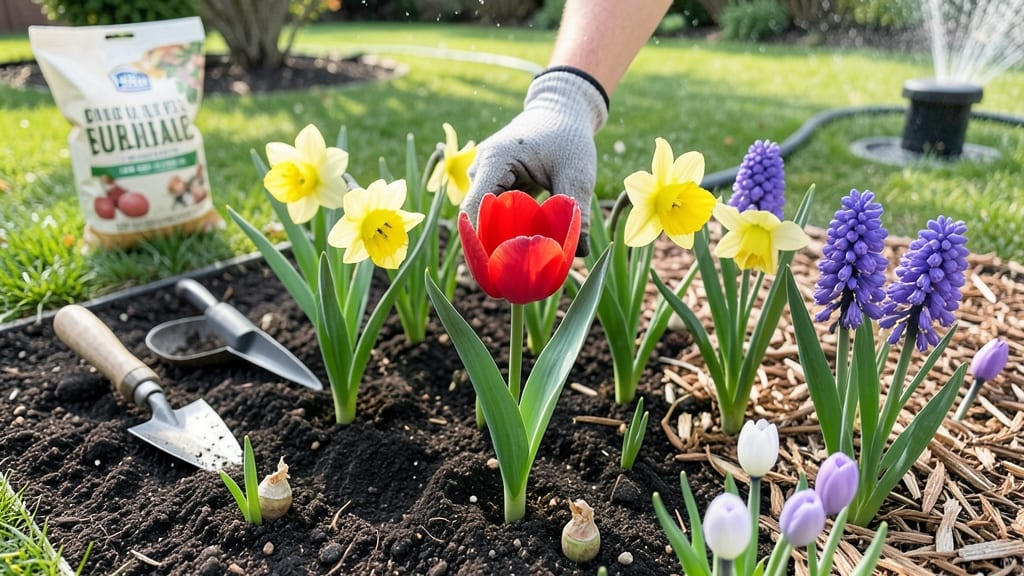
Planting bulbs in lawns transforms your yard into a springtime carpet of color without the upkeep of flower beds. ✨ I’ve turned my own patchy lawn into a blooming spectacle by choosing the right bulbs—daffodils that deter squirrels, crocuses that brave early snow, and alliums that tower like purple skyscrapers.
The secret? Planting them deep enough so they’re never disturbed by mowing or weeds.
Start with well-draining soil—just loosen the grass with a shovel or aerator, then dig holes twice as deep as the bulb’s height. Space them 6-12 inches apart (closer for tiny crocuses, wider for dramatic daffodils).
The best time? Fall planting—bulbs need cold weather to root before spring’s grand debut. No pruning, no fuss—just cut back foliage after it yellows to let the bulb recharge for next year.
By spring, you’ll wake up to vibrant blooms pushing through the grass, and the best part? No extra watering—rain and lawn moisture keep them happy. Even better, these bulbs multiply over years, so your lawn becomes a self-sustaining showstopper with zero annual work.
Just adjust your mower height in spring to avoid slicing through the stems.
Troubleshooting is simple: too many weeds? Add a light mulch of compost. Squirrels digging? Plant daffodils—their bitter taste deters pests. And if your lawn looks patchy? That’s normal—bulbs thrive where grass struggles. Perfect for lazy gardeners who still want stunning, low-maintenance beauty every year.
📚 In This Guide
- What you need
- Instructions
- Tips and common mistakes
- Wrapping up and next steps
What you need
- ● Spring-flowering bulbs: 10–20 lbs (varies by variety; daffodils, tulips, crocuses, or alliums are great choices). Opt for dormant bulbs (sold in fall).
- ● Fall-planted bulbs: 5–15 lbs (e.g., snowdrops, hyacinths, or fritillaries for early/late blooms).
- ● Garden soil or compost: 1–2 bags (to amend heavy clay or sandy soil).
- ● Bulb planter or trowel: A bulb auger (for large projects) or a sturdy hand trowel.
- ● Rake: A bow rake to level the soil before planting.
- ○ Mulch (optional but recommended): Straw, pine needles, or shredded leaves (1–2 inches) to protect bulbs in winter.
- ● Watering can or hose with a gentle spray nozzle: For post-planting hydration.
- ● Garden gloves: To keep hands clean while handling soil and bulbs.
- ● Bulb fertilizer: A low-nitrogen, high-phosphorus formula (e.g., 5-10-10) to boost blooms.
- ● Landscape fabric: To suppress weeds between bulb clusters.
- ● Decorative stones or edging: For a polished look around bulb beds.
- ● Lightweight row cover: If planting in colder climates (Zone 3–5).
- ● Bulb food (granular): Mix into soil at planting for a slow-release nutrient boost.
Step-by-step guide for planting spring-blooming bulbs in lawns
Transform your lawn into a natural carpet of color—no pruning, no fuss, just seasonal magic.
🌱 Step 1: Choose the Right Bulbs for Year-Round Interest
Select spring-blooming bulbs like daffodils, tulips, or alliums—they thrive in lawns and return reliably. Avoid summer-bloomers like dahlias, which need staking and support. I always opt for long-stemmed varieties (like 'Ice Follies' daffodils) because they push through grass effortlessly without bending over.
Check your USDA hardiness zone—most spring bulbs handle zones 3-9, but some tulips (like 'Darwin Hybrid' types) need zones 4-8. Plant in fall, 6-8 weeks before first frost, when soil temps drop to 50-60°F. This chilling period ensures strong blooms next spring.
🌿 Step 2: Prepare the Soil and Plant at Correct Depth
Use a hand trowel to loosen soil in 3-inch-deep holes, spaced 4-6 inches apart (closer for small bulbs like crocus, wider for tulips). The rule of thumb: plant depth = 2-3 times bulb width. A 6-inch-tall tulip bulb goes 12 inches deep, while a 2-inch crocus bulb needs only 4 inches.
Mix compost into the hole—this boosts drainage and encourages root growth. If your lawn drains poorly, add a sand-compost blend (50/50) to prevent rot. I always water the hole before planting to settle the soil around roots later. No fertilizer yet—bulbs store energy underground.
☀️ Step 3: Plant and Mulch for Winter Protection
Place the bulb pointy end up (the roots should face downward—no need to overthink it). Gently backfill with soil, then water deeply to eliminate air pockets. For high-traffic lawns, add a 1-inch layer of mulch (straw or shredded leaves) to protect emerging shoots from frost heave.
Label your bulbs if you mix varieties—next spring, you’ll forget which blooms are which! I use biodegradable plant markers tucked into the soil. No pruning needed after blooming: Let foliage yellow naturally (about 6-8 weeks) to feed the bulb for next year’s flowers.
🪴 Step 4: Maintain and Enjoy Zero-Effort Blooms
Once established, bulbs need no special care—just water during droughts (when rainfall drops below 1 inch per week). Mow high (3-4 inches) to avoid cutting flower stems before they bloom. I set my mower to highest setting in early spring and adjust as needed.
For longer-lasting displays, replant 1/3 of bulbs annually—this prevents overcrowding and keeps blooms vibrant. Tulips may need annual division after 3-4 years, but daffodils multiply happily on their own. No deadheading required: Let spent blooms seed naturally for volunteer plants next year.
⏰ Step 5: Plan for Next Season’s Color
After foliage dies back, top-dress with compost in fall to replenish nutrients. For fall-blooming bulbs (like crocus or colchicum), plant in late summer instead. I always sketch a simple map of my lawn, marking where each bulb type blooms—this helps rotate varieties and create seasonal layers.
By year three, your lawn will look like a living tapestry, with bulbs popping up like surprise gifts. The best part? No pruning, no fuss, just pure, effortless beauty.
Tips & tricks for perfect lawn-integrated spring blooms
Turn your lawn into a vibrant, low-maintenance garden with these game-changing strategies for bulb success.
Hardiness Zone Intelligence: While most spring bulbs thrive in zones 3-9, don't assume all are equal! Tulips like 'Darwin Hybrid' varieties need zones 4-8 for consistent blooming. I always verify my local zone using the USDA map before purchasing—it's the difference between reliable blooms and disappointment. For cooler climates, opt for hardy daffodils or alliums that tolerate down to zone 3.
Planting Depth Precision: The 2-3 times bulb width rule is your golden measurement, but here's the secret: For tulips, aim for the deeper end (3x width) to prevent squirrels from digging them up. I've lost count of tulip bulbs to hungry critters—burying them deeper makes a world of difference. For crocus, shallower is better (2x width) since they're small and need quick access to moisture.
Soil Prep Strategy: That sand-compost blend (50/50) for poor drainage is a lifesaver, but here's what nobody tells you—pre-mix it in a wheelbarrow before planting. This ensures even distribution in each hole rather than trying to mix it on the spot. I also recommend adding a handful of perlite to the mix for extra aeration, especially in clay-heavy soils.
Mulching Mastery: That 1-inch layer of mulch in high-traffic areas isn't just for protection—it's also a game-changer for soil temperature regulation. In my experience, mulched areas see blooms appear 7-10 days earlier than unmulched sections. Just avoid piling mulch against bulb stems to prevent rot, and always use biodegradable materials like straw or shredded leaves.
Pro Tips for Bulbs In Lawn
- Turn your lawn into a vibrant, low-maintenance garden with these game-changing strategies for bulb success.
- Hardiness Zone Intelligence: While most spring bulbs thrive in zones 3-9, don't assume all are equal!
- Planting Depth Precision: The 2-3 times bulb width rule is your golden measurement, but here's the secret: For tulips, aim for the deeper end (3x width) to prevent squirrels from digging them up.
Frequently asked questions
Got questions about adding bulbs to your lawn? You’re not alone! Here are some of the most common queries—and straightforward answers—to help you get started with confidence.
What’s the best time to plant bulbs in my lawn?
For spring blooms, plant bulbs like daffodils or tulips in fall (6–8 weeks before frost). Fall planting gives roots time to establish before winter. If you’re aiming for summer color (e.g., dahlias), plant in early spring after the last frost. Just avoid planting in extreme heat or cold!
Will bulbs survive if I plant them too deep?
Most bulbs need 6–8 inches of soil coverage (twice their height), but planting too deep can delay blooming. If you’re unsure, err on the side of shallower—4–6 inches is safer for smaller bulbs like crocuses. Always plant the pointy end up! Over time, soil settles, so don’t stress if it looks shallow at first.
Can I use regular lawn fertilizer on bulbs?
Nope! Bulbs thrive on low-nitrogen, high-phosphorus fertilizer (look for a 5-10-10 or 10-20-20 ratio). Over-fertilizing—especially with nitrogen—can burn bulbs or encourage leafy growth over flowers. After planting, use a bulb-specific fertilizer or a balanced spring bloomer formula. Skip fertilizing in fall.
Are there any bulbs that don’t need pruning?
Yes! Many bulbs, like daffodils, alliums, and fritillaries, are low-maintenance and don’t require pruning. Let foliage die back naturally (until it turns brown) to feed the bulb for next year. For others (e.g., tulips), you can cut back dead leaves, but it’s optional. Just avoid cutting too early—wait until 60% of leaves yellow.
Why aren’t my bulbs blooming this year?
No blooms? Check these culprits:
- Improper planting depth (too shallow or deep).
- Lack of sunlight—most bulbs need 6+ hours of sun.
- Overcrowding—dig up and divide bulbs every 3–5 years.
- Poor soil drainage—bulbs rot in soggy soil. Amend with compost or sand.
- Age—some bulbs (like tulips) decline after 3–5 years. Replace them!
What’s a good alternative to traditional bulbs for year-round color?
If you want zero-pruning, year-round interest, try:
- Perennial ground covers like creeping phlox or ajuga (stays green and blooms).
- Ornamental grasses (e.g., fountain grass) for texture and movement.
- Spring bloomers like hellebores (shade-tolerant, evergreen foliage).
- Winter aconite—tiny yellow flowers that pop up in late winter.
Wrapping up and next steps
Transforming your lawn with bulbs is a low-maintenance, high-reward way to enjoy year-round beauty—no pruning required! 🌱 From spring daffodils to winter snowdrops, the right bulbs can turn your outdoor space into a vibrant, ever-changing canvas.
Whether you’re a seasoned gardener or a beginner, these tips make it easy to get started.
Ready to take the next step? Sketch a simple plan of your lawn, pick your favorite bulbs, and start planting this fall. Your future self—and your neighbors—will thank you for the stunning, hassle-free results! 🌟