
Lawn
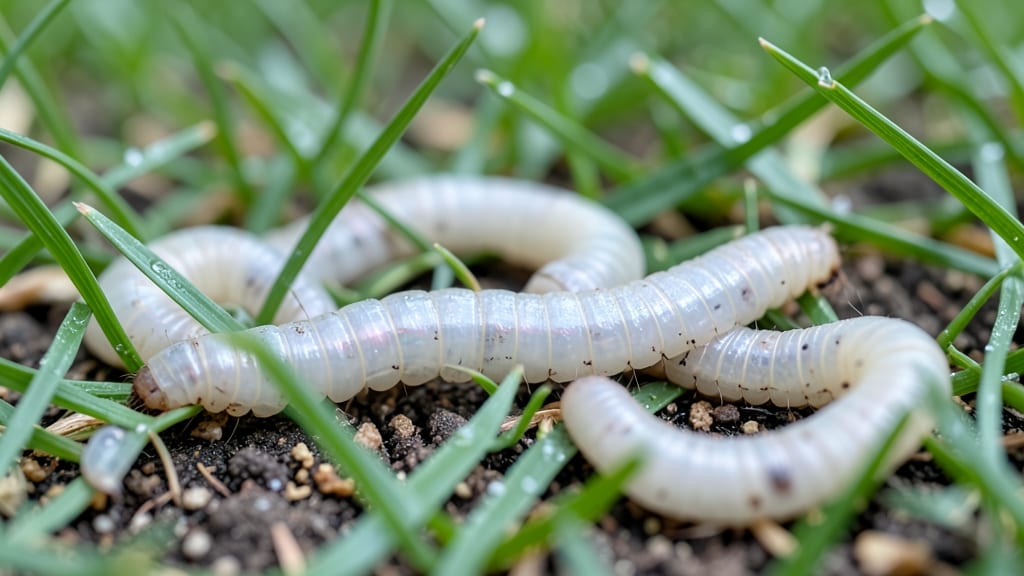
Finding white worms in your lawn isn’t always a disaster—it might mean you’ve got beneficial enchytraeid worms (aka white worms) that aerate soil and boost compost.
But if they’re actually grubs or cutworms, they could be eating your grass roots. The key is telling them apart and acting fast before damage spreads.
Most white worms are harmless, even helpful, breaking down thatch and improving soil structure. But grubs—plump, C-shaped larvae—devastate lawns by munching roots, leaving brown patches that pull up easily.
Cutworms, on the other hand, chew stems at soil level, toppling young plants overnight. The damage? Unmistakable—thin grass, wilting shoots, or sudden bare spots.
If you confirm grubs or cutworms, organic fixes like milky spore or beneficial nematodes work best for long-term control. For severe infestations, targeted pesticides (like imidacloprid) can help—but timing matters.
Treat in late summer or early fall when grubs are young and vulnerable. Prevent future problems with proper watering, aeration, and overseeding to crowd out pests.
Still unsure? Dig up a small patch of grass—if you see fat, white grubs, act now. If it’s slimy white worms, celebrate: they’re your lawn’s unsung heroes. Either way, healthy soil is your best defense against pests. Let’s get your grass back in shape!
Root Causes of White Worms
White worms—often misidentified as grubs or maggots—are actually beneficial soil-dwelling organisms, typically enchytraeids or white grubs (larvae of beetles). While they play a crucial role in breaking down organic matter and aerating soil, their sudden appearance in your lawn can be puzzling.
Here’s why they show up when they do:
White worms thrive in moist, loose soil with high organic content. If your lawn is frequently overwatered or has poor drainage, you’re creating the perfect conditions for them to multiply. Here’s why:
- Excess Moisture: Waterlogged soil lacks oxygen, forcing worms deeper into the roots where they’re more visible. Overwatering also washes away beneficial microbes, making the soil more hospitable to their larvae. - Compacted Soil: Heavy foot traffic, machinery, or clay-heavy soil compresses the ground, reducing airflow.
White worms (especially enchytraeids) burrow into these pockets, seeking relief from pressure and improving drainage. - Thatched Buildup: A thick layer of dead grass (thatch) traps moisture and blocks sunlight, creating a damp, shaded microclimate where worms flourish.
Actionable Fix: Aerate your lawn in spring or fall to relieve compaction. Use a core aerator to pull out small soil plugs, then top-dress with compost to improve structure. Reduce watering to 1–1.5 inches per week (including rain) to prevent soggy conditions.
White worms are detritivores, meaning they feast on decaying plant matter. If your lawn has:
- Leaves, grass clippings, or mulch left unpicked
- Fresh compost or manure spread too thickly
- Dead plant roots from overgrown weeds or trees
They’ll migrate toward these food sources, often surfacing near the soil line. Grubs (white larvae of beetles) specifically target grass roots, while enchytraeids prefer leaf litter and compost.
Actionable Fix:
- Rake up thatch and debris regularly to prevent buildup.
- Spread compost thinly (¼ inch max) and water lightly to avoid clumping.
- Mow high (3–4 inches) to shade out weeds and reduce thatch.
Not all white worms are harmless! Some are larvae of scarab beetles (e.g., Japanese beetles, June bugs), which:
- Lay eggs in warm, moist soil (late spring to summer).
- Hatch into grubs that chew grass roots, causing brown patches.
- Surface when disturbed (by watering, aerating, or pets digging).
Unlike beneficial worms, these grubs don’t help the soil—they damage it.
How to Tell the Difference:
| Feature | Beneficial White Worms (Enchytraeids) | Grubs (Beetle Larvae) |
|---|---|---|
| Body Shape | Thin, segmented, no legs | C-shaped, stubby legs |
| Size | ¼–½ inch long | ½–1 inch long |
| Activity | Burrow in topsoil | Feed on roots underground |
| Season | Year-round (peak in cool months) | Summer/fall (hatch in spring) |
Actionable Fix:
- For grubs: Apply milky spore (natural bacteria) or beneficial nematodes in early summer. Handpick large grubs in the evening.
- For beetles: Use row covers on gardens to block adults from laying eggs.
White worms are cold-hardy but become more active when:
- Spring rains soften compacted soil.
- Fall temperatures drop (they seek deeper, warmer layers).
- Summer droughts force them upward to find moisture.
Grubs, however, hibernate in winter and emerge in late spring/early summer when soil warms to 60–70°F.
Actionable Fix:
- Aerate in early fall to disrupt grubs’ life cycle.
- Mulch lightly in winter to retain moisture without smothering worms.
Digging, aerating, or even pet digging can expose worms that were previously hidden. If you’ve recently:
- Installed irrigation (changing soil moisture).
- Added fertilizer (stimulating microbial activity).
- Built a new garden bed (displacing existing worms).
They’ll relocate to more stable areas—sometimes right onto your patio or driveway after rain!
Actionable Fix:
- Water deeply but less frequently to encourage deep root growth (which worms follow).
- Avoid tilling—it kills beneficial worms. Use a broadfork instead to loosen soil gently.
- Relax if: You see thin, wiggly worms in moist soil after rain—they’re likely enchytraeids, helping your lawn.
- Act fast if: You spot fat, C-shaped grubs causing dead patches—treat for beetle larvae before they mature.
White worms are usually a sign of a healthy ecosystem, not a problem. The key is balancing moisture, organic matter, and soil structure to keep them working underground where they belong!
Fixing Worms in Your Lawn
Discovering white worms wriggling in your lawn might feel alarming, but these tiny creatures—often enchytraeids or white grubs—are usually harmless and even beneficial. The key is identifying the type of worm and addressing the root cause without overreacting.
Below, we break down practical, step-by-step solutions tailored to the most common culprits, from organic fixes to preventive measures.
Before acting, confirm what you’re dealing with:
- Enchytraeids (potworms): Tiny, thread-like, and thriving in moist, organic soil.
- White grubs (larvae of beetles): C-shaped, fatter, and often found near roots.
- Earthworms (misidentified): If they’re thick, segmented, and leave castings, they’re likely harmless earthworms.
Pro Tip: 💡 Use a magnifying glass or take a photo for comparison—this saves time and avoids unnecessary treatments.
Enchytraeids flourish in overly wet, nitrogen-rich soil and can become pests if their population explodes. Here’s how to restore balance:
1. Improve Drainage 🌧️→💨 Poor drainage is their favorite breeding ground.
Try these fixes: - Aerate your lawn in spring or fall using a core aerator (rent one or hire a pro). - Add sand or compost to heavy clay soil to improve porosity. - Install a French drain if water pools persistently in low spots.
2. Adjust Soil pH 🌡️
Enchytraeids love acidic soil (pH < 6.0). Test your soil and amend if needed:
- Lime application (for acidic soil): Sprinkle dolomitic lime in early spring or fall, following package rates.
- Wood ash (for quick pH boost): Mix 1 cup per 10 sq ft into the top 2 inches of soil.
3. Reduce Organic Matter Overload 🍂
Too much compost, mulch, or manure? Scale back:
- Rake away thick layers of leaves, grass clippings, or compost piles.
- Use slower-release fertilizers (like composted cow manure) instead of fresh organic matter.
4. Encourage Natural Predators 🐛🦋
Birds, toads, and ground beetles eat enchytraeids. Support them with:
- Bird-friendly plants (e.g., sunflowers, berry bushes).
- A small water feature to attract amphibians.
- Avoid pesticides that harm beneficial insects.
If your lawn has thin patches, chewed grass, or moles digging, white grubs are likely the culprits. Act fast with these targeted solutions:
1. Manual Removal (For Small Lawns) 🔪
- Water the lawn in the evening to bring grubs to the surface.
- Handpick them with gloves and dispose of them in soapy water.
- Repeat weekly for 2–3 weeks during peak grub activity (late summer/early fall).
2.
Beneficial Nematodes 🦠 These microscopic worms (Heterorhabditis bacteriophora) infect and kill grubs naturally. - When to apply: Early evening in spring or fall (avoid heat/direct sun). - How to apply: Mix with water (as directed) and water onto the lawn with a hose-end sprayer. - Reapply every 4–6 weeks during grub season.
3. Milky Spore (Long-Term Defense) 🌱
A bacteria-based biological control that targets Japanese beetle grubs (common in lawns).
- Apply milky spore powder in early fall or spring, watering it into the soil.
- Results take 1–2 years but provide decades of protection once established.
4. Chemical-Free Grub Control 🥗
For organic lawns, try:
- Neem oil spray (disrupts feeding and growth—apply in early evening).
- Diatomaceous earth (food-grade only; sprinkle lightly and water in).
Stop worms from moving in with these proactive steps:
| Problem | Solution | When to Do It |
|---|---|---|
| Overwatering | Water deeply 2–3x/week (early morning). | Spring–Fall |
| Thatch buildup | Dethatch in late spring/early summer. | Every 2–3 years |
| Weak grass | Overseed with grub-resistant grass (e.g., tall fescue). | Fall |
| Compost piles too close | Move piles 10+ feet from lawn edges. | Year-round |
If your lawn has:
- Large grub populations (dig up a 1 sq ft patch—more than 5–10 grubs = treat).
- Persistent damage despite DIY efforts.
- Unknown pests (e.g., wireworms or cutworms).
A local lawn care expert can diagnose the issue and recommend integrated pest management (IPM) strategies tailored to your region.
Final Thought: 🌱 Most "white worm" issues are manageable with patience and soil care. Focus on drainage, balance, and natural predators—your lawn (and the worms) will thank you!
Frequently asked questions
Are white worms in my lawn always harmful?
Not at all! Many white worms—like enchytraeids—are actually beneficial. They aerate soil and break down organic matter, improving lawn health. Only grubs (C-shaped larvae) or cutworms cause damage by eating grass roots or stems. Dig up a sample to check their shape and size.
How do I tell if white worms are grubs or harmless?
Grubs are plump, C-shaped with stubby legs, while beneficial worms are thin, thread-like with no legs. Check their size too: grubs are usually ½–1 inch long, while enchytraeids rarely exceed ¼ inch. Look for damage—grubs leave brown patches that pull up easily.
What’s the best time to treat grub infestations?
Treat in late summer or early fall when grubs are young and vulnerable. Apply beneficial nematodes or milky spore in the evening for best results. Avoid treatments in winter—they won’t be active, and you’ll waste money.
Will over-the-counter pesticides kill all white worms?
No, most pesticides target grubs and beetles, not beneficial worms. Some may even harm soil microbes. For organic lawns, use neem oil or diatomaceous earth instead. Always spot-treat damaged areas to preserve beneficial insects.
How can I prevent white worms from surfacing after rain?
Improve drainage by aerating your lawn and reducing overwatering. Water deeply 2–3 times per week (early morning) and avoid compacting soil with heavy foot traffic. Mulch lightly to retain moisture without smothering beneficial worms.