
Lawn
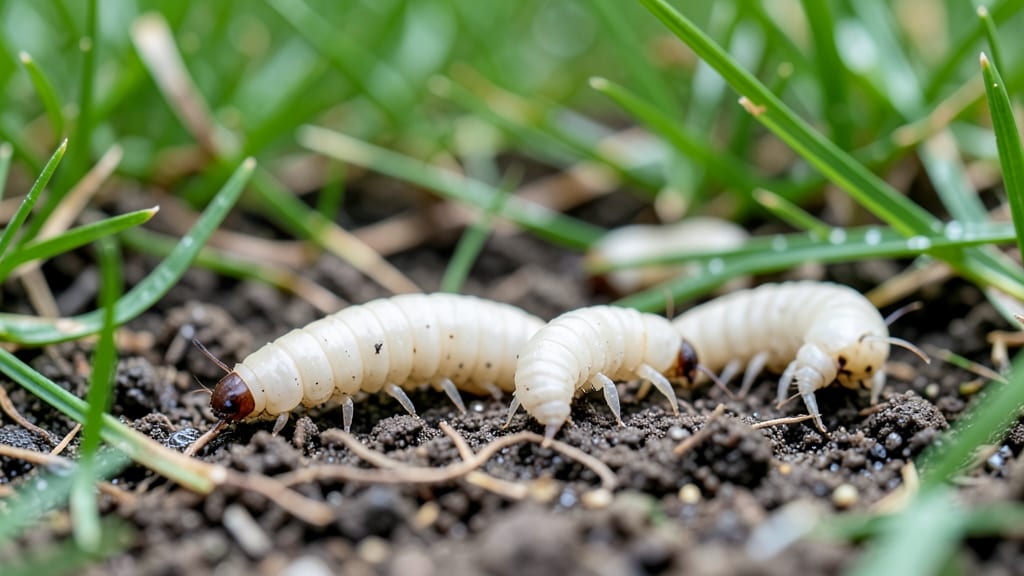
White grubs in your lawn aren’t just a nuisance—they’re silent destroyers that turn lush grass into patchy brown carpet in weeks. 🌱 I’ve watched my yard go from vibrant green to chewed-up mess overnight, and the key to stopping them? Acting fast with the right traps and organic methods.
The good news? You can reverse the damage in just 72 hours without harsh chemicals. The first sign? Grass that pulls up easily like sodas from a vending machine. Dig a small patch—if you see fat, white grubs munching on roots, you’ve got a full-blown infestation.
These pests thrive in moist soil, so summer watering habits (or lack of) often make things worse. The lifecycle is sneaky: eggs hatch in late spring, larvae feast all summer, and pupate by fall—so timing matters.
Here’s the game-changer: milky spore powder or beneficial nematodes (tiny microscopic predators) that kill grubs without harming your lawn or pets. Spread milky spore in early fall, and nematodes work best when soil temps hit 65°F. I’ve seen lawns recover completely in 3-4 weeks with consistent treatment.
Prevention is easier than cleanup: aerate annually, overseed thin patches, and avoid overwatering. The grubs will keep coming back if you don’t break their cycle. Let’s get your lawn back to thick, resilient green—for good.
The Hidden Triggers Behind Grubs
White grubs don’t just appear out of nowhere—they’re the result of a perfect storm of environmental conditions and human habits. Understanding these triggers is the first step to preventing an infestation before it takes hold. Here’s why your lawn becomes a buffet for these hungry larvae.
Grubs thrive in moist, soft soil—think of it as their ideal nursery. When lawns receive excessive irrigation (especially in hot climates) or have compromised drainage, the ground stays damp longer, creating a haven for grub eggs to hatch and larvae to feed.
- Why it happens: Grubs, particularly Japanese beetle larvae, prefer loamy, well-aerated soil with consistent moisture.
Overwatering doesn’t just keep the soil wet—it weakens grass roots, making them easier targets for feeding grubs. - Actionable insight: Test your soil’s drainage by digging a 6-inch hole and filling it with water.
If it drains in less than 4 hours, your lawn may be too dry; if it takes longer than 6 hours, you likely have poor drainage. Adjust watering to deep, infrequent sessions (1–1.5 inches per week) to encourage deeper root growth and deter grubs.
A lawn rich in decaying organic material—like thick thatch layers, fallen leaves, or compost—provides food and shelter for grub eggs and larvae. Earthworms and other decomposers may seem harmless, but they accidentally aerate the soil, making it easier for grubs to burrow and multiply.
- Why it happens: Grubs feed on grass roots, but they also consume organic debris.
If your lawn has a thatch layer thicker than ½ inch, it traps moisture and nutrients, signaling grubs that it’s a prime breeding ground. - Actionable insight: Dethatch your lawn annually in early spring using a rake or vertical mower.
Avoid over-fertilizing with high-nitrogen organic amendments (like fresh grass clippings or manure), which can attract grubs indirectly by boosting root growth—grub food!
Grubs are the larval stage of beetles like Japanese beetles, June bugs, and chafers. If adult beetles are present in your area (often spotted on roses, grapes, or trees in late summer), they’ll lay eggs in your lawn, leading to a grub outbreak in 4–6 weeks.
- Why it happens: Female beetles dig shallow trenches in soil to deposit eggs (up to 60 per beetle!). Warm, well-watered lawns trigger egg-laying behavior, ensuring the next generation has a head start. - Actionable insight: Monitor adult beetle activity in June–July.
If you see them on plants, set out pheromone traps (though be cautious—traps can sometimes attract more beetles to your yard). For organic control, handpick beetles at dusk or use neem oil sprays to deter egg-laying.
Grubs hatch and grow fastest in temperatures between 60–90°F (15–32°C). Regions with long, hot summers and high humidity create ideal conditions for grub development, often leading to two generations per year in southern states.
- Why it happens: Grubs metabolize faster in warmth, meaning they feed aggressively and pupate quicker.
In cooler climates, they may only produce one generation annually, giving you more time to intervene. - Actionable insight: If you live in a grub-prone zone (e.g., Midwest, Southeast, or Pacific Northwest), apply preventive treatments in early spring (April–May) and late summer (August–September) to target egg-laying periods.
Healthy grass resists grub damage better than stressed turf. When lawns are thin, diseased, or recovering from drought, grubs detect the weakened roots and go into feeding frenzy mode.
- Why it happens: Grubs prefer young, tender roots over mature ones.
If your grass is lifted by foot traffic, compacted soil, or fungal infections, it’s an open invitation for grubs to dine. - Actionable insight: Strengthen your lawn with: - Core aeration (to relieve compaction). - Proper mowing (never cut more than ⅓ of the blade at once). - Balanced fertilization (avoid heavy nitrogen in grub-active months).
In a balanced ecosystem, birds, toads, skunks, and beneficial nematodes keep grub populations in check. But if these predators are absent (due to pesticide use, habitat loss, or urbanization), grubs reproduce unchecked.
- Why it happens: Broad-spectrum pesticides (like synthetic pyrethroids) kill predator insects first, leaving grubs to thrive.
Even over-fertilizing can disrupt the food chain by creating monoculture lawns with no biodiversity. - Actionable insight: Encourage natural predators by: - Planting native flowers to attract ladybugs and ground beetles. - Avoiding harsh chemicals and opting for beneficial nematodes (Heterorhabditis bacteriophora) for organic control. - Leaving leaf litter in garden edges to provide shelter for toads and frogs.
Quick Fixes for Lawn Grub Damage
Discovering white grubs munching away at your lawn’s roots can feel like a nightmare, but the good news is that you can tackle this problem effectively—whether you prefer organic methods or targeted treatments.
Below, we break down the best solutions based on the root cause of your infestation, from quick fixes to long-term prevention. Let’s get your lawn back to lush in no time!
Before diving into treatments, confirm you’re dealing with white grubs (not other pests like chinch bugs or sod webworms). Here’s how:
- Dig a small patch of lawn (about 2–3 inches deep) and look for C-shaped larvae.
- Check for damage: If grass pulls up easily or has brown patches that feel spongy, grubs are likely the culprit.
- Time it right: Grubs are most active in late summer to early fall—act fast before they cause irreversible damage!
If you’re leaning toward eco-friendly solutions, these methods work well for small to moderate infestations:
🌱 Milky Spore Treatment
- How it works: This natural bacteria (Bacillus popilliae) targets Japanese beetle grubs (a common culprit) and spreads through your soil.
- How to apply:
- Purchase milky spore powder from garden centers.
- Mix with water and spread evenly over affected areas using a spreader.
- Water lightly afterward to help it penetrate the soil.
- Best for: Preventing future grubs (takes 1–2 years to fully establish).
- Pro tip: 💡 Apply in early fall when grubs are most vulnerable.
🍲 Nematodes (Beneficial Worms)
- How it works: Microscopic nematodes (Heterorhabditis bacteriophora) infect and kill grubs naturally.
- How to apply:
- Buy nematodes online or at garden stores (look for "grub-specific" strains).
- Apply in the evening (they die in sunlight) with a hose-end sprayer.
- Water the lawn lightly before and after treatment.
- Best for: Active infestations—works within 48–72 hours.
- Pro tip: 🌡️ Keep soil moist for 3–5 days post-application to maximize effectiveness.
🌿 Neem Oil Spray
- How it works: Disrupts grubs’ feeding and growth cycles (also deters adult beetles).
- How to apply:
- Mix neem oil with water and a drop of dish soap (as a surfactant).
- Spray directly on grass and soil in the evening.
- Reapply every 7–10 days for severe infestations.
- Best for: Early-stage grubs or as a preventive measure.
- Pro tip: ✨ Avoid applying neem on extremely hot days—it can harm beneficial insects.
For large-scale damage, chemical treatments offer faster results. Always follow label instructions and wear protective gear:
🔪 Imidacloprid or Chlorantraniliprole Granules
- How it works: Systemic insecticides that grubs ingest when they feed on treated grass roots.
- How to apply:
- Spread granules evenly using a spreader.
- Water the lawn lightly to activate the treatment.
- Reapply every 3–6 months for prevention.
- Best for: Severe infestations or high-risk areas (e.g., golf courses, large lawns).
- Safety note: 🚫 Keep pets and kids off the lawn for 24–48 hours post-application.
💊 Carbaryl (Sevin) Dust or Liquid
- How it works: Contact insecticide that kills grubs on sight.
- How to apply:
- For dust: Sprinkle lightly over affected areas and water in.
- For liquid: Spray directly on soil (avoid overspray on plants).
- Best for: Quick knockdown of visible grubs.
- Pro tip: ⏰ Apply in the early evening for best results—grubs are near the surface then.
Stop grubs from returning with these proactive strategies:
🎯 Maintain a Healthy Lawn
- Mow high: Keep grass at 3–4 inches to shade soil and deter beetles.
- Aerate annually: Improves soil health and reduces grub-friendly compacted areas.
- Water deeply but less often: Encourages deep root growth, making grass less vulnerable.
🐞 Disrupt the Life Cycle
- Remove thatch: Thick thatch provides hiding spots for grubs—rake or dethatch in spring.
- Attract predators: Birds (like robins and skunks) love grubs! Install birdhouses or leave leaf litter in corners of your yard.
- Use grub-resistant grass: Kentucky bluegrass and tall fescue are less appealing to Japanese beetles.
📅 Seasonal Timing
- Spring: Apply milky spore or nematodes as a preventive.
- Fall: Treat with imidacloprid granules or carbaryl for late-season grubs.
- Summer: Monitor for adult beetles and handpick them if possible!
With the right approach, your lawn can bounce back from white grub damage in just 72 hours—or better yet, avoid future infestations entirely. Start with organic methods for a safe, sustainable fix, and don’t hesitate to reach for targeted treatments if grubs have taken over.
Your green carpet will thank you!
Frequently asked questions
How can I tell if my lawn has white grubs instead of another pest?
Look for C-shaped larvae when you dig up a small patch of grass. If the grass pulls up easily like sod and you see brown, patchy areas that feel spongy, grubs are likely the culprit. Also check for adult beetles (like Japanese beetles) on nearby plants—they lay eggs that turn into grubs.
Are nematodes safe for pets and kids?
Yes! Beneficial nematodes (Heterorhabditis bacteriophora) are completely safe for pets and children once applied. They only target grubs and won’t harm people or animals. Just avoid applying them when kids or pets are on the lawn, and water lightly after treatment to help them move into the soil.
Can I use milky spore powder if I don’t know what type of grubs I have?
Milky spore works best against Japanese beetle grubs, which are the most common lawn pests. If you’re unsure, it’s still worth trying—it’s organic and safe. For other grub types (like June bugs), combine it with nematodes or neem oil for broader coverage. Test a small area first to monitor effectiveness.
Will overwatering make grub problems worse?
Grubs thrive in moist soil, so overwatering creates the perfect breeding ground. Water deeply but less frequently (1–1.5 inches per week) to encourage deep root growth. Avoid evening watering, which keeps soil damp overnight—grubs love that. Let the top inch of soil dry between waterings.
How long does it take to see results after treating grubs?
Nematodes work fastest—you may see a difference in just 48–72 hours. Milky spore takes longer (1–2 years to fully establish), but it provides long-term prevention. Chemical treatments like imidacloprid show results in 1–2 weeks. Monitor your lawn closely and reapply if needed, especially during peak grub seasons (late summer/fall).