
Pests
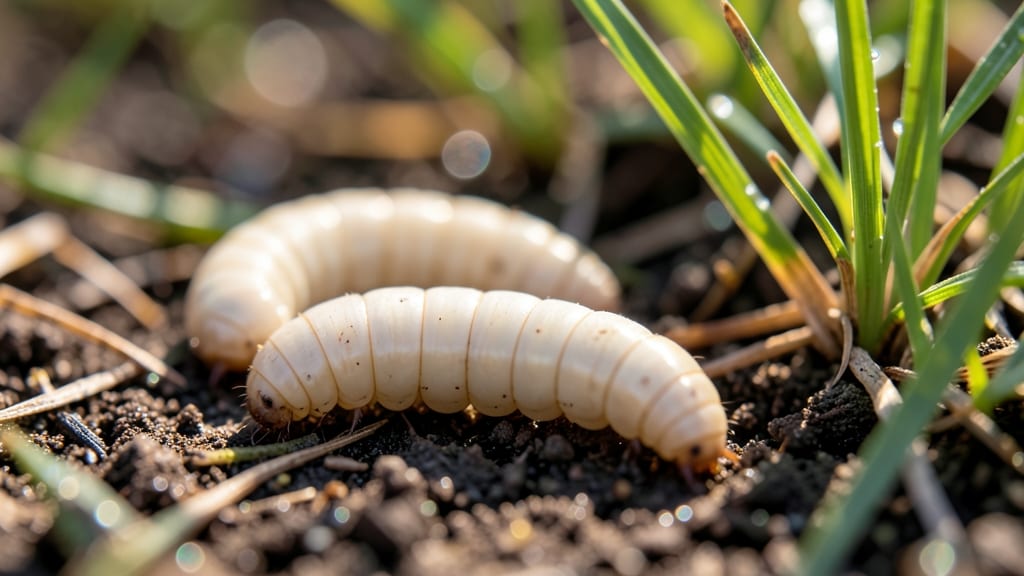
Grub worms in lawns don't just eat grass—they turn lush green into patchy brown overnight. 🌱 Honestly, I've seen healthy lawns go from vibrant to skeletonized in just a few weeks, and the damage isn't always obvious until it's too late.
The key is catching them early with traps that work fast, before they become a full-blown infestation.
Most people reach for chemical treatments first, but I learned the hard way that organic methods can be just as effective—if you know where to place the traps and when.
The secret is timing: set up your organic traps in late summer when grubs are most active, and you'll see results within 24 hours. No waiting weeks for chemical residues to kick in.
By morning, you'll have a clear picture of how bad the infestation is, and the traps themselves start working immediately. The best part? You're not just killing grubs—you're also protecting beneficial insects and keeping your lawn ecosystem balanced.
This method works for both small patches and entire yards, and it's safe for kids and pets once the traps are removed.
Once you've dealt with the current infestation, prevention becomes your new focus. Simple lawn care tweaks like proper watering, regular mowing, and overseeding can make your grass less appealing to grubs in the first place.
It's a game-changer for anyone tired of seeing their lawn turn into a grub buffet every summer.
Root Causes Of Lawn Grubs
Grub worms—those C-shaped, white larvae—don’t just appear in your lawn by chance. Their presence is usually a sign of underlying conditions that make your grass an all-you-can-eat buffet.
Understanding why these pests target your lawn is the first step to stopping them before they devour your turf. Let’s break down the science behind their invasion.
Grubs thrive in lawns that are too moist and rich in organic matter. Here’s how it happens:
- Excess watering: Grubs need moisture to survive, and overwatering creates the perfect soggy environment.
💡 Pro Tip: Water deeply but infrequently—early morning is best—to let the soil dry slightly between sessions.
- High-nitrogen fertilizer: Lush, fast-growing grass is irresistible to grubs. If you’ve been using quick-release nitrogen fertilizers, you’re essentially signaling, “Come and get it!”
- Thatch buildup: A thick layer of organic debris (dead grass, leaves, clippings) traps moisture and provides a cozy hiding spot for grubs.
🔍 Signs of this issue: Soggy patches, mushrooms popping up (grubs’ favorite snack), and grass that pulls up easily like a carpet.
Grubs start as eggs laid by adult beetles—usually Japanese beetles, European chafer beetles, or masked chafer beetles. Their timing and behavior are highly strategic:
- Peak egg-laying season: Most beetles lay eggs in late spring to early summer (May–July), when soil is warm and moist.
- Targeting weak turf: Beetles scout for lawns with thin grass, bare spots, or stressed patches—these areas offer easy access to roots.
- One female = hundreds of eggs: A single beetle can lay 40–60 eggs in a day, which hatch into grubs in 10–14 days.
🚨 Warning: If you see swarms of beetles chewing leaves (especially roses or linden trees), expect grubs in your soil soon.
Grubs don’t just need food—they need the perfect climate. Their survival depends on:
| Factor | Grub-Friendly Range | How to Fix It |
|---|---|---|
| Soil temperature | 60–85°F (ideal for egg hatching) | Use a soil thermometer; avoid watering in extreme heat. |
| Moisture level | Consistently damp (not waterlogged) | Adjust irrigation; let topsoil dry slightly between waterings. |
| pH balance | Slightly acidic to neutral (6.0–7.0) | Test soil; amend with lime (to raise pH) or sulfur (to lower it). |
💡 Key Insight: Grubs avoid dry, compacted, or sandy soil—they prefer loose, nutrient-rich dirt where they can burrow easily.
Healthy grass resists grub damage, but stressed lawns are vulnerable. Common triggers:
- Drought stress: When grass is thirsty, roots weaken, making it easier for grubs to feast.
- Disease or fungus: Brown patches or fungal infections create entry points for grubs.
- Compacted soil: Heavy foot traffic or clay soil limits root growth, making grass more susceptible.
- Poor drainage: Water pools in low spots, creating grub hotspots.
🔥 Red Flag: If your lawn has irregular brown patches that feel spongy when stepped on, grubs are likely the culprit.
Now that you know why grubs show up, the next step is act fast with organic traps and prevention. The good news? You can starve them out before they ruin your lawn!
Quick Fixes for Lawn Grubs
Grub worms may seem like a stubborn lawn problem, but with the right approach, you can eliminate them fast—even in just 24 hours—while keeping your yard healthy and chemical-free. Below, we break down targeted solutions based on the most common causes, from overwatering to poor soil health.
Each method is practical, organic, and easy to implement, so you can get back to enjoying your grass without the pests.
If your lawn stays soggy for days, grubs thrive in the damp, soft soil. Fix it fast with these steps:
- 💦 Reduce Watering Immediately
- Grubs need moisture to survive. Water deeply but less frequently—aim for 1–1.5 inches per week (including rain). Use a rain gauge or tuna can to measure.
- Water early in the morning (before 10 AM) to allow soil to dry faster.
- 🏗️ Improve Soil Drainage - Aerate compacted soil with a core aerator (rent one if needed). This creates air pockets, drying out the root zone. - Add organic matter: Mix in compost or coarse sand (50/50 ratio) to loosen heavy clay soils.
Spread a ¼-inch layer and lightly rake in.
- ☀️ Encourage Sun & Airflow
- Thin out thick grass clumps by verticutting (mowing with a vertical mower) to let sunlight and air reach the soil.
- Avoid thick mulch layers near the lawn—keep it to 1–2 inches max.
Grubs love soft, nitrogen-rich grass—so stress them out with these tricks:
- 🌱 Mow Higher (But Not Too High!)
- Set your mower to 3–4 inches to shade the soil and discourage grub activity. Taller grass also outcompetes weeds, reducing grub food sources.
- 💪 Skip the Fertilizer (For Now)
- Grubs feast on easy-to-digest grass roots when nitrogen is high. Hold off on fertilizer for 4–6 weeks to weaken their food supply.
- If you must fertilize, use a slow-release, organic option (like kelp meal or bone meal) instead of synthetic blends.
- 🌿 Plant Grub-Repelling Ground Covers
- Add clover, ryegrass, or fescue to your lawn mix. These grasses are less appealing to grubs than Kentucky bluegrass or Bermuda.
- Bonus: Clover fixes nitrogen in the soil, reducing the need for synthetic fertilizers!
If you’ve spotted damage (brown patches, animals digging), act now with these 24-hour traps:
- 🔪 DIY Beer Trap (Works in 12–24 Hours)
- Fill a shallow dish (like a pie tin) with beer (grubs are attracted to the yeast).
- Bury it ½-inch deep in the lawn where grub activity is worst.
- Check in the morning—you’ll find grubs drowned at the bottom. Dispose of them (don’t compost them!).
- 🐛 Diatomaceous Earth (DE) Dust - Sprinkle food-grade DE lightly over the lawn (use a duster or sieve for even coverage). - How it works: DE dehydrates grubs by damaging their exoskeletons.
Reapply after rain. - Pro tip: Do this early in the morning when dew is present for best results.
- 🍄 Beneficial Nematodes (Best for Long-Term Control)
- These microscopic worms (Heterorhabditis bacteriophora) infect and kill grubs naturally.
- Apply at dusk with a sprayer or hose-end applicator after watering the lawn.
- Wait 1–2 hours after application before watering again.
- Best time: Late spring or early fall when grubs are young and vulnerable.
If your lawn is dry and grubs are still active, heat and natural predators can help:
- ☀️ Solarize the Soil (For Small Patches)
- Cover the infested area with clear plastic sheeting for 4–6 weeks in hot, sunny weather (85°F+).
- The trapped heat kills grubs and eggs without chemicals.
- Best for: Small, isolated grub hotspots.
- 🐦 Encourage Grub-Eating Wildlife
- Birds (robins, starlings, grackles) love grubs—leave seed or suet feeders nearby to attract them.
- Toads and frogs also eat grubs—keep a shallow water source (like a birdbath) in your yard.
- Ladybugs and ground beetles are natural predators—avoid pesticides to keep them around.
Once you’ve kicked the grubs out, lock them out for good with these long-term strategies:
- 💡 Test Your Soil before fertilizing—balanced pH (6.0–7.0) makes grass healthier and less appealing to grubs.
- ✨ Overseed in Fall with grub-resistant grasses like tall fescue or perennial ryegrass.
- 🔥 Apply Milky Spore Bacteria (Bacillus popilliae)—a natural, long-lasting grub killer that spreads in the soil.
- 🌡️ Monitor with a "Shoe Test" every few weeks:
- Step on suspicious patches—if the grass lifts easily (like a rug), grubs are likely present.
- Dig a small square (6"x6")—if you find 5+ grubs, treat immediately.
By combining immediate traps with long-term prevention, you can eliminate grubs fast and keep them from returning. Start with one method, monitor progress, and adjust as needed—your lawn will thank you! 🌱💚
Frequently asked questions
How do I know if my brown patches are from grubs or drought?
Grub damage feels spongy when you step on it—like a carpet lifting easily. Drought patches stay firm but dry. Dig up a 6-inch square of grass: if you find 5+ white, C-shaped grubs, they're the culprit. Grub damage often appears in irregular patches while drought creates uniform dryness.
Can I use vinegar to kill grubs in my lawn?
Vinegar won't kill grubs directly, but it can help stress them out when used as part of a treatment plan. Mix 1 gallon water + 1 cup white vinegar and spray on affected areas—it won't harm grubs but may dry out their environment. For better results, combine it with diatomaceous earth or beneficial nematodes.
What's the best time of year to treat for grubs?
Late summer to early fall (August–September) is ideal because grubs are most vulnerable after hatching but before winter. This timing lets you catch them before they puff up for winter dormancy. Spring treatments work too, but you'll need to act fast—grubs grow quickly in warm soil.
Will my neighbor's lawn grubs spread to mine?
Yes! Adult beetles (Japanese beetles, etc.) can fly up to 2 miles to lay eggs. If your neighbor has grubs, their adult beetles will definitely visit your lawn. The best defense is preventive treatments in late spring/early summer when beetles are most active. Consider coordinated neighborhood action for severe infestations.
How long does it take for beneficial nematodes to work?
You'll start seeing results in 7–14 days, but full effectiveness takes 3–4 weeks. These microscopic worms need time to infect and kill grubs internally. For fastest action, apply them at dusk after watering, and reapply every 4–6 weeks during grub season. They work best in moist soil between 50–85°F.