
Lawn
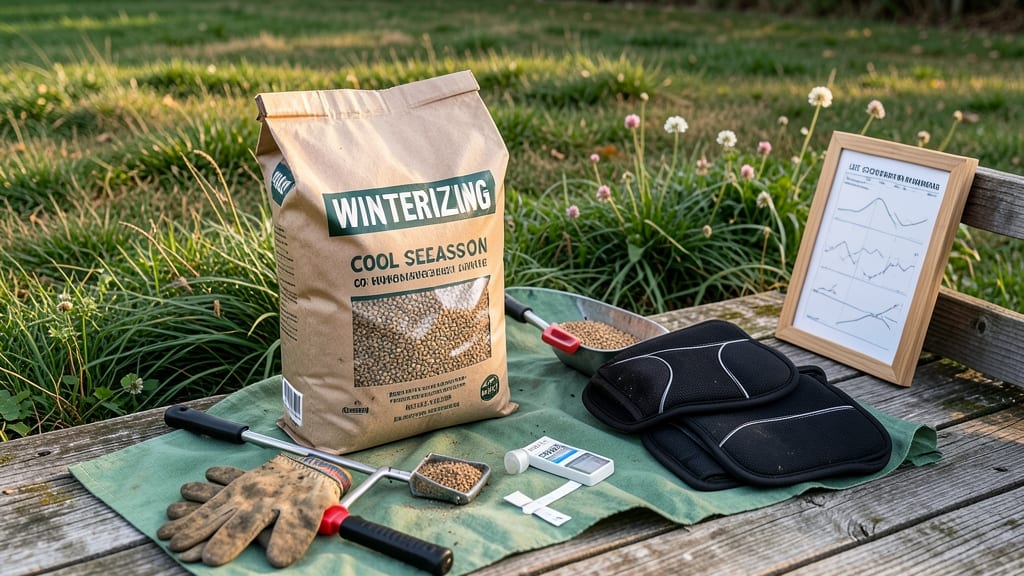
To winter fertilize lawns, aim for late fall through early spring when soil temperatures stay between 50–60°F—typically November through February in most climates. This schedule strengthens roots while avoiding premature top growth in warmer areas.
Timing matters because cooler soil temperatures help nutrients penetrate deeper without promoting excessive leaf growth. 🌱 In colder regions (USDA Zones 3–5), fertilizing in November gives grass roots a head start before winter dormancy, while Southern zones (6–9) should wait until January to avoid encouraging early spring growth.
I always check soil temps with a thermometer—consistency is key to avoiding over- or under-fertilization.
For best results, use a slow-release fertilizer (like 24-0-6) and pair it with aeration if your lawn is compacted. Water lightly after application to help nutrients absorb, but avoid heavy watering that could wash fertilizer away. This approach ensures your grass stays lush without wasting resources.
💡 In This Article
- Optimal Soil Temperature and Climate Zones for Winter Fertilizing
- Step-by-Step Winter Fertilizer Application Guide by Region
Optimal soil temperature and climate zones for winter fertilizing
The 50–60°F soil temperature range is critical because it creates ideal conditions for nutrient absorption while minimizing waste. When soil stays above freezing but below 60°F, grass roots remain active enough to uptake nitrogen and phosphorus without encouraging rapid top growth that weakens in cold snaps.
Think of it like a slow-cooker for your lawn—nutrients simmer into the soil over weeks, feeding roots gradually. 🌱
USDA climate zones dictate precise timing. In Northern regions (Zones 3–5), where winters are harsh, fertilize in November to give grass a 6–8 week window before dormancy. Southern zones (6–9) should wait until January to avoid stimulating growth too early.
The difference? Northern lawns need early feeding to survive winter, while Southern grasses stay active longer. Frost cycles further refine timing—never fertilize when frost is forecasted within 48 hours, as moisture can lock nutrients out of reach.
Soil moisture plays a hidden role too. Dry soil below 60°F can make nutrients inactive, while overly wet soil washes them away. That’s why late fall (after first frost but before heavy rains) is prime time in most areas.
I’ve seen lawns in Zone 7 thrive with November applications, while Zone 9 lawns yellowed when fertilized in October—timing is everything. 💫
For organic options, compost or manure-based fertilizers break down slower, extending nutrient release. Synthetic slow-release formulas (like polymer-coated urea) dissolve at 50–60°F rates, matching root activity perfectly. The key is matching fertilizer type to your climate’s freeze-thaw cycles.
In Zone 4, for example, granular fertilizers may need 2 applications—one in November and another in March—to account for early spring thaws.
Don’t overlook soil pH either. Acidic soils (pH 5.5–6.5) absorb nutrients better in cooler months, while alkaline soils (> 7.0) may need a gypsum amendment before fertilizing. Test your soil in late fall to adjust pH—this small step can double nutrient efficiency. 🔥
Pro tip: Use a soil thermometer to monitor temps at 4-inch depth (where most roots grow). If temps fluctuate above 60°F during the day, wait—grass won’t absorb nutrients effectively until evening temps stabilize. Patience here prevents wasted fertilizer and overgrowth.