
Lawn
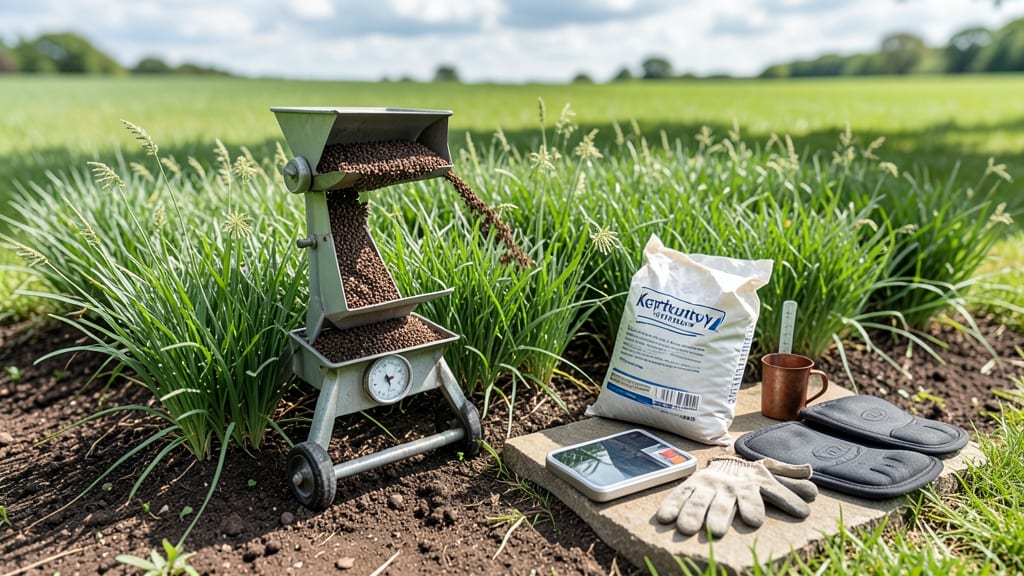
To fertilize lawns effectively, time it by grass type and climate: cool-season grasses like fescue need fall fertilization (late August to October), while warm-season grasses such as Bermuda peak in late spring to early summer (April to June). Split applications work best for drought-prone or high-traffic areas.
Timing your lawn fertilization isn't just about picking a season—it's about matching your grass type to its natural growth cycle. Cool-season grasses like Kentucky bluegrass and ryegrass go dormant in summer but wake up in fall, making late summer to early fall the perfect window for feeding them before winter.
Warm-season grasses like zoysia and St. Augustine, on the other hand, thrive when temperatures rise, so late spring to early summer gives them the nutrients they need for peak growth. 🌱 I've seen lawns transform when fertilized at these optimal times, especially after overseeding or during recovery from drought.
Your local climate plays a huge role too. In northern regions, a light spring application can kickstart growth before the main fall feeding. Southern climates often benefit from a split summer schedule to avoid stressing grass during heatwaves.
Always check your fertilizer's instructions—slow-release formulas give you more flexibility, while quick-release options need precise timing around watering.
💡 In This Article
- Best Fertilization Timing by Grass Type and Climate
- Lawn Fertilizer Application Schedule by Season
Best fertilization timing by grass type and climate
Grass types have fundamentally different growth cycles driven by temperature and daylight. Cool-season grasses like fescue and Kentucky bluegrass enter dormancy when soil temps hit 50°F but respond aggressively to cooler weather (50-70°F) and shorter days.
This triggers root growth and nutrient absorption, which is why fall fertilization (late August to October) builds reserves for winter. Warm-season grasses like Bermuda and Zoysia go dormant below 55°F but thrive in 80-95°F ranges, making late spring to early summer their peak feeding window. 🌱
The science behind this lies in photosynthesis efficiency. Cool-season grasses have higher chlorophyll activity in cooler temps, while warm-season types optimize sugar production at higher temperatures. Daylight hours also matter: longer days in summer stimulate warm-season growth, while shorter fall days signal cool-season grasses to store nutrients.
In transitional zones (USDA zones 6-8), early spring applications can help cool-season grasses wake up before summer heat sets in, while late summer feedings prepare them for winter.
Climate zones shift these timelines dramatically. Northern regions (zones 3-5) may benefit from a light spring application to jumpstart growth, followed by a heavier fall feeding. Southern climates (zones 8-10) often split summer applications to avoid burning grass during heatwaves.
For example, a Bermuda lawn in Florida might get fertilizer in April and June, while the same grass in Georgia (zone 7b) would peak in May and July. The key is matching your schedule to when your grass naturally grows most aggressively.
Soil temperature is your best guide. Use a soil thermometer to confirm when temps are ideal for your grass type. For cool-season grasses, aim for 55-65°F soil temps during application. Warm-season types need 70-80°F soils.
This precision prevents wasted fertilizer and ensures optimal nutrient uptake. In drought-prone areas, split applications every 6-8 weeks with light watering (½ inch per week) to maintain moisture without overwhelming the grass.
What most people miss is how overseeding changes the timing. If you're overseeding cool-season grass in early fall, fertilize 4-6 weeks before seeding to build strong roots, then apply a starter fertilizer immediately after planting.
For warm-season grasses, avoid heavy feeding during heat stress—opt for slow-release fertilizers that provide steady nutrients without shocking the grass. The goal is to align fertilization with your grass's natural growth rhythms, not calendar dates.
Pro tip: Observe your lawn's color and growth patterns. If your cool-season grass turns dark green in fall or your warm-season grass greens up in spring, you're likely fertilizing at the right time.
Adjust by 2-4 weeks if you notice yellowing or slow growth after application—this often signals poor timing or nutrient imbalance. 💫