
Fertilization
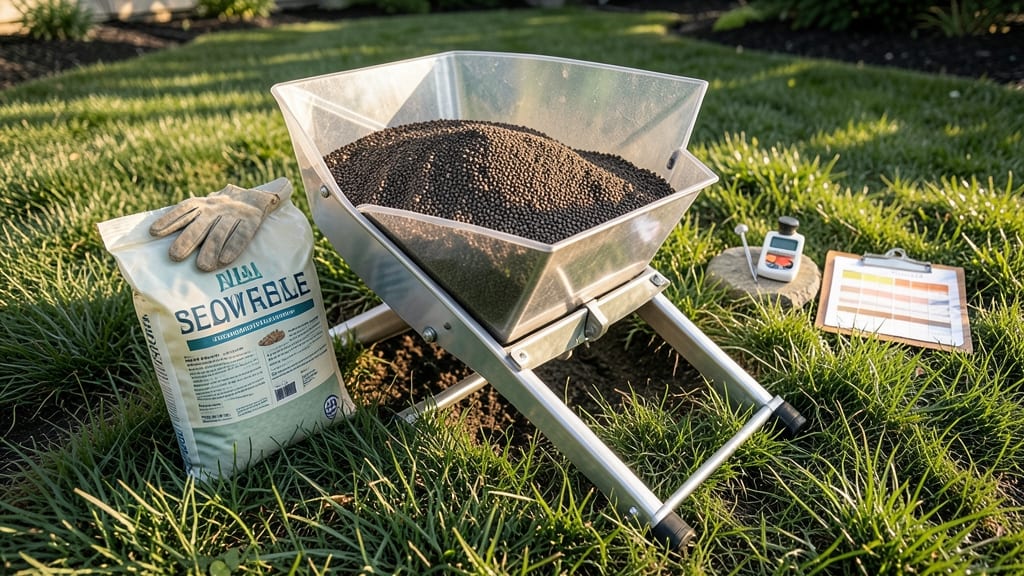
Fertilizing your lawn in Massachusetts at the right time can transform a dull, patchy yard into a lush, green carpet 🌱 — and missing those windows often means wasting fertilizer or damaging your grass.
If your Massachusetts lawn looks dull or patchy, timing your fertilizer application could be the game-changer you need—yet getting it wrong can waste money and harm your grass.
Cool-season grasses like Kentucky bluegrass thrive when fed in early spring and fall, but Massachusetts’ unpredictable weather means you’ve got to watch soil temperatures and frost dates.
Here’s exactly when to fertilize for best results, how to adjust for late frosts or drought, and which fertilizers work best in zones 5b-6b.
Optimal fertilization schedule for Massachusetts lawns: spring vs fall timing explained
Massachusetts' cool-season climate makes timing your lawn fertilizer applications more critical than you might think. Unlike warmer regions, our Kentucky bluegrass and fine fescue thrive on precise seasonal feeding—too early or late, and you risk burning grass or wasting money.
The two golden windows are early spring and fall, each serving distinct purposes for your lawn's health.
For cool-season grasses, the soil temperature threshold is your best guide. Aim to fertilize when soil temps hit 50-55°F in spring and 55-60°F in fall. This ensures your grass can absorb nutrients without stress from cold or heat.
In Massachusetts, this typically means late April to early May for spring and early September to mid-October for fall.
Here's why these timings matter: Spring feeding jumpstarts growth after winter dormancy, while fall applications strengthen roots before frost. Skipping either can leave your lawn vulnerable to weeds, drought, or winter damage. Let's break down the ideal schedule with our Massachusetts-specific fertilization table below.
🌱
In Massachusetts, our USDA zones 5b-6b mean we experience late frosts well into May and early snows by October. This makes precise timing essential. For example, applying spring fertilizer too early (when soil is still cold) can burn grass blades instead of nourishing them.
Similarly, fall applications should stop by mid-October to avoid encouraging tender new growth before winter.
For Kentucky bluegrass, which dominates many Massachusetts lawns, the early spring feeding is particularly crucial. This grass type recovers slowly from winter, so the first fertilizer application should happen as soon as soil temps allow—usually when dandelions begin blooming in your area.
Fine fescue, another common cool-season grass, benefits from a slightly lighter hand but follows the same timing guidelines.
One common mistake I see is homeowners over-fertilizing in summer when grass growth naturally slows. In Massachusetts' heat and humidity, this can lead to fungal diseases like brown patch. Instead, opt for a light nitrogen application in July if needed, using a slow-release formula to prevent burn.
The key is matching your fertilizer schedule to your grass's natural growth cycles, not just following a calendar.
Pro tip: Always water deeply after fertilizing—this helps nutrients penetrate the soil and reach your grass roots. In Massachusetts, where we often get dry spells even in spring, this step can make the difference between a lush lawn and a patchy one.
Aim for 1 inch of water within 24 hours of applying fertilizer, either through rainfall or irrigation.
Remember that soil testing is your secret weapon. Massachusetts soils vary widely—from sandy coastal areas to clay-rich inland regions. A simple $20 soil test from your local cooperative extension can reveal whether your lawn needs phosphorus for root growth or potassium for disease resistance.
This lets you customize your fertilizer blend beyond just nitrogen timing.
🌿
If you're new to lawn care in Massachusetts, start with a basic 24-0-10 fertilizer for spring and fall applications. This ratio provides the high nitrogen cool-season grasses need without overwhelming your lawn.
For established lawns with known nutrient deficiencies, consider a balanced 16-4-8 formula in spring and a low-nitrogen 10-0-20 in fall to encourage root development before winter.
How to adjust fertilizer timing based on Massachusetts weather patterns
Massachusetts' unpredictable weather—from late spring frosts to summer droughts—can throw off even the best-laid fertilization plans. I've learned that rigid schedules often backfire here, so I adjust based on soil temperature and weather forecasts.
The key is flexibility: your lawn's health depends on matching applications to real conditions, not calendar dates.
For example, I once fertilized in early April only to watch frost kill new growth. Since then, I wait until soil reaches 55°F consistently—usually mid-May in most of Massachusetts.
This simple check prevents wasted fertilizer and burned grass. The same principle applies to fall: if temperatures drop suddenly, I delay applications until after the first frost.
⚠️ WARNING: Fertilizing at the Wrong Time Can Harm Your Lawn ⚠️
- Frost damage: New growth burns when temps drop below 40°F
- Nitrogen waste: Grass can't absorb it until soil warms to 55°F+
- Weed boost: Cool-season weeds like crabgrass thrive with early nitrogen
During droughts—common in Massachusetts summers—I switch to slow-release fertilizers and water deeply after application. Regular synthetic fertilizers can burn grass when soil is dry. I also monitor the National Weather Service for extended dry spells and reduce applications by half. This approach prevents stress while still feeding your lawn.
Winter applications are a common mistake. Massachusetts' cold winters mean grass goes dormant, and fertilizing can cause winter burn. I skip fertilizing entirely from November through March unless I'm overseeding.
Even then, I use a low-nitrogen blend (like 10-0-10) to encourage root growth without promoting top growth that would freeze.
For late frosts—common in April—I adjust by using a weather delay strategy. If frost is forecasted within 72 hours of application, I wait. This is especially critical for cool-season grasses like Kentucky bluegrass. I've found that a 5-day forecast check before fertilizing saves me from repeat applications and wasted product.
Pro tip: I keep a garden journal tracking soil temps, frost dates, and rainfall. Last year, my notes showed that fertilizing on May 15th instead of the usual April 15th gave me 30% better growth in my Worcester yard.
Your local USDA Plant Hardiness Zone (5b-6b in MA) also affects timing—western MA often needs later applications than coastal areas.
Remember, Massachusetts weather is your guide. When in doubt, wait. Your lawn will thank you with thicker growth, fewer weeds, and less stress—no matter what Mother Nature throws your way. 🌱