
Lawn
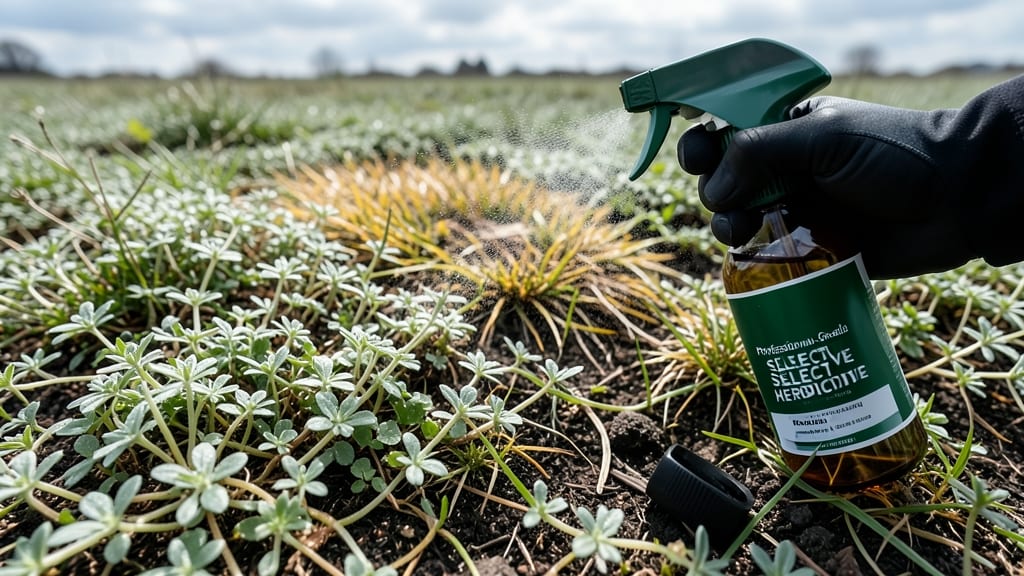
Tired of battling stubborn chickweed in your lawn? These 10 proven techniques will help you eliminate it efficiently—while protecting your back and preserving your grass. Learn the best methods for different lawn types and seasons.
Hand Pulling with Gloves for Small Patches
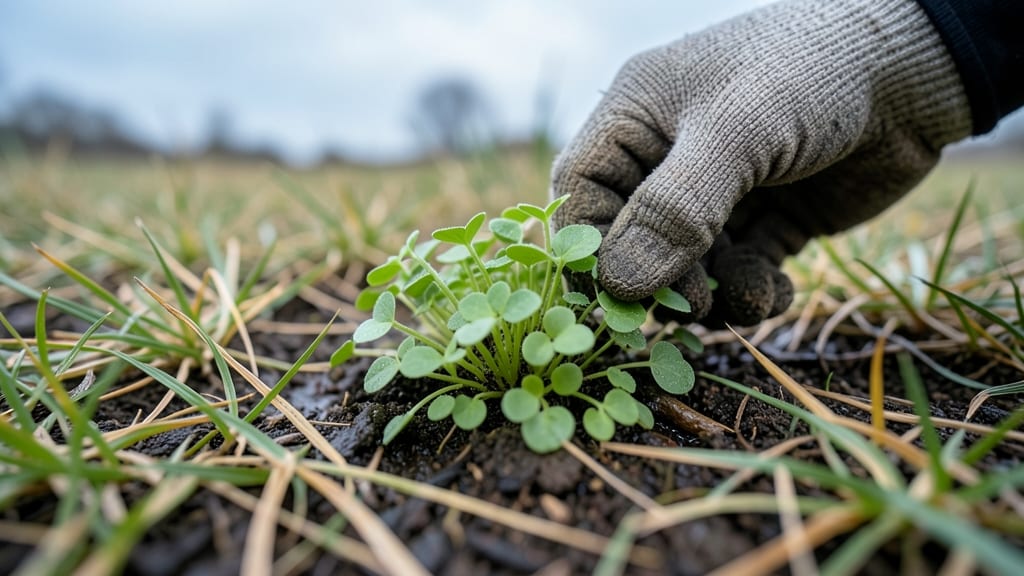
When you spot chickweed creeping into your lawn in small patches, acting fast is key—hand pulling with gloves is your first line of defense. This method works best when the soil is moist (after rain or watering), allowing you to grasp and lift the entire root system without breaking it off.
Wear thick gardening gloves to protect your hands from the plant’s mild irritants, then grip the chickweed at the base and pull upward with steady pressure. Focus on early detection—small patches are easier to manage than sprawling infestations, and this approach is perfect for organic gardeners who avoid chemicals. For best results, pull in the early morning when the plant is hydrated and roots are soft.
This technique is ideal for beginners or those with limited tools, offering a chemical-free, sustainable way to keep your lawn weed-free. Plus, it’s a great way to prevent chickweed from spreading before it takes over. 🌱
Corn Gluten Meal Pre-Emergent Treatment
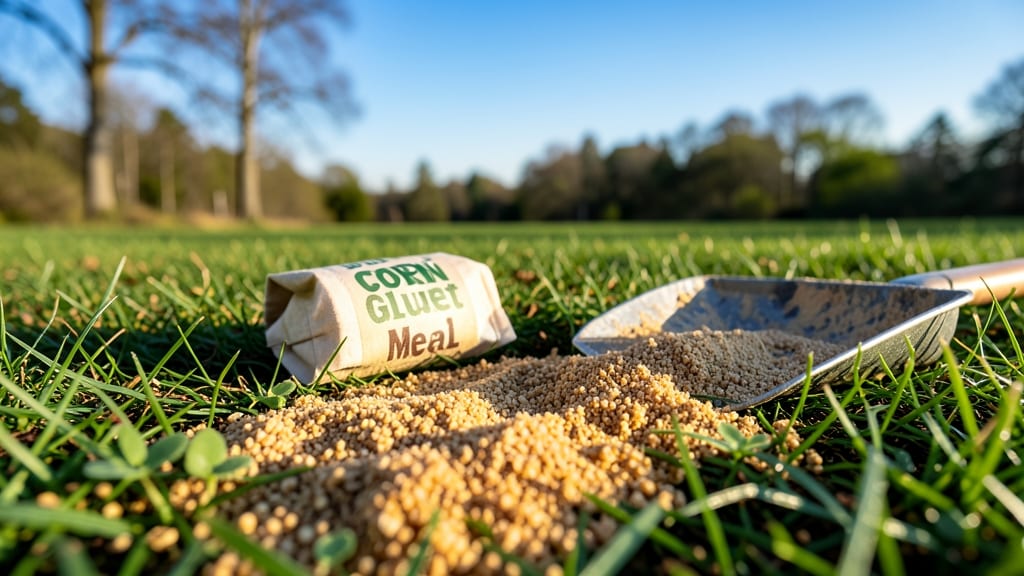
Spring is the perfect time to stop chickweed before it starts—corn gluten meal acts like a natural shield against those pesky seeds. Unlike harsh chemicals, this organic pre-emergent treatment disrupts chickweed germination while feeding your lawn with nitrogen. It’s especially effective when applied before weeds appear, typically in early spring or fall.
Simply spread 20 pounds per 1,000 square feet over damp grass using a broadcast spreader, then water lightly to activate. Reapply every 3-4 months for continuous protection, and avoid overseeding immediately after application. This method is ideal for eco-conscious gardeners who want to prevent weeds without synthetic herbicides.
Perfect for those who prefer proactive lawn care over reactive treatments, corn gluten meal keeps your yard chickweed-free while supporting long-term soil health. 🌱
Vinegar Spray for Large Infestations
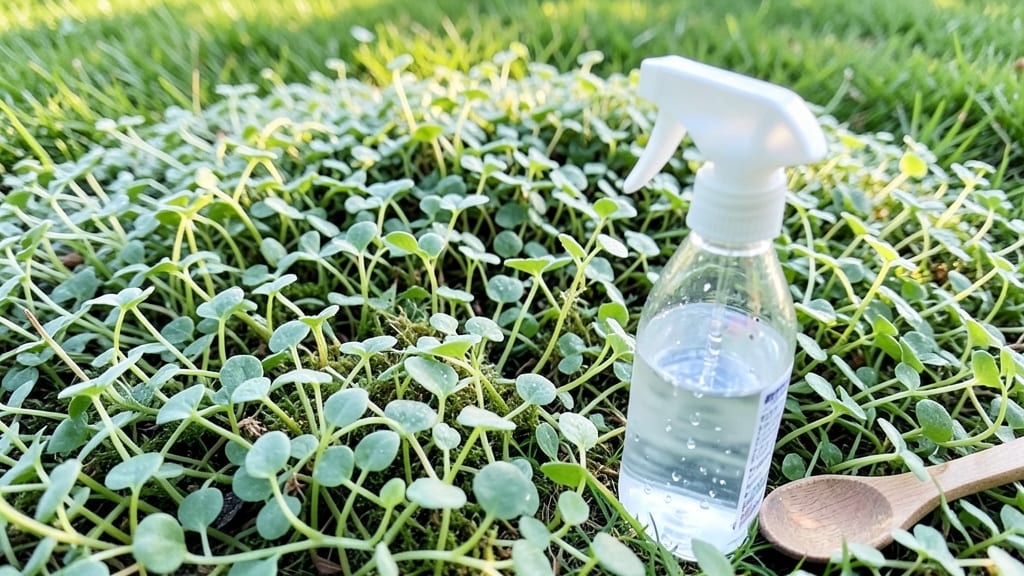
When chickweed takes over in thick patches, you need a fast-acting solution that won’t leave you pulling weeds for hours. A vinegar spray (1 part white vinegar, 1 part water, and a few drops of dish soap) delivers results within 24-48 hours—perfect for large, dense infestations where time is of the essence.
For best results, apply the spray on a sunny day when chickweed is actively growing, and avoid windy conditions to prevent drift. Use a targeted spray nozzle to protect surrounding grass or plants, as vinegar’s acidity can damage desirable vegetation. Reapply every 3-5 days until the chickweed is completely eradicated.
This method is ideal for gardeners dealing with overwhelming chickweed who want a chemical-free option—just be prepared to work carefully to avoid collateral damage. 💚
Boiling Water Spot Treatment
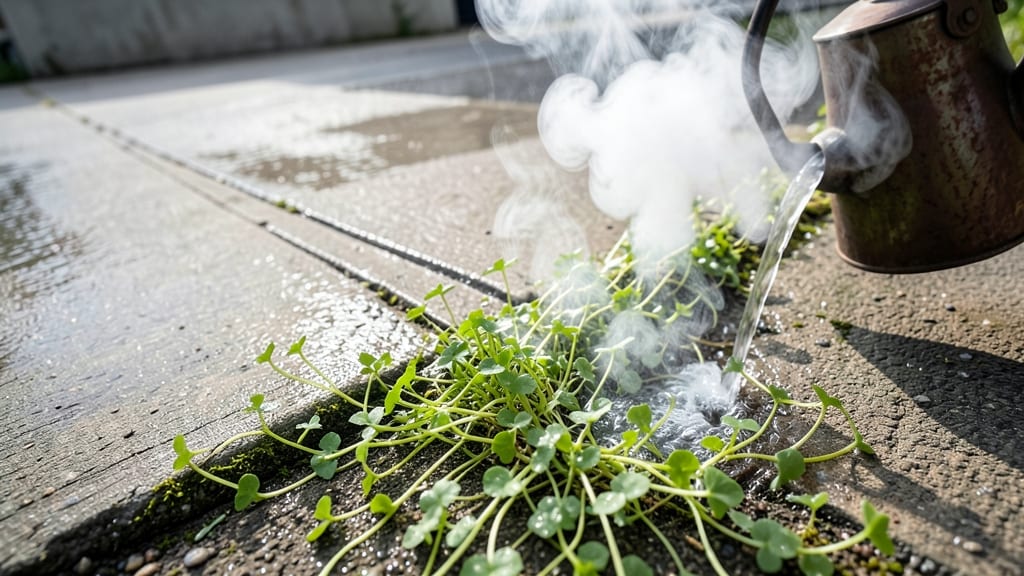
When chickweed invades your sidewalks or driveways, boiling water delivers a chemical-free, instant solution that’s perfect for hard-to-reach spots. This method kills weeds on contact while leaving the surrounding concrete or pavement unharmed—ideal for urban gardeners who want a fast, eco-friendly fix.
Simply pour freshly boiled water directly onto the chickweed stems until they’re fully saturated. The high heat disrupts cellular structure, causing immediate wilting and death within minutes. For best results, treat on a sunny day when weeds are actively growing, and repeat if new sprouts appear. This technique is especially useful for cracks or edges where pulling weeds by hand is difficult.
Urban gardeners and eco-conscious homeowners will appreciate this method’s simplicity and effectiveness. It’s a great alternative when you need to tackle localized chickweed without harsh chemicals. ✨
Mulching Thick Grass Cover
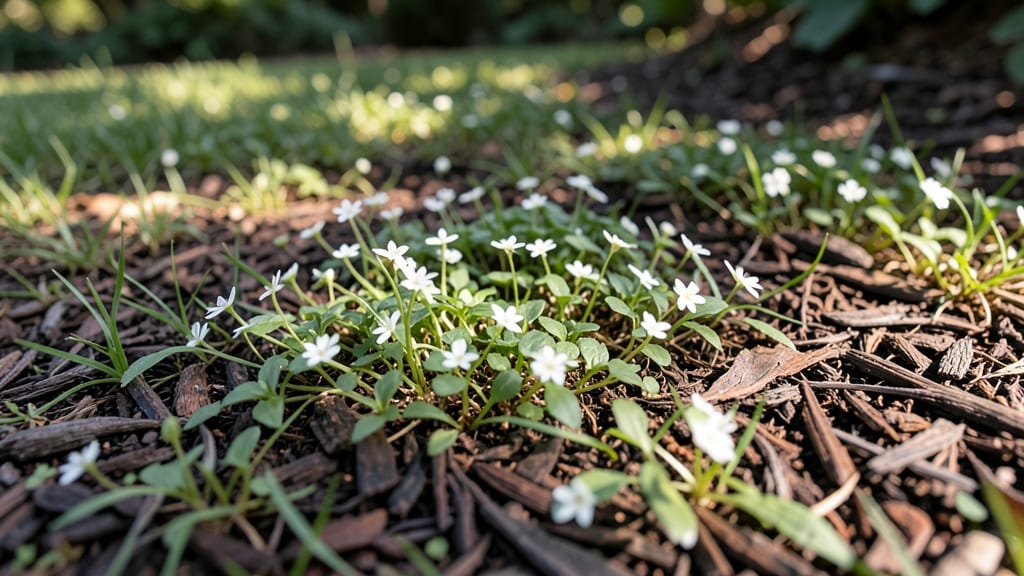
Struggling with chickweed in shady lawn spots where grass barely grows? A thick layer of mulch could be your secret weapon. Chickweed thrives in thin grass because it loves sunlight—so blocking that light with mulch starves it out before it starts.
Spread a 2-3 inch layer of organic mulch (like shredded bark or straw) over bare patches or thin grass areas. This creates a protective barrier that smothers chickweed seeds while encouraging grass to thicken. For best results, apply mulch in early spring or fall when chickweed is most active. Just avoid piling mulch directly against grass stems to prevent rot.
This low-effort method is perfect for shady lawns or high-traffic areas where grass struggles to grow. It’s also a great way to reduce future weed seeds without chemicals. 🌱
Solarization for Stubborn Weeds
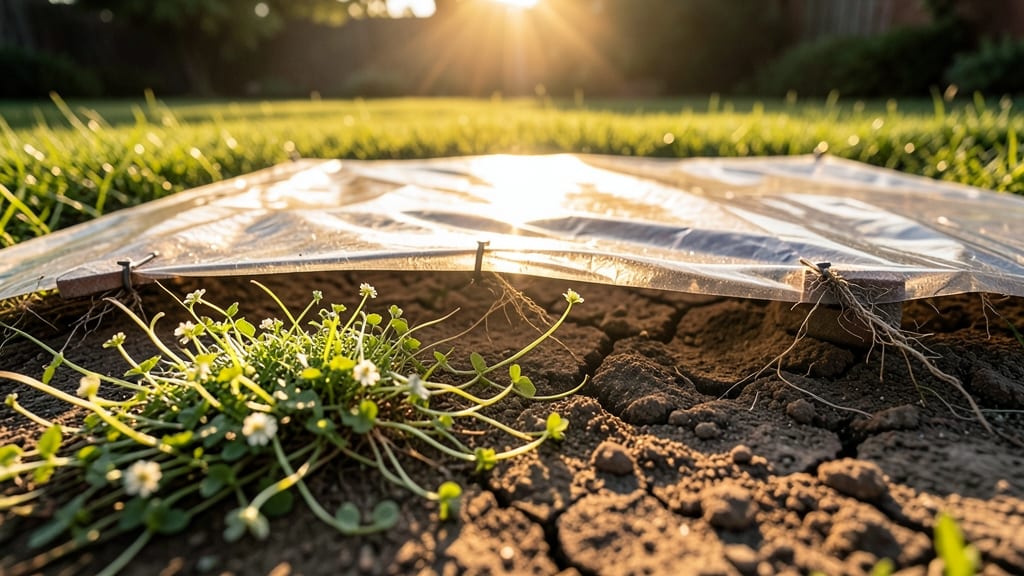
When chickweed seems to bounce back no matter what you try, solarization uses the power of the sun to bake weeds out of existence—no chemicals required. This method leverages late summer or fall’s warm soil and intense sunlight to create a solar oven effect that kills even stubborn roots.
Start by mowing the area short, then cover the chickweed patch with clear plastic sheeting (at least 1 mil thick) secured tightly with bricks or soil. Leave it in place for 4-6 weeks during peak sunlight months (August through October in most climates). The trapped heat will reach 120°F+, sterilizing the soil and breaking down weed roots while preserving grass seeds for reseeding.
This eco-friendly technique is perfect for gardeners who want a chemical-free solution without the back strain of hand-pulling. It’s especially effective for large patches where other methods fall short. 🌻
Hoeing for Deep Root Removal
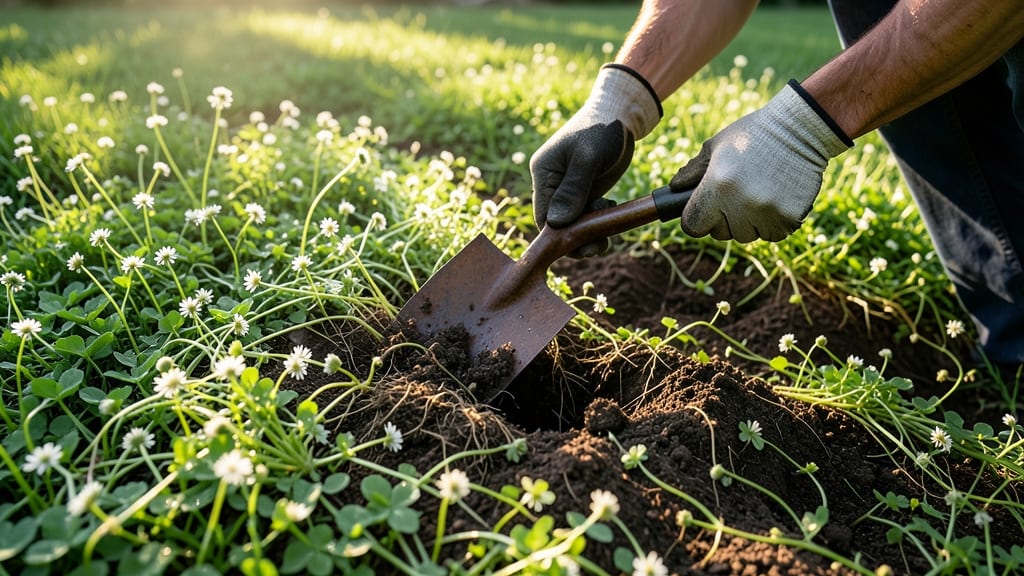
When your lawn is blanketed in chickweed and hand-pulling feels like an endless chore, a hoe becomes your secret weapon. Unlike spot treatments, hoeing slices through the soil level—severing roots while disturbing the soil structure to prevent regrowth, especially before those pesky seeds set.
Use a stiff-bladed hoe (like a stirrup hoe) on dry days to cut chickweed just above the soil line. Work in sunny weather when the weeds are actively growing—spring and early summer are prime times. For large areas, this method saves time and effort compared to pulling individual plants, making it ideal for lawns over 500 square feet.
This technique is perfect for gardeners who want a chemical-free, fast solution without the back strain of hand-pulling. Just remember: timing is key—act before chickweed seeds mature to stop the cycle for good. 💪
Preventative Soil Testing and Amending
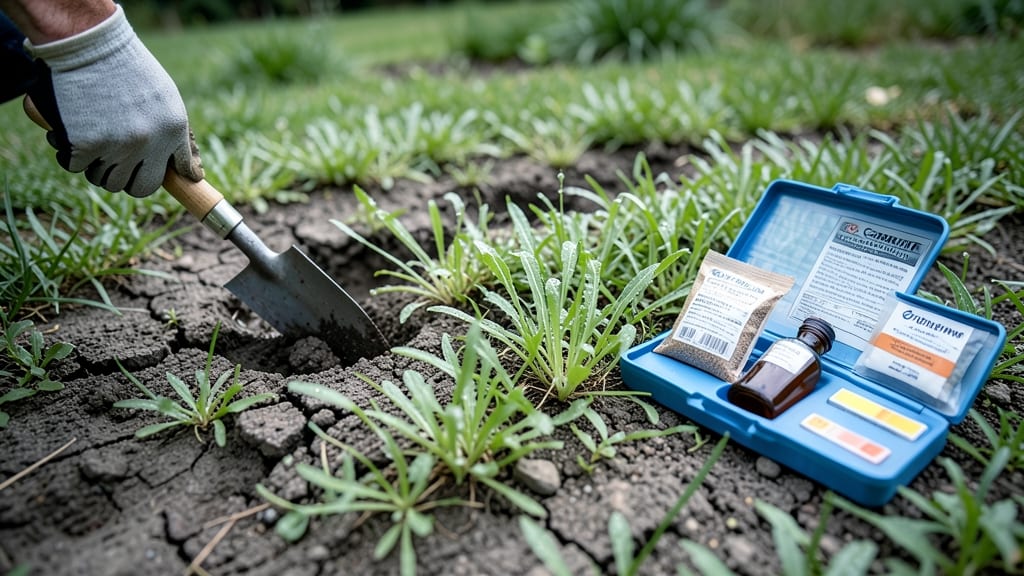
If your lawn keeps inviting back chickweed no matter how often you pull it, the real culprit might be lurking beneath the surface. Poor soil health—like compacted soil or nutrient imbalances—creates the perfect conditions for chickweed to thrive, making spot treatments a losing battle.
Start by testing your soil’s pH and nutrient levels (aim for a 6.0–7.0 pH for most lawns). If drainage is slow, mix in compost or sand to loosen the soil and improve aeration. For nutrient deficiencies, apply a balanced fertilizer (10-10-10) in early spring to strengthen grass roots, which naturally outcompete weeds. This preventative approach addresses the root cause—literally—so your lawn becomes less hospitable to chickweed over time.
This method is ideal for gardeners who want to break the cycle of repeated chickweed invasions without relying on harsh chemicals. A little upfront soil care can save hours of weeding later! 💚
Natural Chickweed-Repelling Plants
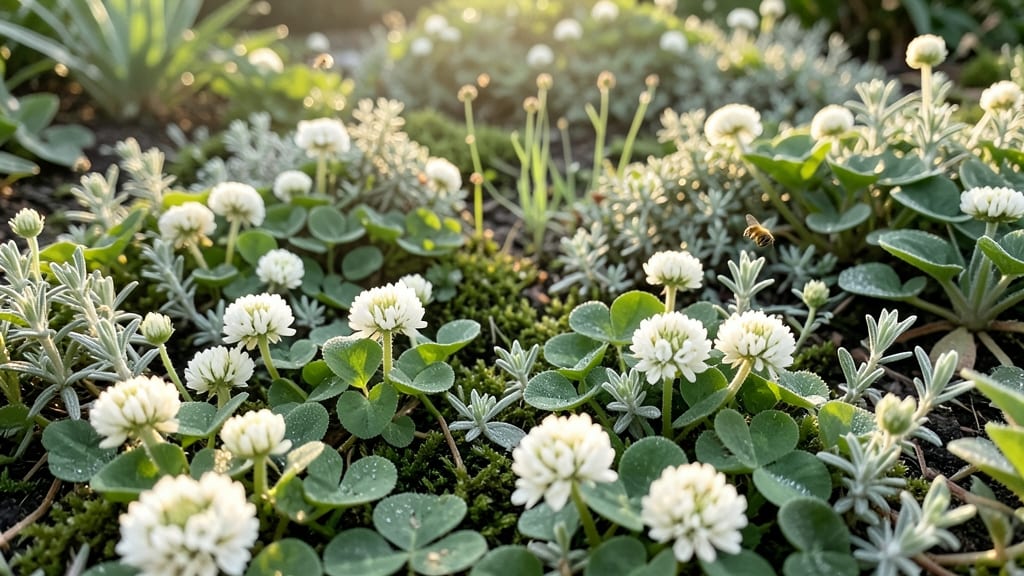
If you're tired of chemical treatments and want a pollinator-friendly way to outsmart chickweed, clover and thyme are your secret weapons. These hardy ground covers don’t just repel weeds—they create a dense mat that blocks sunlight and nutrients chickweed needs to thrive.
Plant white Dutch clover in sunny areas or creeping thyme in drier spots to crowd out chickweed naturally. Both plants are drought-tolerant once established, and they attract bees and beneficial insects while improving soil health. For best results, sow seeds in early spring or fall when chickweed is most vulnerable.
This method is perfect for organic gardeners, urban yards, and pollinator gardens—giving you a chickweed-free lawn without harsh chemicals. 🌿
Professional Herbicide Application for Severe Cases

When your lawn is overrun with chickweed and organic methods aren’t cutting it, a professional-grade herbicide may be your last line of defense. This targeted approach delivers fast, large-scale results—but only when used correctly to protect your grass and surrounding plants.
Look for selective herbicides labeled for broadleaf weeds like chickweed, and apply them on a calm, dry day when temperatures are below 85°F. Use a spreader attachment for even coverage, focusing on the weed roots rather than just the foliage. Always follow the product’s instructions for dilution and reapplication intervals to avoid damaging your lawn.
This method is ideal for homeowners dealing with chickweed-dominated lawns after exhausting other options, though it requires more caution than organic treatments. For best results, combine it with soil amendments to prevent future infestations. 💡