
Lawn
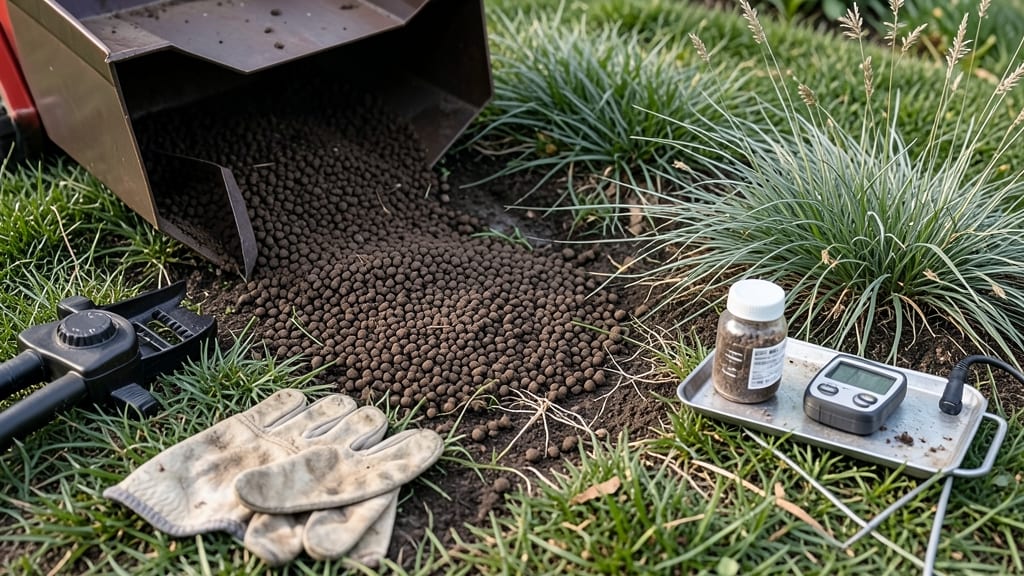
To fertilize your lawn at the best times, focus on seasonal cycles: early spring (late March to April) for cool-season grasses, late spring (May to June) for warm-season grasses, and fall (September to October) for root strengthening. Always start with a soil test to prevent over-application.
Timing matters because grass types grow differently—cool-season varieties like fescue and ryegrass thrive in cooler months, while warm-season grasses such as Bermuda and Zoysia peak in summer. 🌱 Your local climate also plays a role: Northern regions may need an extra fall feeding, while Southern lawns benefit from lighter winter applications.
I've found that testing soil pH and nutrient levels first can save money and prevent damage from over-fertilizing, especially in sandy soils that drain quickly.
For example, a soil test might reveal high phosphorus levels, meaning you can skip phosphorus-heavy fertilizers and focus on nitrogen for greener growth. The key is matching your fertilizer's NPK ratio to what your lawn actually needs—this approach not only improves results but also reduces waste and environmental impact.
💡 In This Article
- How Grass Type and Climate Affect Fertilizer Timing
- Step-by-Step Guide to Soil Testing Before Fertilizing
How grass type and climate affect fertilizer timing
Grass growth cycles are directly tied to temperature, which is why cool-season and warm-season varieties need fertilization at completely different times.
Cool-season grasses like Kentucky bluegrass and tall fescue enter their active growth phase when soil temperatures rise above 50°F in spring, making late March to April ideal for their first feeding.
These grasses grow best when daytime temperatures average between 60-75°F, and their deep root systems develop most efficiently during this period. 🌱
Warm-season grasses, such as Bermuda and St. Augustine, behave oppositely—they go dormant in cooler months and only become active when soil temperatures exceed 65°F. This typically happens in late spring (May to June) in most regions, which is when they need their first fertilizer application.
The key difference lies in their dormancy periods: cool-season grasses remain active through fall, while warm-season varieties shut down completely in winter, requiring a different fertilization strategy.
Climate plays a huge role in adjusting these timelines. In Northern states, where winters are harsh, cool-season grasses benefit from an extra fall feeding (September to October) to strengthen roots before dormancy.
Southern regions, however, may need lighter winter applications or even skip fall fertilization entirely for warm-season grasses, as their growth naturally slows during cooler months. The rule of thumb is to fertilize when your grass is actively growing—not when it's stressed by heat or cold.
Temperature isn't the only factor—rainfall patterns matter too. Fertilizer absorbs best when soil moisture is consistent, which is why spring and fall often provide ideal conditions. In drought-prone areas, you might need to adjust timing to avoid applying fertilizer during dry spells, as this can burn grass roots.
I've seen lawns in the Southwest benefit from early morning applications when dew is present, helping nutrients penetrate more effectively. 💧
Another critical consideration is your grass's dormancy period. For example, Zoysia grass enters dormancy when nighttime temperatures drop below 55°F, meaning fertilization should stop by late summer. Cool-season grasses, however, can handle fall applications until the first hard frost, as they remain active until then.
Understanding these biological triggers helps you avoid wasting fertilizer on dormant grass that won't absorb it.
Regional variations create even more nuance. In the Pacific Northwest, where summers are mild, cool-season grasses might need a light summer feeding, while Southern lawns often require more frequent applications during their longer growing season.
The best approach is to observe your lawn's growth patterns—when it's green and growing vigorously is when it's ready for fertilizer. This natural rhythm often aligns with the recommended seasonal windows but can shift slightly based on microclimates in your area.