
Lawn
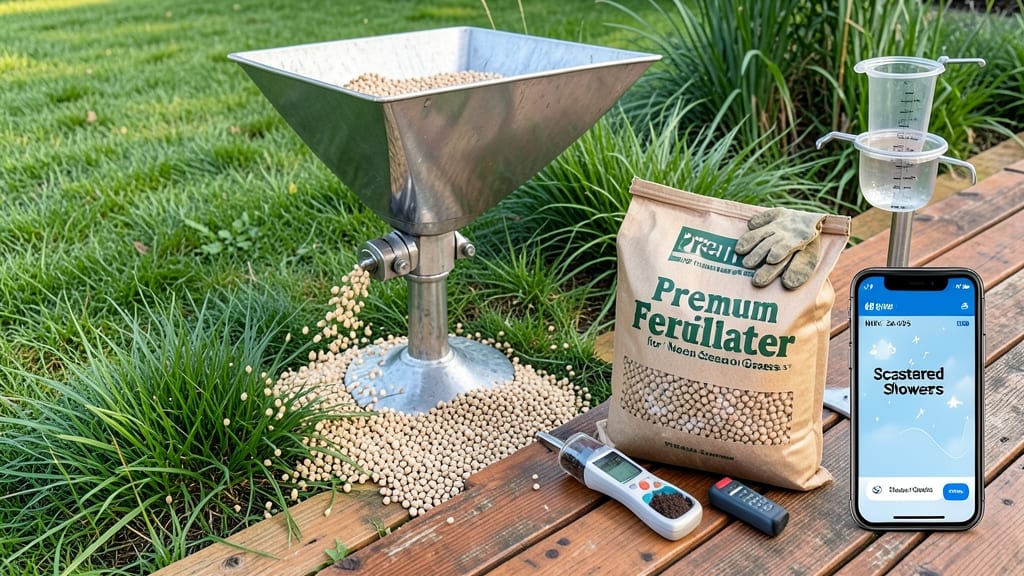
Fertilizing your Nebraska lawn at the right time—when soil temps hit 50°F–65°F—makes all the difference between a lush green carpet and patchy, weak grass 🌱.
Nebraska’s unpredictable weather—from scorching summers to freezing winters—can leave homeowners confused about the perfect time to fertilize their lawns. Get it wrong, and you risk wasting money or harming grass growth.
Cool-season grasses like Kentucky bluegrass and tall fescue thrive with early spring feedings, while late summer and fall applications build drought resistance. But timing isn’t one-size-fits-all—your climate zone (Panhandle, Central, or Eastern) and soil type play a huge role.
Below, I break down the best months to fertilize in Nebraska, how to check soil temperature, and common mistakes to avoid—so you can keep your lawn looking its best year-round.
Best fertilization months in Nebraska by climate zone (2024 guide)
Nebraska’s three distinct climate zones—Panhandle, Central, and Eastern—create unique fertilization windows for your lawn. Cool-season grasses like Kentucky bluegrass and tall fescue thrive when soil temperatures hit 50°F–65°F, but timing varies by zone.
In the Panhandle, where winters are harsher, aim for late April fertilization, while the Eastern zone’s milder winters allow for early March applications. Understanding these differences ensures your grass gets nutrients when it needs them most.
For all Nebraska lawns, the ideal fertilization schedule follows three key windows: early spring (root growth), late summer (drought recovery), and fall (root strengthening).
Missing these windows can lead to thin patches or weed invasion, especially in Nebraska’s clay-heavy soils (common in the east) or sandy soils (common in the west). Let’s break down the best months for each zone to maximize your lawn’s health and drought resistance.
⚠️ NON-NEGOTIABLE: Always test your soil’s pH level (ideal: 6.0–7.5) before fertilizing. Nebraska’s alkaline soils often need sulfur or iron amendments to prevent nutrient lockout. Skip fertilization if your lawn shows signs of stress (brown patches, fungal growth) or if drought warnings are active.
In the Panhandle, where winters are colder and drier, prioritize late April fertilization to jumpstart growth after frost.
This zone’s short growing season demands quick nutrient uptake, so choose a slow-release fertilizer (e.g., 24-0-5 NPK) to avoid burn. Early August is your second window—apply a light nitrogen boost to recover from summer stress, but avoid fertilizing if drought conditions persist.
The Central Nebraska zone offers a longer fertilization window thanks to its moderate climate. Start in early April with a high-nitrogen feed (1 lb per 100 sq ft) to support Kentucky bluegrass recovery.
For tall fescue, which thrives here, a mid-July application helps combat heat stress. In late September, switch to a low-nitrogen, high-potassium fertilizer (e.g., 10-0-20) to strengthen roots before winter.
Eastern Nebraska’s warmer, wetter climate allows for earlier spring fertilization (as early as March), but be cautious—clay soils can become waterlogged, slowing nutrient absorption. Use a core aerator before applying fertilizer to improve soil contact.
The late July window is critical here to outcompete weeds, which thrive in the region’s high humidity. For fall, early October is ideal; avoid fertilizing past mid-October to prevent new growth before frost.
Regardless of zone, always water deeply (1 inch) after fertilizing to activate nutrients. In drought-prone areas (common in the west), consider drought-resistant grasses like buffalo grass or fine fescue, which need less frequent fertilization.
Monitor your lawn for yellowing or pale patches—these are signs of nutrient deficiency or over-fertilization
How to check soil temperature & Adjust fertilizer timing in Nebraska
Timing your lawn fertilizer application based on soil temperature is the secret to a lush, healthy Nebraska lawn. Cool-season grasses like Kentucky bluegrass and tall fescue (common in the state) need soil temps between 50°F–65°F to activate root growth.
If you fertilize too early, nutrients may wash away; too late, and your grass misses critical growth spurts. Here’s how to get it right.
Start by testing your soil temperature at a 4-inch depth—this mimics where grass roots absorb nutrients. Use a soil thermometer (available for $10–$20) or a DIY method: bury a thermometer in a Styrofoam cup for 30 minutes to insulate it.
Check temps in the morning (afternoon sun can skew readings). Urban areas like Omaha may run 5–10°F warmer than rural spots due to heat absorption by pavement.
🌡️ Nebraska Fertilizer Timing Checklist
- ✅ Spring: Fertilize when soil hits 50°F (usually late April–early May).
- ✅ Summer: Apply late summer (August) when temps drop below 80°F to avoid stress.
- ✅ Fall: Light feed in September–October when soil cools to 60°F–65°F for root hardening.
- ⚠️ Adjust for Microclimates: Rural areas (e.g., Lincoln) may need 2 weeks earlier than urban zones.
- 📋 Pre-Fertilizer Prep: Test pH (6.0–7.5) and aerate if soil is compacted.
Nebraska’s microclimates can throw off timing by weeks. For example, the Panhandle (USDA Zone 5a) may see frost until May 15, while Southeast Nebraska (Zone 6a) can hit 50°F soil temps by mid-April.
If you’re in doubt, use a 30-day forecast to plan ahead. Pro tip: Late springs? Delay fertilization until after the last frost—waiting ensures nutrients don’t leach away during freeze-thaw cycles.
Before applying fertilizer, prep your soil with a checklist*: test pH levels (ideal: 6.0–7.5), aerate compacted soil, and mow grass to 2.5–3.5 inches for even absorption. Skip fertilizing if your lawn shows drought stress (blue-gray grass) or fungal signs (patches, mushrooms).
In dry years (like 2023), prioritize deep watering over feeding to avoid shocking roots.
Adjust your schedule if an early freeze threatens. If temps drop below 40°F within 2 weeks of fertilizing, grass growth slows, and nutrients become wasted. Instead, switch to a slow-release fertilizer in fall to feed roots gradually as they prepare for winter.
For late springs, use a starter fertilizer with low nitrogen (e.g., 10-10-10) to kickstart growth without overloading new roots.
Remember: Soil temperature is your best friend. Invest in a soil thermometer for $15, or borrow one from your local Nebraska Extension office.
By aligning fertilization with root activity, you’ll save money, reduce runoff (protecting local waterways), and grow a lawn that’s the envy of your neighborhood—year after year. 🌱