
Lawn
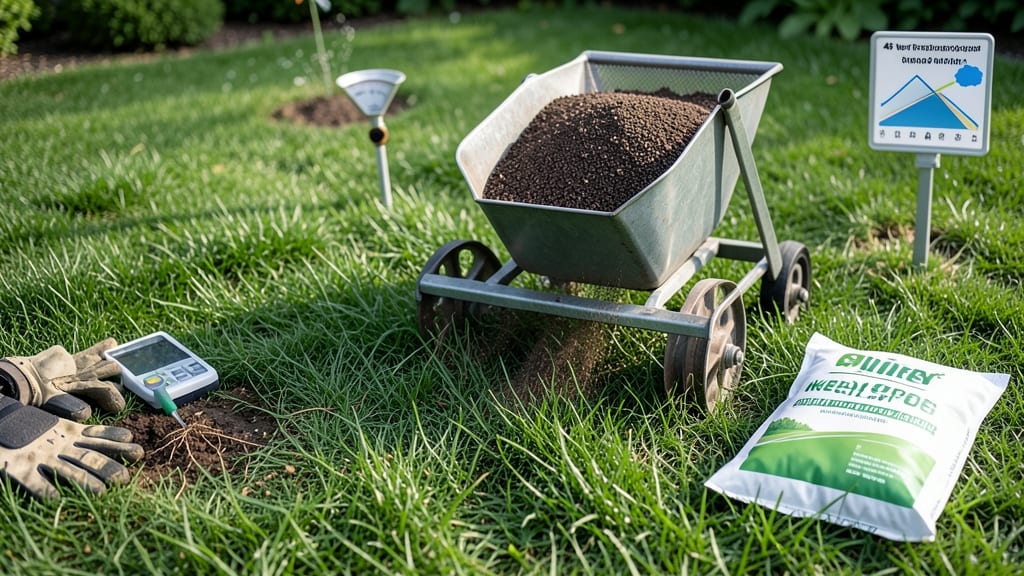
Fertilizing your Wisconsin lawn at the right time—typically early spring and fall—is the key to lush, green grass that survives the state’s sharp seasonal shifts.
Wisconsin’s unpredictable weather—freezing winters, humid summers, and sudden frost—can turn your lawn care routine into a guessing game if you don’t fertilize at the right times. Miss the window, and your grass might struggle to recover, leaving brown patches where green should be.
Cool-season grasses like Kentucky bluegrass and fescue thrive with two critical feedings: once in late April or early May (after the last frost) and again in early fall. This schedule helps your lawn build roots before winter and bounce back stronger in spring.
In this guide, you’ll learn the exact timing for your Wisconsin zone, the best fertilizer types for clay-heavy soils, and how to avoid common mistakes that waste money and harm your grass.
Wisconsin spring fertilization timeline: best weeks for cool-season vs. warm-season grass
Timing your lawn fertilization in Wisconsin is all about matching your grass type to the soil temperature and regional climate. Cool-season grasses like Kentucky bluegrass and fescue dominate most lawns here, while warm-season grasses like zoysia are rare but growing in southern areas.
The key? Fertilize when the soil warms to 50°F for cool-season and 65°F for warm-season varieties.
Wisconsin’s climate varies dramatically—southern regions (like Milwaukee) can fertilize 2-3 weeks earlier than northern areas (like Minneapolis). Always check the last frost date (mid-April to early May) and soil temps before applying fertilizer to avoid burning tender new growth.
Comparison Table: Wisconsin Spring Fertilization Timeline
| Grass Type | Best Fertilization Window | Soil Temp Trigger | Wisconsin Region | Fertilizer Type |
|---|---|---|---|---|
| Kentucky Bluegrass | Late April - Early May | 50-55°F | Statewide (USDA Zones 4a-5b) | Slow-release (24-0-5 NPK) |
| Tall Fescue | Early May - Mid-May | 50-55°F | Northern WI (Zones 4a-4b) | Organic (compost/manure) |
| Fine Fescue | Mid-April - Early May | 45-50°F | Northern/Southern WI | Slow-release (16-4-8 NPK) |
| Zoysia (Warm-Season) | Late May - Early June | 65°F+ | Southern WI (Zones 5a-5b) | Quick-release (30-0-4 NPK) |
| Pre-Emergent Weed Control | Early April (before crabgrass) | 40°F+ | Statewide | Granular pre-emergent |
For cool-season grasses, the first fertilization should happen 4-6 weeks after dormancy breaks. This typically lands in late April to early May, depending on your location. Use a slow-release fertilizer with a 24-0-5 NPK ratio to provide steady nitrogen without burning your lawn.
If you’re in southern Wisconsin, you might also consider a second light feeding in June to maintain color during summer heat. Northern regions should skip this to avoid encouraging late-season growth that won’t harden off before frost.
Pro tip: Always water your lawn deeply (1 inch) after fertilizing to help nutrients penetrate the soil. Avoid fertilizing if rain is forecasted within 24-48 hours, as runoff wastes fertilizer and can harm local waterways.
For warm-season grasses like zoysia, wait until late May to early June when soil temps consistently stay above 65°F. These grasses need a quick-release fertilizer to kickstart growth after winter dormancy.
Don’t forget to test your soil in early spring! Wisconsin’s clay-heavy soils often need amendments like lime to reach the ideal pH of 6.0-7.0. Adjust your fertilizer blend based on test results to avoid over- or under-fertilizing.
Timing is everything in Wisconsin’s short growing season. By following this schedule, you’ll give your lawn the nutrients it needs to outcompete weeds and stay lush all summer.
Fall fertilization schedule for Wisconsin lawns: why late September to early November is critical
Fall fertilization is your lawn’s secret weapon in Wisconsin, where cool-season grasses like Kentucky bluegrass and fescue need a nutrient boost before winter dormancy. The late September to early November window ensures roots strengthen before frost, giving you a greener, more resilient lawn next spring.
Timing is everything—apply too early, and you risk late-season growth that weakens before winter. Too late, and your grass won’t have time to absorb nutrients before the ground freezes.
Wisconsin’s microclimates add complexity: Southern regions (like Milwaukee) can fertilize later, while Northern areas (near the Upper Peninsula) should aim for early fall applications. Always check soil temperatures—ideal fertilization occurs when temps hover between 50–60°F, signaling your grass is still active but preparing for dormancy.
A soil thermometer (or your elbow—if you can’t press your fist into the ground easily, it’s too cold) is your best tool.
Here’s your step-by-step guide to nailing fall fertilization in Wisconsin, tailored to local conditions:
- 1 Wait for soil temps between 50–60°F—typically late September to early October in most of Wisconsin. Use a soil thermometer or the "fist test" (press your fist into the ground; if it’s firm, it’s ready).
- 2 Choose the right fertilizer: Opt for a slow-release, high-nitrogen formula (24-0-5) for cool-season grasses. Organic options like composted manure or bone meal work well for Wisconsin’s clay-heavy soils.
- 3 Apply 1 lb of fertilizer per 100 sqft using a spreader for even coverage. Avoid quick-release fertilizers, which can cause winter burn in cold snaps.
- 4 Water lightly after application to activate granules, then follow up with 1 inch of water weekly (including rain) until the ground freezes. This helps roots absorb nutrients before dormancy.
- 5 Adjust for microclimates: In Northern Wisconsin (USDA Zone 4a), fertilize by late September. In Southern Wisconsin (Zone 5b), you can wait until early November, but stop by mid-November to avoid winterkill.
For Wisconsin lawns, fall fertilization isn’t just about aesthetics—it’s about root health. Grass roots grow deeper when soil temps are 50–60°F, creating a stronger network to withstand drought and foot traffic next summer.
Skip this step, and you’ll likely see thin, weak grass struggling to recover by June. Pro tip: Pair fertilization with a final mow of the season at 2.5–3 inches to protect grass crowns from frost.
Organic vs. synthetic? Wisconsin’s clay-heavy soils benefit from organic options like composted cow manure or fish emulsion, which improve soil structure over time. Synthetic fertilizers offer immediate nitrogen, but organic choices reduce runoff risks in Wisconsin’s humid climate.
Test your soil first—aim for a pH of 6.0–7.0—and amend with lime if needed before fertilizing.
Don’t let Wisconsin’s unpredictable frost dates catch you off guard. Mark your calendar for late September to early November, and your lawn will thank you with vibrant green growth come spring. The key? Timing, soil temps, and the right fertilizer—no guesswork needed. 🌱