
Lawn
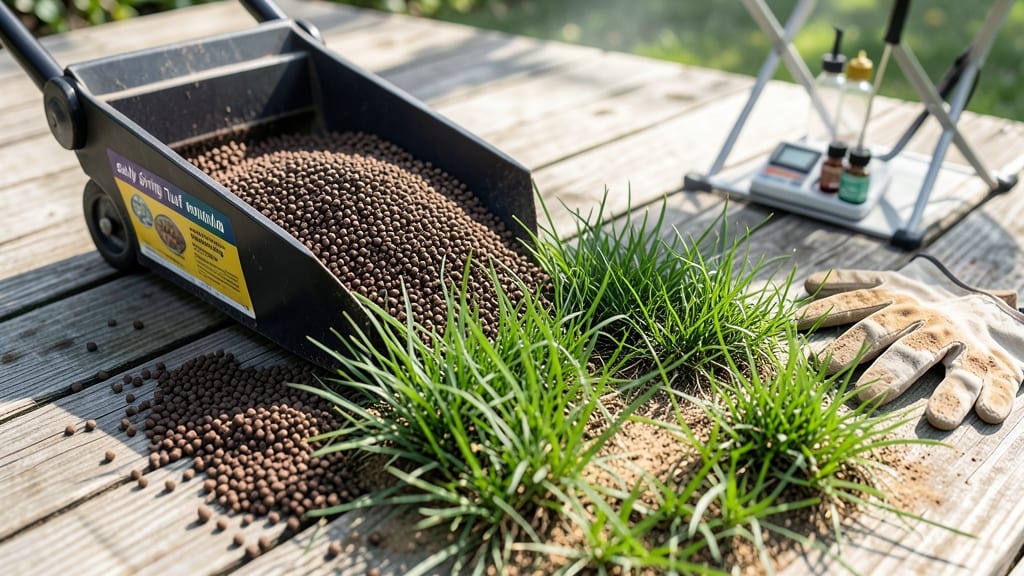
Fertilizing lawn after winter at the right time—when soil warms to 40-55°F—is the difference between a lush carpet of 🌱 and a patchy, struggling yard.
Spring is here, but your lawn won’t thrive without timing fertilization just right—apply too early and risk wasting nutrients, too late and miss peak growth season.
Most homeowners wait until the first warm weekend, but that’s often too soon. The real secret? Checking soil temperature 4-6 inches deep—cool-season grasses like fescue and bluegrass need 45-55°F, while warm-season types (bermuda, zoysia) prefer 50-60°F.
Below, I’ll show you exactly how to test soil, pick the right fertilizer, and avoid the 5 biggest mistakes that turn spring feeding into a waste of money.

Optimal soil temperature for fertilizing lawn after winter
Timing your lawn fertilization after winter isn’t just about the calendar—it’s about soil temperature. Grass roots wake up when soil hits 40-55°F, signaling the perfect window to feed them without risking nutrient waste or burn.
Northern climates need patience, while southern regions can start earlier. Let’s break down the science and regional rules to get your lawn off to the right start.
Your grass type plays a huge role. Cool-season grasses like fescue and bluegrass thrive in 45-55°F soil, while warm-season varieties (bermuda, zoysia) need soil above 60°F to activate properly. Ignoring this can mean wasted fertilizer or stressed grass. Always check before applying—your soil thermometer is your best friend here.
| Region | Ideal Soil Temp (°F) | Recommended Month | Grass Types |
|---|---|---|---|
| Northern US (Zones 3-6) | 45-55°F | Mid-April to early May | Cool-season (Fescue, Ryegrass, Bluegrass) |
| Southern US (Zones 7-10) | 50-60°F | February to March | Warm-season (Bermuda, Zoysia) |
| Transition Zones (6-7) | 50-55°F | Late March to April | Mix of cool/warm-season |
To test your soil temperature accurately, insert a soil thermometer 4-6 inches deep—this mimics root zone conditions. Check readings in the morning when soil is cooler. If temps dip below 40°F at night, wait.
Fertilizer applied in cold soil can burn emerging grass or get locked out by dormant roots. For warm-season grasses, hold off until soil stays above 60°F for at least 3 days.
Regional differences matter more than you might think. In Zone 5, where I live, I’ve learned the hard way that fertilizing in March can backfire if a late frost hits. Instead, I wait until late April when soil consistently stays above 50°F.
Southern gardeners in Zone 8 can start as early as February, but they must use slow-release fertilizers to prevent nutrient runoff from sudden rain.
Watch for visual cues too: when grass starts greening up and growing 1 inch in 7-10 days, that’s your signal. Paired with soil temp checks, this two-step approach ensures you’re fertilizing at peak readiness.
For example, Kentucky bluegrass often shows new growth by late April in my area—once I see that, I know it’s time to feed.
Don’t overlook microclimates within your lawn. South-facing areas warm up faster than shady spots. Test multiple locations to avoid over- or under-fertilizing. I always check both sun and shade zones—sometimes they’re 10°F apart! This precision prevents wasted product and keeps your entire lawn healthy.
If you’re unsure about your USDA zone, check the USDA Plant Hardiness Zone Map and adjust accordingly. For example, Zone 4 lawns may need to wait until early May, while Zone 9 lawns can fertilize in January.
The key is matching your grass type’s needs with your local climate patterns—it’s not one-size-fits-all.
Pro tip: Pair your soil temperature check with a simple grass pull test. Gently tug a small patch of grass—if it resists, roots are active and ready for fertilizer.
If it pulls out easily, wait another week. This quick test saves time and money by confirming soil temp data with real growth signals.
Remember, fertilizer timing isn’t just about spring. For cool-season grasses, a light feeding in early fall (September-October) helps roots prepare for winter. But after winter’s dormancy, that first spring feeding is critical.
By mastering soil temperature thresholds, you’ll give your lawn the jumpstart it needs for the growing season ahead.
Step-by-step guide to fertilizing after winter’s end
Timing your lawn fertilization after winter is critical—miss the window, and you’ll either waste nutrients or delay growth. The secret lies in soil temperature, grass type, and regional climate.
For cool-season grasses like fescue or bluegrass, aim for soil temps between 45-55°F, while warm-season grasses need 50-60°F to activate properly. Without proper prep, even the best fertilizer won’t work—so let’s break this down step by step.
Before grabbing that bag of fertilizer, check your soil pH and nutrient levels. Most lawns thrive in a pH range of 6.0-7.0, but winter can throw off this balance. A simple DIY test kit (available at garden centers) will tell you if your soil is too acidic or alkaline.
Adjusting pH before fertilizing ensures nutrients are absorbed efficiently. For example, if your soil tests below 6.0, add pelletized lime to raise it gradually over 2-3 months.
5 Critical Steps for Perfect Timing
-
1. Test Soil pH (4.5–6.5 ideal)
Use a DIY kit or send a sample to a lab. Adjust pH before fertilizing—lime raises pH, sulfur lowers it.
-
2. Select the Right Fertilizer
Cool-season grasses: High nitrogen (25-0-5). Warm-season grasses: Balanced (10-10-10) or slow-release.
-
3. Apply When Soil is Dry
Fertilize 2–3 days after rain or watering to activate nutrients without burning grass.
-
4. Use Spreaders for Even Coverage
Broadcast spreader for large areas; drop spreader for precision. Apply ½ pound of nitrogen per 1,000 sq. ft.
-
5. Water Lightly After Application
½ inch of water helps nutrients penetrate soil. Avoid deep watering for 48 hours post-fertilization.
Choosing the wrong fertilizer is a common mistake that can stunt growth or attract pests. For cool-season grasses, opt for a high-nitrogen formula like 25-0-5 to encourage rapid green-up. Warm-season grasses, however, need a balanced NPK ratio (e.g., 10-10-10) to support root development as temperatures rise.
Pro tip: If you’re unsure about your grass type, check seed packets or consult your local cooperative extension service for regional recommendations.
Application technique makes or breaks your results. Always fertilize on a dry, calm day to prevent wind from scattering granules unevenly. Use a broadcast spreader for large lawns and a drop spreader for precision around edges or flower beds.
Walk in a crisscross pattern to ensure even coverage, and overlap slightly with each pass. For new lawns, skip fertilization entirely the first year—focus on establishing roots instead.
Post-fertilization care is just as important as the application itself. After spreading, water lightly (¼ inch) to activate the fertilizer, then follow up with ½ inch of water over the next 24 hours. Avoid deep watering for 48 hours to prevent nutrient runoff.
Watch for signs of over-fertilization, like yellowing grass or white crust on the soil surface—this means you’ve applied too much. If this happens, rinse the area with water immediately to dilute the excess.
With these steps, your lawn will wake up from winter dormancy strong and ready to grow. Remember: patience and preparation are key—rushing the process can do more harm than good. Once you’ve mastered this timing, you’ll see a noticeable difference in your lawn’s vibrancy and resilience all season long. 🌱