
Lawn
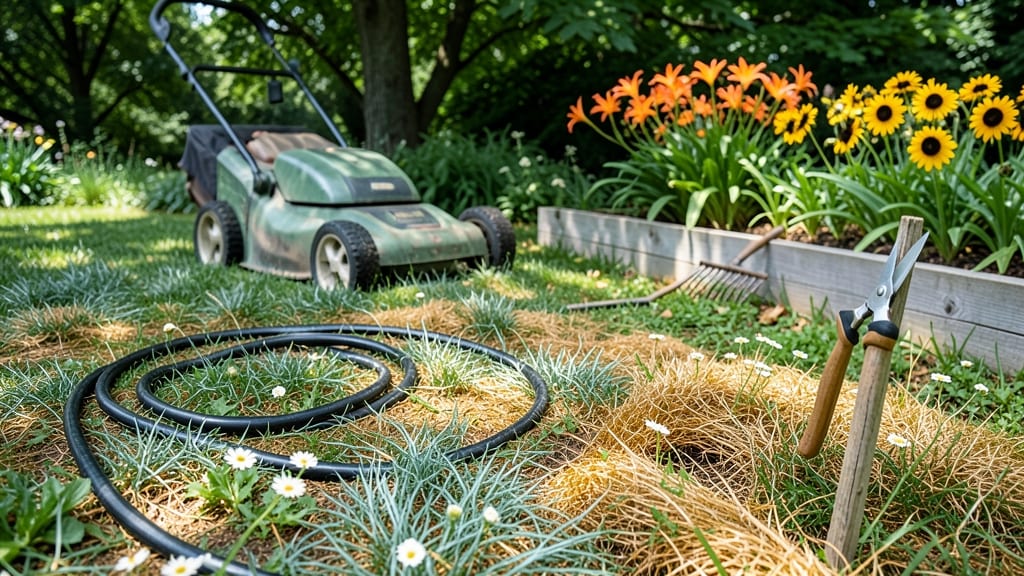
Your lawn’s health starts with knowing exactly when to act—because garden and lawn care isn’t guesswork, it’s timing. 🌱 I’ve spent years tracking what works (and what doesn’t) across seasons, and this calendar cuts through the confusion so your grass stays thick, weeds stay low, and your yard becomes the envy of the block—without the guesswork.
The secret isn’t fancy tools or expensive treatments—it’s matching tasks to the season. Early spring? Focus on soil prep and first mows. Summer? Water deeply in the morning, fertilize, and watch for pests.
Fall? Overseed and aerate before winter sets in. Each step builds on the last, and by next year, your lawn will be the greenest, most resilient in the neighborhood.
You’ll walk away with a clear plan for every month, from spring cleanup to winter protection, so you’re never scrambling. No more brown patches, no more weed wars—just a lawn that thrives year-round with minimal effort. Let’s make this the year your yard stops struggling and starts shining.
Works for cool-season grasses like Kentucky bluegrass, warm-season types like Bermuda, and even shady patches. Whether you’re a first-time homeowner or a seasoned gardener, this calendar adapts to your climate and your schedule. Ready to transform your turf?
📚 In This Guide
- What you need
- Instructions
- Tips and common mistakes
- Wrapping up and next steps
What you need
- ● Lawn Mower – Choose based on lawn size: Push mower (small yards, <1,000 sq ft)
- ● Riding mower (large yards, >1,000 sq ft)
- ● Self-propelled or electric (for ease of use)
- ● String Trimmer/Weed Whacker – Gas or battery-powered (12"–24" cutting width)
- ● Lawn Rake – Metal or plastic (4–6 teeth per inch for debris removal)
- ● Garden Gloves – Durable, breathable (e.g., leather or reinforced fabric)
- ● Wheelbarrow or Garden Cart – 2–3 cubic feet capacity for hauling soil/clippings
- ● Soil Tester Kit – pH meter or DIY test strips (to check soil health)
- ● Hose with Adjustable Nozzle – 50+ ft length, with spray/sprinkle settings
- ● Watering Can – 1–2 gallon capacity (for seedlings or small areas)
- ● High-Quality Seed or Sod – Match to your climate (e.g., Kentucky Bluegrass, Bermuda, Fescue)
- ● Organic or Synthetic Fertilizer – Slow-release granules or liquid feed (NPK ratio: 10-10-10 or 20-5-10)
- ● Mulch – Shredded bark, straw, or wood chips (2–4 inches deep for beds)
- ● Pest Control – Organic options (neem oil, diatomaceous earth) or targeted pesticides (e.g., grubs, ants)
- ● Weed Killer – Pre-emergent (spring) or post-emergent (selective/non-selective)
- ● Compost or Soil Conditioner – Peat moss, coconut coir, or composted manure
- ● Lawn Aerator – Manual or powered (spike or slice-type, for compacted soil)
- ● Leaf Blower/Vacuum – Gas or electric (for quick cleanup)
- ● Soil Thermometer – To monitor planting/seed germination temperatures
- ● Drip Irrigation System – For efficient watering (especially in dry climates)
- ● Lawn Roller – 50–100 lb weight (for seeding or leveling)
- ● Pruners/Loppers – Bypass pruners for clean cuts (hedges, shrubs)
- ● Safety Gear – Ear protection (for loud equipment), knee pads, or a wide-brim hat
Seasonal calendar for thriving turf: Step-by-Step maintenance guide
Here's the year-round schedule I follow to keep lawns lush and resilient—adjust based on your hardiness zone.
⏰ Step 1: Spring—Wake Up Your Dormant Grass
Start in early spring when soil temperatures reach 50°F—that's when grass roots begin growing again. Clear debris from winter (leaves, branches) with a rake, then aerate compacted areas using a core aerator. You'll see plugs of soil pulled up, which signals the lawn is ready for deeper moisture and nutrients.
Apply a slow-release, high-nitrogen fertilizer (like 24-0-6) when grass is actively growing but hasn't exceeded 4 inches in height. Water deeply—about 1 inch—right after to activate the fertilizer. Avoid synthetic fertilizers in drought-prone zones; opt for organic options like composted manure instead.
☀️ Step 2: Summer—Protect Against Heat and Thirst
By late spring, adjust your mowing height to 3-4 inches to shade roots and retain moisture. Never remove more than one-third of the blade height in a single mowing—this prevents stress. Mow early morning when dew is still present to reduce fungal risks from clippings staying wet.
Water deeply 2-3 times per week (early morning) until soil is 6 inches deep and moist. Check by digging a small hole—if the soil feels dry at that depth, water again. Stop watering when nighttime temps drop below 60°F to prevent fungal growth. Overseed bare spots with disease-resistant seed if you notice thinning.
✂️ Step 3: Fall—Strengthen Roots for Winter
Begin in early fall when daytime temps are 75-80°F—this is the ideal window for cool-season grasses to establish deep roots. Apply a low-nitrogen, high-potassium fertilizer (like 10-0-20) to harden off the lawn. You'll notice grass growing more slowly but thickening noticeably within 3-4 weeks—this is the goal.
Perform a final mowing when grass reaches 3-4 inches, then leave clippings to decompose naturally. This grasscycling returns nutrients to the soil. Aerate again if foot traffic was heavy over summer, and top-dress with ½ inch of compost to improve soil structure before winter dormancy.
❄️ Step 4: Winter—Minimize Damage and Plan Ahead
Remove fallen leaves promptly to prevent snow mold and disease buildup. Use a leaf blower for large areas—piling leaves can smother grass. Avoid walking on frozen lawns, as this damages blades and compacts soil. If snow covers the lawn for extended periods, gently brush it off to allow light and air circulation.
Use winter as a planning phase. Test soil pH in early spring prep (aim for 6.0-7.0 for most grasses) and note any problem areas—like bare patches or weeds—that need special attention next season. Store lawn tools in a dry place and sharpen mower blades before storing to prevent rust.
Tips & tricks for perfect seasonal lawn care
Took me years to figure out these tricks—here’s how to avoid common mistakes and get that showroom-quality lawn without the guesswork.
Soil Temperature Timing: In Step 1, don’t rush the 50°F soil temperature check. Use a soil thermometer at a 4-inch depth in the morning—early spring soil warms slowly, and waiting ensures your grass wakes up properly. I’ve seen lawns fail when people fertilized too early because roots weren’t active yet.
Fertilizer Application Strategy: When applying the 24-0-6 fertilizer in spring, split the dose if your lawn has thick growth. Half now, half in 4-6 weeks prevents over-fertilization. For organic options like composted manure, spread it evenly and water immediately—it breaks down slower than synthetics.
Summer Watering Technique: For the 2-3 times per week deep watering in Step 2, use a rain gauge or tuna can to measure exactly 1 inch. Watering in early morning (before 10 AM) prevents evaporation and fungal growth. If your sprinklers don’t cover uniformly, adjust patterns to avoid dry spots.
Fall Root Strengthening: In Step 3, the 3-4 week window for root establishment after applying 10-0-20 fertilizer is critical. If you miss it, roots won’t harden before winter. Test soil moisture at 6 inches—it should feel damp but not soggy during this period.
Pro Tips for Garden And Lawn Care
- Took me years to figure out these tricks—here’s how to avoid common mistakes and get that showroom-quality lawn without the guesswork.
- Soil Temperature Timing: In Step 1, don’t rush the 50°F soil temperature check.
- Fertilizer Application Strategy: When applying the 24-0-6 fertilizer in spring, split the dose if your lawn has thick growth.
Frequently asked questions
When is the best time to aerate my lawn?
Aerate in early fall (September–October) or spring (March–April) for best results. Cool-season grasses thrive with fall aeration, while warm-season grasses benefit from spring. Avoid aerating during drought or extreme heat—soil should be slightly moist for optimal performance.
How often should I water my lawn?
Water deeply 1–2 times per week (early morning is ideal) rather than daily shallow sessions. Aim for 1–1.5 inches per week, adjusting for rain. Overwatering stresses roots, while underwatering invites weeds. Check soil moisture—if the top 2–3 inches are dry, it’s time to water!
What’s the difference between mulching and bagging grass clippings?
Mulching
leaves clippings on the lawn, returning nutrients naturally (eco-friendly and saves time). Bagging removes clippings, reducing thatch buildup but requiring disposal. Mulch works best for healthy lawns; bag if clippings smother grass or your lawn has thick thatch.
How do I get rid of weeds without chemicals?
Try these natural fixes:
- Hand-pull weeds (especially in early spring) when soil is soft.
- Apply corn gluten meal (pre-emergent) in fall to prevent weed seeds from sprouting.
- Use a vinegar spray (1 gallon vinegar + 1 oz dish soap) for spot treatment—avoid on desirable plants!
- Improve lawn health with proper mowing (3–4") and fertilization to crowd out weeds.
Should I fertilize my lawn in winter?
Most lawns don’t need winter fertilization, but slow-release, winter-safe fertilizers (like those with urea or polymer-coated granules) can help cool-season grasses like fescue or rye. Avoid fast-acting fertilizers—they can burn grass in cold temps. Focus on fall fertilization (late summer/early fall) for best results.
Why are brown patches appearing on my lawn?
Brown patches often signal disease, pests, or environmental stress. Check for:
- Fungal disease (e.g., brown patch): Thick, spongy patches in humid weather. Improve airflow and water in the morning.
- Grubs or insects: Dig up a patch—if larvae are present, apply beneficial nematodes or insecticide.
- Drought or heat stress: Water deeply and adjust mowing height (taller grass shades roots).
- Dog urine: Dilute spots with water or overseed affected areas.
Can I overseed in extreme heat?
No—overseeding in temperatures above 85°F (29°C) stresses new grass seeds. Wait for cool-season grasses (fall) or warm-season grasses (late summer) when temps are 60–75°F (15–24°C). Water lightly but frequently (2–3x/day) for 2–3 weeks after seeding to keep soil moist.
Wrapping up and next steps
Your garden and lawn deserve the same love and attention year-round, and with this seasonal calendar, you’re well-equipped to keep them lush, healthy, and vibrant no matter the climate. 🌱 From prepping for spring’s growth spurt to winterizing for resilience, each step builds on the last—so stay consistent, and watch your outdoor space flourish!
Ready to take it further? Start small: pick one seasonal task this week, like aerating or mulching, and build from there. Happy gardening!