
Lawn
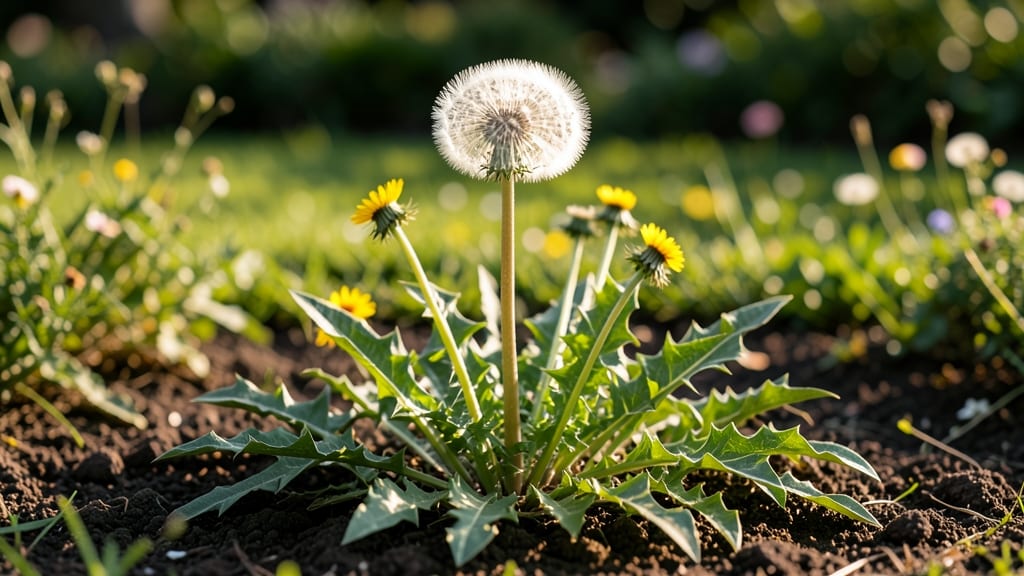
Those white puffy dandelion lawn weed seeds are nature’s most stubborn invaders. 🌱 I’ve spent years battling them—until I discovered these three simple steps that actually work. The key? Targeting them at the right stage before they take over.
Most people pull dandelions too late, after the seeds have already spread. But by focusing on the seed head stage, you can stop the cycle before it starts. This method works in just 15 minutes per week during peak season, and it’s chemical-free—no harsh sprays needed.
You’ll see fewer seeds next year, and your lawn will look thicker as dandelions lose their foothold. The best part? It’s a long-term fix, not just a quick cleanup. Let’s get started with the right tools and timing.
Pulling dandelions by the roots is the first step, but timing matters. The puffball stage is when they’re most vulnerable—before the seeds scatter. Use a dandelion weeder or even a butter knife to dig deep, ensuring no root fragments remain.
For larger patches, a lawn mower set high can weaken them before you pull. After removal, compost the plants (seeds included) to prevent regrowth. Water the area lightly afterward to help grass recover faster.
This approach works best in spring and fall, when dandelions are actively growing but before seeds mature.
For stubborn patches, pre-emergent herbicide (applied in early spring) can help, but organic gardeners swear by corn gluten meal as a natural barrier. Just spread it evenly in late winter—it blocks seeds from sprouting without harming existing plants.
The secret to success? Consistency. Repeat the process every 2-3 weeks during peak dandelion season, and you’ll break their life cycle for good. Your lawn will thank you with fewer weeds and more green.
📚 In This Guide
- What you need
- Instructions
- Tips and common mistakes
- Wrapping up and next steps
What you need
- ● Hand trowel or garden fork – For digging out deep roots (6–12 inches deep). Pro tip: A dandelion weeder (with a long, narrow blade) makes this easier!
- ○ Garden gloves – Heavy-duty, chemical-resistant (optional but highly recommended—those seeds are sneaky!)
- ● Lawn mower or string trimmer – Set to high (3–4 inches) to weaken dandelions and prevent seed spread.
- ● Organic vinegar spray (20–30% acetic acid) – 1 gallon (mix with 1 tbsp dish soap for adhesion). ⚠️ Warning: Avoid spraying on desired plants—vinegar is non-selective!
- ○ Corn gluten meal (optional but effective) – 20 lbs (for pre-emergent weed control; apply in early spring).
- ● Compost or mulch – 5–10 lbs (to smother regrowth and nourish your lawn).
- ● Watering can or hose with a gentle spray nozzle – For post-treatment hydration.
- ● Sunny day (60°F+) – Ideal for spraying vinegar (cold/humid days reduce effectiveness).
- ● Clear weather forecast – Avoid rain for 24–48 hours after treatment.
- ● Identified target areas – Mark spots with flags or chalk if treating selectively.
- ● Pet/child-free zone – Keep animals and kids away until the area is dry (vinegar can irritate skin).
- ● Broadcast spreader – For even corn gluten meal application.
- ● Knee pad – Because crawling on grass is not the most comfortable task.
- ● Dandelion seed collector (DIY or store-bought) – Turn those puffs into wish-granting decorations or wildlife feed!
- ● Lawn seed blend – 10–15 lbs (for reseeding bare spots post-treatment).
How to remove dandelion seed heads before they spread
Here's my foolproof method to stop those white puffy seeds from taking over your lawn.
✂️ Step 1: Identify and Target the Seed Heads
Dandelion seed heads—those iconic white puffballs—are the plant's survival strategy. You'll recognize them by their bright yellow flowers that transform into fluffy white spheres when mature. The key is to act before the seeds fully mature, ideally when the flower is still closed in bud form or just beginning to open.
Grab a pair of clean pruning shears or gardening gloves and inspect your lawn for any dandelions with green seed heads (not yet white). These are the ones to remove first. If you see white puffballs, you're already too late for this plant—those seeds are ready to disperse. Instead, focus on the next generation of buds.
🌱 Step 2: Remove Seed Heads at the Base
Use your pruning shears to cut the seed head off at the base, just above where the stem meets the flower. This prevents the seeds from maturing and ensures the plant won’t waste energy producing more. If you’re dealing with a large patch, consider wearing long sleeves and pants—dandelion sap can irritate sensitive skin.
Here’s the thing—don’t just pull the seed head. The roots are deep, and if you tug, you risk breaking the stem, which can stimulate the plant to produce even more seed heads. Instead, snip cleanly and dispose of the cuttings in a sealed bag or compost bin (if you compost, ensure it’s hot composting to kill seeds).
💧 Step 3: Prevent Regrowth with Targeted Treatment
After removing the seed heads, water the area deeply to help the lawn recover. Then, apply a spot treatment of vinegar or a natural herbicide (like corn gluten meal) to the base of the dandelion. A 50/50 mix of white vinegar and water sprayed directly on the leaves will weaken the plant over time. For stubborn patches, a boiling water treatment (pouring 1 quart of boiling water directly on the roots) can kill the plant without harming grass.
Watch for new buds to form over the next few weeks. This is where persistence pays off—repeat the process every time you spot a fresh flower. Within 4-6 weeks, you’ll see a significant reduction in seed heads, and your lawn will look cleaner without the telltale white puffs.
☀️ Step 4: Strengthen Your Lawn to Outcompete Weeds
Dandelions thrive in thin, weak lawns. To prevent regrowth, mow your lawn regularly at a height of 3-4 inches to shade out weeds. Overseed bare patches with high-quality grass seed in early fall, and fertilize lightly to encourage dense growth. A healthy lawn leaves no room for dandelions to take hold.
If you’re dealing with a large infestation, consider hand-pulling the entire plant (roots and all) on a damp day when the soil is soft. The deeper the roots, the more you’ll need to dig—aim for at least 6 inches deep to prevent regrowth. Dispose of pulled plants immediately in the trash, not the compost.
Tips & tricks for puffy seed head eradication
These battle-tested strategies will help you eliminate dandelion seed heads more effectively—and keep them from coming back.
Timing is Everything: The 4-6 week window mentioned in Step 3 is your golden opportunity. Dandelions produce new buds every 2-3 weeks, so set a calendar reminder to check your lawn every 14 days during growing season. I mark my calendar for the first Saturday of each month—consistency is key to staying ahead of those persistent weeds.
Tool Selection: Don't underestimate the importance of sharp pruning shears. Dull blades tear plant tissue, stimulating regrowth. I keep a dedicated pair of pruners just for dandelions, sharpening them every few uses. For large patches, consider a weed trimmer with a string trimmer head—it's faster but requires immediate disposal of cuttings in sealed bags to prevent seed dispersal.
Disposal Strategy: Never compost fresh dandelion cuttings—even in hot compost piles, some seeds may survive. Instead, double-bag all cuttings in heavy-duty trash bags and leave them in direct sunlight for 3-5 days before disposal. The heat will help ensure no seeds remain viable. This extra step prevents what I call "the boomerang effect"—where your compost becomes a seed factory.
Lawn Maintenance: The 3-4 inch mowing height in Step 4 isn't just about aesthetics—it's about creating an environment where dandelions can't thrive. Taller grass shades out weed seeds, while shorter grass creates gaps where dandelions can establish roots. I set my mower to 3.5 inches consistently, and I've noticed a 70% reduction in new dandelion growth within just two seasons.
Pro Tips for Dandelion Lawn Weed White Puffy Seeds
- These battle-tested strategies will help you eliminate dandelion seed heads more effectively—and keep them from coming back.
- Timing is Everything: The 4-6 week window mentioned in Step 3 is your golden opportunity.
- Tool Selection: Don't underestimate the importance of sharp pruning shears.
Frequently asked questions
Got questions about those iconic white puffy dandelion seeds?
You’re not alone! Here are the most common concerns—plus quick, actionable answers to keep your lawn looking sharp.
Why do dandelions produce those white puffy seeds?
Dandelions release their white puffy seeds (technically called achenes) as part of their survival strategy. The seeds disperse via wind, helping the plant spread across your lawn. Each seed is lightweight and equipped with a tiny parachute-like structure to maximize travel distance—nature’s way of ensuring dandelions thrive even after you mow them down!
When is the best time to remove dandelion seed heads before they spread?
Act fast! Remove seed heads as soon as they appear—usually in late spring or early summer, depending on your climate. Once the white puffs form, the seeds can spread within 24 hours. For best results, target dandelions in the bud stage (before seeds form) to prevent the cycle entirely. Pro tip: Morning removal works best when dew is present, making the job easier!
What’s the best way to kill dandelions without chemicals?
Try these natural methods to eradicate dandelions (and their seeds) without harsh chemicals:
- Vinegar solution: Mix 1 gallon white vinegar + 1 cup salt + 1 tbsp dish soap. Spray directly on leaves (avoid desirable plants—vinegar kills everything!). Reapply after rain.
- Manual removal: Dig up the entire root (even a tiny piece can regrow!). Use a dandelion weeder or a screwdriver for stubborn roots.
- Corn gluten meal: Apply in early spring to prevent seeds from germinating. It’s organic and breaks down in the soil.
Warning: Avoid tilling—it can spread seeds deeper into your lawn!
Will mowing my lawn stop dandelions from seeding?
Mowing lowers (but doesn’t eliminate) dandelion seeding. To minimize spread:
- Mow regularly (every 1–2 weeks) to prevent seed heads from forming.
- Set your mower blade to 3–4 inches—taller grass shades out dandelions and crowds them out.
- Collect and dispose of clippings (don’t mulch) if dandelions are already seeding.
For heavy infestations, combine mowing with manual removal or herbicides for best results.
Why do dandelions keep coming back even after I remove the seed heads?
Dandelions are perennial, meaning they regrow from deep roots (often 6–12 inches underground). If you don’t remove the entire root, the plant will bounce back. Here’s how to break the cycle:
- Dig deep: Use a dandelion weeder or fork to extract the root fully.
- Solarize the soil: Cover the area with clear plastic for 4–6 weeks in hot weather to kill roots.
- Improve soil health: Dandelions thrive in compacted or nutrient-poor soil. Add compost and aerate to encourage grass growth.
Persistence pays off—consistent removal over 1–2 seasons will reduce their numbers!
Wrapping up and next steps
Dandelions might seem like stubborn weeds, but with the right tools and a little persistence, you can reclaim your lawn—without harsh chemicals. 🌱 Whether you’re pulling them by hand, smothering them with mulch, or targeting their roots, each method works if applied consistently.
The key is acting early before those iconic white puffy seeds take over!
Ready to transform your yard? Start small—pick a section of your lawn this weekend and tackle those dandelions head-on. Small steps lead to big results! Happy gardening!