
Lawn
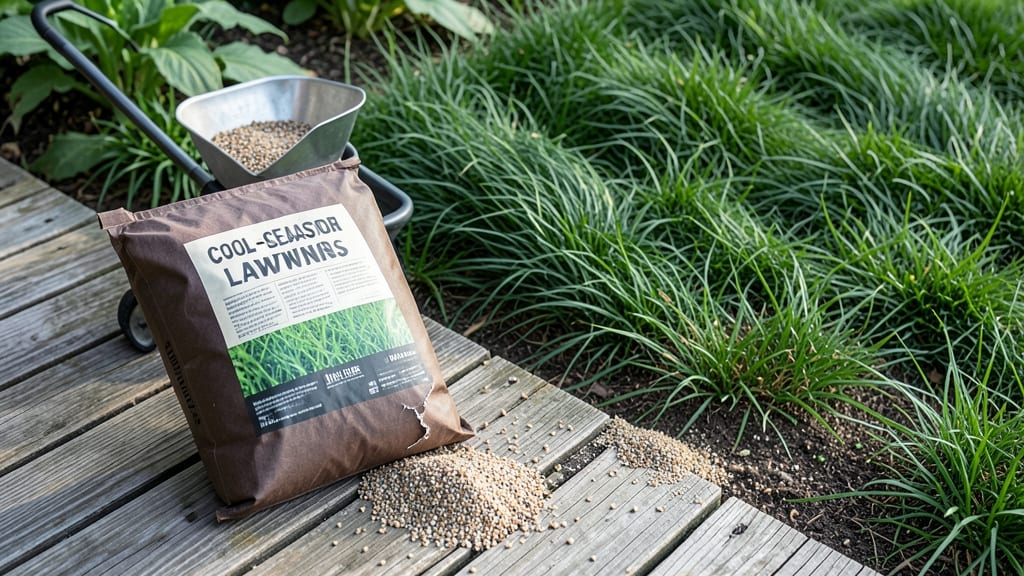
Fertilizing your lawn in Iowa at the right time means the difference between a lush, green carpet and a patchy, struggling yard 🌱 — and spring and fall are the only windows that matter.
Iowa’s unpredictable climate demands a strategic approach to lawn care—fertilizing at the wrong time can waste money and weaken your grass. Timing matters more than product choice, especially in states with harsh winters and hot summers.
Most homeowners in USDA zones 5a-5b skip the mid-summer feed, but the real secret is early spring, when soil temperatures hit 55°F and grass breaks dormancy. A single late-season boost in fall? That’s a myth in Iowa’s short growing season.
Below, I break down the exact 4-6 week schedule that keeps your lawn thick year-round, plus how to tell when your soil is ready for fertilizer—and when to hold off.
Best fertilization schedule for Iowa lawns: spring vs fall timing explained
Iowa’s cool-season grasses like Kentucky bluegrass and tall fescue thrive with precise fertilization timing. Unlike warm-season grasses, they need two key feedings—spring and fall—to build roots and withstand harsh winters. The soil temperature is your best guide: fertilize when it hovers between 50°F and 65°F for optimal nutrient absorption.
Many homeowners mistakenly fertilize in summer, thinking it’ll keep their lawn green. But high summer heat stresses grass, causing fertilizer to burn roots instead of nourishing them.
In Iowa’s USDA Zones 5a-5b, the window for spring feeding is late April to early June, while fall feeding should happen by mid-September to allow roots to harden before frost.
Regional differences matter too: Northern Iowa’s shorter growing season means you’ll push spring feeding earlier (late April), while southern Iowa can wait until early May. Clay-heavy soils common in Iowa also require extra attention—test your soil first to avoid over-fertilizing.
Here’s how to align your schedule with Iowa’s climate and grass types:
| Fertilization Window | Grass Type | Soil Temp Trigger | Iowa Region | Key Goal |
|---|---|---|---|---|
| Late April - Early June | Cool-season (Kentucky bluegrass, tall fescue) | 50°F - 65°F | North: Late April South: Early May |
Root development |
| Mid-September | Cool-season (all) | 60°F - 70°F | Statewide (before frost) | Winter hardiness |
| Avoid summer (June-August) | Cool-season | Above 75°F | All regions | Prevents burn |
| Early spring (March) | Warm-season (Bermuda, Zoysia) | 55°F+ | Southern Iowa | Early growth |
For cool-season grasses, focus on a high-nitrogen fertilizer (24-0-5 or 30-0-4 ratio) in spring to fuel rapid growth.
In fall, switch to a low-nitrogen, high-potassium blend (10-0-20) to strengthen roots. Warm-season grasses like Bermuda grass need fertilization in early spring (March in southern Iowa) and late summer (August) for fall color.
Pro tip: Water deeply 24 hours before and after fertilizing to help nutrients penetrate Iowa’s dense clay soil.
Avoid fertilizing if rain is forecasted within 48 hours—runoff wastes product and pollutes local waterways. Northern Iowa lawns benefit from a third light feeding in late August to boost fall color before dormancy.
Timing isn’t just about months—it’s about grass activity. Fertilize when you see new growth in spring (usually 2-3 weeks after mowing) and when daytime temps drop below 80°F in fall. Overlooking these cues can leave your lawn vulnerable to disease and drought during Iowa’s extreme weather swings.
One common mistake? Skipping soil tests. Iowa’s pH often runs acidic (5.0-6.0), which locks out nutrients. If your test shows pH below 6.5, apply lime in fall before fertilizing. For sandy soils (common in western Iowa), use a controlled-release fertilizer to prevent quick nutrient loss.
Remember: Less is more in Iowa’s climate. A 4-6 week interval between feedings in growing season keeps grass healthy without overloading the soil. And always calibrate your spreader—most homeowners apply 2-3x more fertilizer than needed, harming lawns and the environment.
🌱
5 Signs your Iowa lawn needs fertilizer (and when to act)
If your Iowa lawn looks tired or patchy, it might be starving for nutrients—especially after a long winter or summer drought. Iowa’s clay-heavy soils and extreme temperature swings can lock out essential nutrients, leaving grass weak and vulnerable.
Before reaching for fertilizer, check for these five key warning signs that your lawn is begging for a nutrient boost.
Iowa’s cool-season grasses like Kentucky bluegrass and tall fescue thrive with proper fertilization, but timing is everything.
Applying fertilizer too early or late can harm your lawn, while waiting too long lets weeds take over. Soil testing before fertilizing is the smartest move—most Iowa soils need a pH adjustment (ideal range: 6.0–7.0) to absorb nutrients efficiently.
- 📅 Early Spring (April): Apply high-nitrogen fertilizer (24-0-5) after last frost (April 15) when soil temps reach 55°F.
- 🌡️ Late Spring/Early Summer (May-June): Reapply light fertilizer (10-0-10) if grass shows pale green patches or slow growth.
- ⚠️ Skip Summer Fertilizing: Avoid feeding during drought or heatwaves (July-August) to prevent burn damage.
- 🍂 Early Fall (September): Apply slow-release fertilizer (20-0-5) to strengthen roots before first frost (October 15).
- ❄️ Winter (November-March): Do not fertilize—grass is dormant and won’t absorb nutrients.
One of the first signs your lawn needs fertilizer is a dull, yellowish-green color. Healthy Iowa grass should be deep green and vibrant, especially in spring and fall. If your lawn looks washed out or pale, it’s likely lacking nitrogen, the nutrient responsible for lush growth.
Test a small patch—if it doesn’t perk up within 7–10 days after watering, fertilization is needed.
Slow or uneven growth is another red flag.
If your lawn grows in thin patches or bare spots persist despite regular mowing, your grass isn’t getting enough nutrients to recover. Weed intrusion, like clover or dandelions, also signals weak grass—weeds thrive where grass struggles. Mow high (3–4 inches) to shade out weeds while testing soil for phosphorus and potassium deficiencies.
Iowa’s clay soils can compact over time, reducing nutrient absorption. If your lawn feels spongy or muddy when walked on, aerate before fertilizing to break up compaction.
Water deeply 24 hours before applying fertilizer to help nutrients penetrate the soil. Overwatering after fertilization can wash away nutrients, so stick to 1 inch per week (including rain) afterward.
Don’t ignore thatch buildup—a layer thicker than ½ inch blocks water and nutrients from reaching roots. Rake or dethatch in early spring before fertilizing to improve absorption. If your lawn has brown patches that don’t recover after mowing, it may be suffering from iron or nitrogen deficiency.
A soil test kit (available at local garden centers) costs $20–$30 and saves money by preventing over-fertilization.
Act fast if you spot these signs—Iowa’s growing season is short, and missed opportunities can leave your lawn struggling for years.
Start with a soil test, then fertilize in early spring or fall for the best results. Patience is key: Grass may take 2–4 weeks to show improvement after feeding, so avoid reapplying too soon.