
Lawn
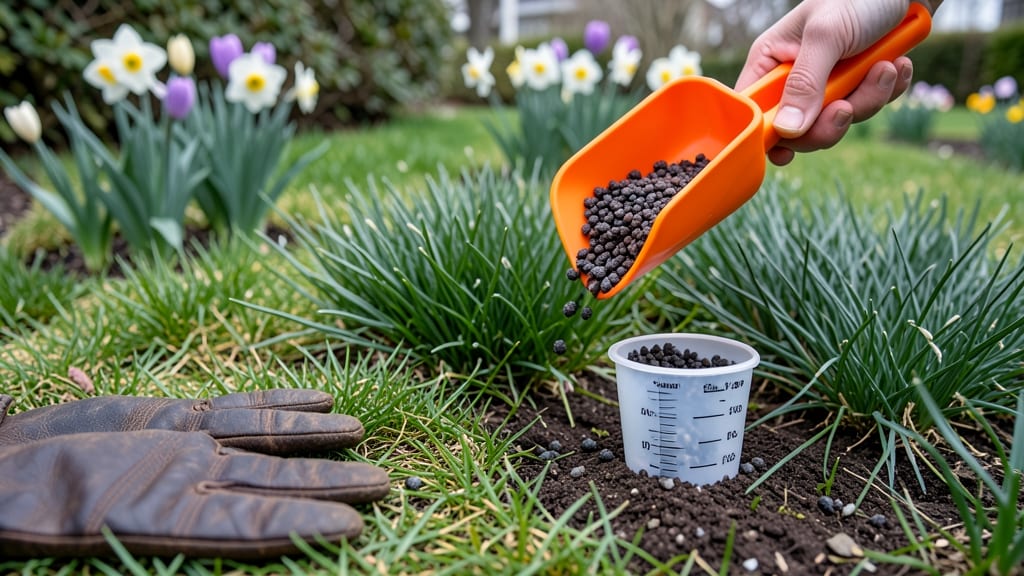
Fertilizing your lawn in the spring at the right time is the key to stronger roots and lusher growth all season.
Spring lawn care can make or break your grass’s health all year—but timing your first fertilization wrong could waste money and even harm your lawn.
Whether you’re in Zone 6 or further south, the window between late March and early April is when your lawn grass 🌱 truly wakes up and starts growing.
If you fertilize too early, the cold soil won’t absorb nutrients, and if you wait too long, you miss the critical growth spurt.
The right timing depends on your grass type (cool-season vs. warm-season) and local climate, but the goal is always the same: feed your lawn when it’s ready to use those nutrients.
Below, I’ll break down the exact signs your lawn is ready, the best fertilizer types for spring, and how to avoid common mistakes that leave your grass looking patchy or burned. Let’s get your lawn off to the strongest start.

The optimal spring fertilization timeline for cool-season vs. warm-season grasses
Timing your lawn’s spring fertilization is like catching a wave—too early and you’ll wash away nutrients, too late and you miss the growth surge. Cool-season grasses (like Kentucky bluegrass and fescue) and warm-season grasses (like Bermuda and Zoysia) have opposite schedules because their dormancy cycles differ.
Get this wrong, and you’ll either burn tender shoots or feed dormant grass that won’t use the nutrients.
Your soil temperature is the best calendar for spring fertilization. For cool-season grasses, aim for 50-55°F soil temps—that’s when roots wake up but tops are still short.
In the South, this could be as early as February, while in the North, it might not happen until late April. Warm-season grasses, however, need to wait until soil hits 65-70°F, signaling their active growth phase.
Rainfall patterns also shift your timeline. In dry climates, fertilize just before a predicted rain to help nutrients soak in. In wet regions, hold off until soil dries slightly to avoid runoff.
My Zone 6 lawn (central U.S.) typically gets its first feeding in early April, but I always check soil temps first—no guessing!
| Grass Type | Ideal Soil Temp | Best Month (North) | Best Month (South) | Fertilizer Type |
|---|---|---|---|---|
| Cool-Season (Fescue, Bluegrass) | 50-55°F | March-April | February-March | High-nitrogen (24-0-5) |
| Warm-Season (Bermuda, Zoysia) | 65-70°F | May-June | April-May | Balanced (16-4-8) |
For cool-season grasses, split your spring feeding into two applications: the first when grass is 3-4 inches tall (early spring), and a second 6-8 weeks later to sustain growth.
Warm-season grasses only need one late spring feeding—their roots are still shallow, so focus on slow-release fertilizers to avoid burning.
Regional differences matter. In northern states (like Minnesota or Maine), wait until after the last frost—usually mid-April. In southern states (like Texas or Florida), you might fertilize as early as January for warm-season grasses.
Pro tip: Use a soil thermometer ($10 at garden centers) to track temps instead of relying on the calendar.
Mistakes like fertilizing dormant grass or before rain can waste nutrients or harm your lawn. Always water deeply after applying to activate nutrients, and avoid fertilizing if your grass is brown or brittle—it’s not ready.
I once fertilized my fescue in late February when it was still semi-dormant, and ended up with yellow patches for weeks.
Organic options like composted manure or fish emulsion release nutrients slower, making them safer for early spring. Synthetic fertilizers work faster but require precise timing. My Kentucky bluegrass thrives with a slow-release granular in early April, followed by a light liquid feed in June.
Adjust based on your grass type and local climate!
Don’t forget to mow before fertilizing—taller grass (3+ inches) absorbs nutrients better. And if your lawn has thatch buildup (that spongy layer between soil and grass), aerate first to let nutrients reach roots. A core aerator ($50 to rent) makes this easy for DIYers.
By following these timelines, you’ll double your grass’s growth potential while keeping weeds at bay. The key? Know your grass type, check soil temps, and feed when roots are hungry—not when they’re sleeping. Your lawn will thank you with deeper roots and greener blades all season. 🌱
5 Signs your lawn is ready for spring fertilization (and what to do if it’s not)
Spring is the perfect time to give your lawn the nutrients it needs to thrive—but rushing into fertilization too soon can do more harm than good. Fertilizing at the wrong stage risks burning tender grass blades or wasting expensive nutrients.
Instead, look for these clear signs of readiness before reaching for that bag of fertilizer.
First, check your soil temperature. Grass roots only absorb nutrients effectively when soil stays consistently above 50°F (10°C) for at least a week. In most regions, this happens between late March and early May, but colder northern zones may need to wait until May.
Use a soil thermometer to avoid guessing—this simple tool can save you from costly mistakes.
Next, observe your grass’s growth stage. Healthy spring lawns show green regrowth after winter dormancy, with blades reaching about 2-3 inches tall. If your grass is still brown and brittle, it’s not ready.
Wait until you see at least 25% green coverage before fertilizing, as dormant grass can’t utilize nutrients properly.
Wait until soil stays above 50°F (10°C) for 7+ days.
Grass should show 25-50% green coverage after dormancy.
Soil should be slightly moist (like a damp sponge).
Weeds sprouting means grass is actively growing.
Avoid fertilizing if frost is forecasted within 48 hours.
Don’t overlook moisture levels—your lawn needs to be slightly moist (not soggy) for fertilizer to absorb properly. Water your lawn 24 hours before applying fertilizer to prepare the soil.
If your area has had recent heavy rain, wait until the ground dries out to avoid runoff, which can pollute local waterways and waste your investment.
If you’re still unsure, check for weed activity. When weeds like crabgrass or dandelions start popping up, it’s a sign your grass is breaking dormancy and growing. This is your cue to fertilize!
Weeds compete for nutrients, so feeding your lawn now helps it outpace them. Just be sure to use a pre-emergent herbicide (if needed) before fertilizing to prevent weed seeds from germinating.
What if your lawn isn’t ready yet? If soil is still cold or grass remains dormant, hold off on fertilizing until conditions improve. Instead, focus on light aeration or topdressing with compost to prepare the soil.
Over-fertilizing a dormant lawn can lead to nutrient burn and even kill grass. Patience now means a healthier, greener lawn later in the season.