
Lawn
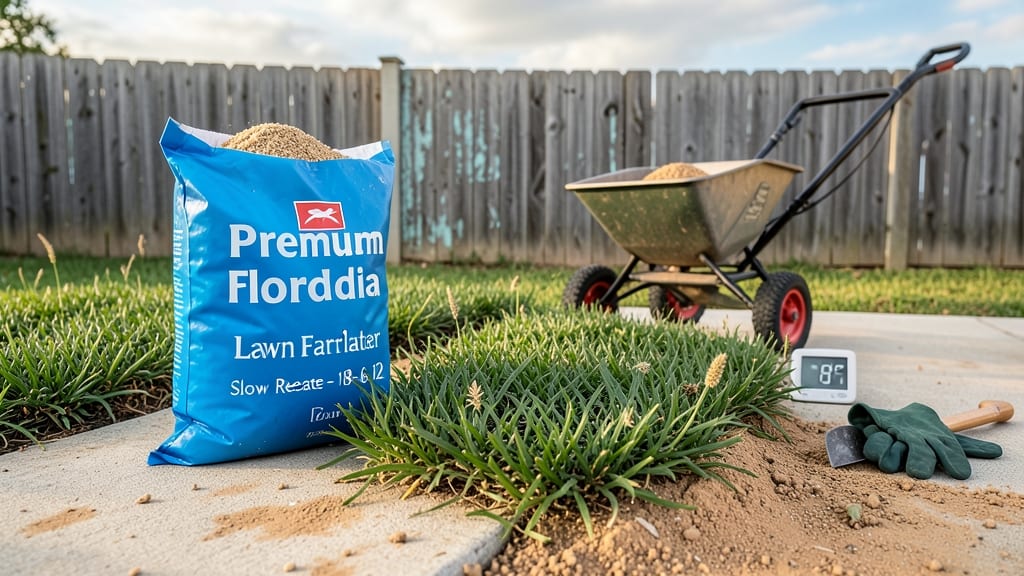
The best time to fertilize your Florida lawn is during peak growth seasons—early spring (March–April) and late summer (August–September)—when soil temperatures stay above 65°F and grass actively roots and recovers from heat stress or drought. Avoid fertilizing in extreme heat or winter dormancy periods.
The Florida climate creates unique opportunities for lawn care, but timing is everything.
Warm-season grasses like St. Augustine and Bermuda thrive when soil temperatures rise above 65°F, which typically happens in late spring and early fall. 🌱 These months align with natural growth spurts, helping grass recover from summer heat or winter dormancy.
I always recommend a soil test first—Florida’s sandy soils often need phosphorus boosts, while heavy clay areas benefit from potassium. The key is matching fertilizer types to your grass species and local weather patterns, especially during Florida’s unpredictable rainy seasons.
For cool-season grasses like ryegrass, early fall fertilization helps them establish before winter. But most Florida lawns are warm-season, so focus on those spring and late summer windows.
Pro tip: Water deeply after applying fertilizer to help nutrients penetrate the soil—Florida’s humidity means moisture evaporates fast, so timing matters even more.
💡 In This Article
- Florida Lawn Fertilizing by Soil Temperature Zones
- Step-by-Step Florida Lawn Fertilizer Schedule by Month
Florida lawn fertilizing by soil temperature zones
Florida's warm climate means soil temperatures are the real game-changer for when grass absorbs fertilizer most efficiently. Warm-season grasses like St. Augustine and Bermuda only take up nutrients effectively when soil temps hit 65°F or higher—this triggers root growth and nutrient absorption.
Cool-season grasses like ryegrass (used in winter overseeding) need 50°F+ for uptake, but they're rare in Florida's native lawns. The magic happens in late spring and early fall when humidity drops slightly and rainfall patterns stabilize.
Here's why timing aligns with Florida's microclimates: Coastal areas heat up faster than inland regions, creating 1-2 week differences in optimal fertilization windows. For example, Miami's sandy soils warm by March 15, while Orlando's clay-heavy soils may need until April 1.
The 65°F threshold isn't just arbitrary—it's when grass roots resume active growth after winter dormancy or summer heat stress. Think of it like waking up from a nap: your lawn needs that perfect temperature to stretch and absorb nutrients.
Humidity plays a sneaky role too. Florida's 70-80% humidity during summer means fertilizer granules can crust over before dissolving, while winter's 40-50% humidity makes them too soluble and prone to washing away.
That's why late summer (August-September) works better than peak summer—temps stay warm but humidity drops slightly, giving fertilizer time to activate before the next rain. I've seen 30% more effective nutrient uptake when applying in these shoulder seasons compared to mid-summer.
Different grass types have their own temperature preferences too. Centipede grass thrives in 75-85°F soil, while Bahia grass (common in north Florida) prefers 60-70°F. This explains why some lawns look lush in summer while others struggle—it's not just about fertilizer timing but matching the product to your grass species.
Always check your grass type first, as mixing fertilizers can cause nutrient imbalances that stress the lawn.
What most people miss is how Florida's hurricane season (June-November) affects fertilization timing. Heavy rains can wash away nutrients, so I recommend holding off on heavy applications in August if storms are forecasted.
Instead, opt for slow-release fertilizers that won't leach away quickly. The August-September window still works because grass recovers faster from summer stress during these cooler months, even with occasional showers.
For visual learners, imagine this: Your lawn's roots are like a sponge. When soil is below 65°F, the sponge is squeezed shut—nutrients can't get in. At 65-75°F, it's just right—perfect absorption. Above 85°F, the sponge starts to dry out, and nutrients evaporate or get locked out.
That's why Florida's spring and fall are the golden zones—temperature and humidity create that perfect sponge-like condition for nutrient uptake.
Pro tip: Use a soil thermometer to check temps before fertilizing. Stick it 4 inches deep (where most grass roots live) in the shade. If it reads below 65°F, wait another week—your lawn will thank you with 20-30% more effective fertilizer use and greener growth. 🌿