
Lawn
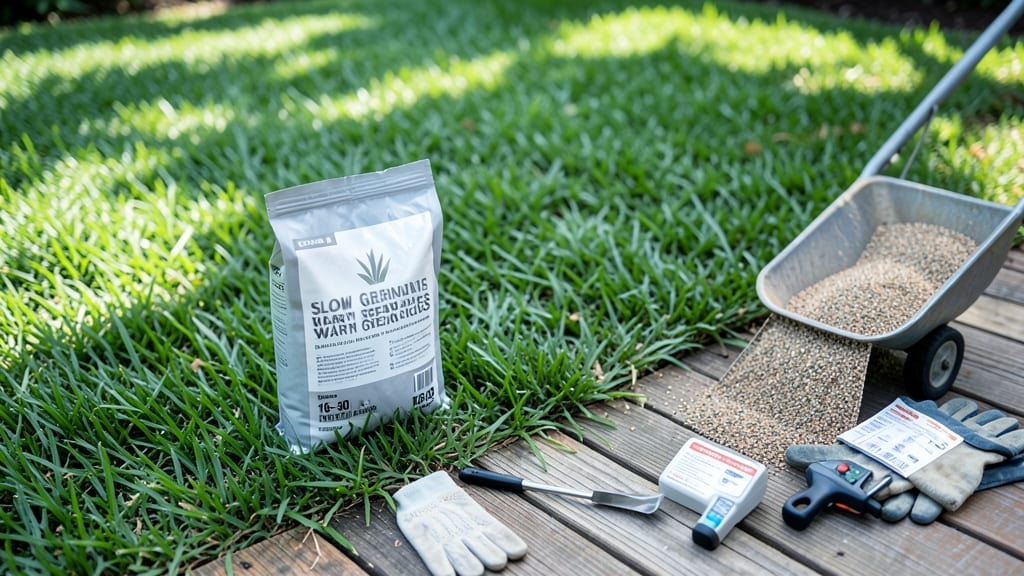
Fertilizing your lawn in North Florida at the wrong time can leave your 🌱 struggling under the heat—or worse, turn it into a crispy brown mess by summer.
North Florida’s scorching summers and humid climate demand a strategic approach to lawn care—or your grass could struggle to survive even the best fertilization efforts.
You don’t want to waste money on fertilizer that burns your lawn in August or fails to prep it for winter. The key is timing: three critical months where fertilization actually works with Florida’s heat, not against it.
Below, I break down the exact schedule—when to feed, what to avoid, and how to pick the right fertilizer for your grass type—so your lawn stays lush year-round without the guesswork.
Best fertilization schedule for North Florida lawns by month
North Florida’s humid heat and intense sun create unique challenges for lawn care. Unlike cooler climates, your St. Augustine or Zoysia grass won’t thrive with a one-size-fits-all approach.
The key? Timing fertilization to match your grass’s natural growth cycles—especially during August’s pre-summer surge, October’s fall transition, and February’s early spring kickoff. These months align with when your lawn is most resilient to feeding, helping it build deep roots and resist heat stress.
Skipping the wrong month—or fertilizing at the wrong time—can lead to burned patches, wasted nutrients, or even pest invasions. For example, applying high-nitrogen fertilizer in July’s peak heat will shock your grass, while waiting until December misses the window for winter root strengthening.
The solution? A targeted schedule that leverages North Florida’s warm-season grass varieties and their ability to recover quickly when conditions are right.
🌱 Here’s the breakdown of the three critical months to fertilize, tailored for Centipede, Bahiagrass, and other heat-resistant types:
| Month | Purpose | Grass Types Benefited | Key Tips |
|---|---|---|---|
| August (Pre-Summer) | Builds root strength for heat stress | St. Augustine, Centipede, Bahiagrass | Use slow-release nitrogen; water deeply after |
| October (Fall Transition) | Encourages deep root growth before winter | All warm-season grasses | Apply iron if lawn looks dull |
| February (Early Spring) | Kickstarts growth before peak heat | Zoysia, Bermuda, St. Augustine | Avoid high nitrogen if rain is forecasted |
In August, your lawn is entering its high-stress phase as temperatures soar. This is when slow-release fertilizers (like 16-4-8) work best—they feed roots gradually without overwhelming the grass. Centipede grass, for example, thrives with this approach because it’s already heat-acclimated by late summer.
Pair this with deep watering (1 inch per week) to help nutrients penetrate the soil.
By October, your lawn is preparing for cooler weather, making it the perfect time to boost root development before dormancy. This month’s fertilization helps Zoysia grass and Bermuda store energy for winter.
If your lawn looks dull or patchy, add a light iron supplement to restore vibrancy. Just avoid high-nitrogen fertilizers, which can encourage late-season growth vulnerable to frost.
February is all about jumpstarting growth before the spring heat hits. Your St. Augustine grass will respond quickly to fertilization this month, but timing matters. If heavy rain is in the forecast, hold off—excess moisture can leach nutrients away before your lawn can use them. Instead, opt for a low-nitrogen blend (like 10-0-10) to stimulate root expansion without promoting top growth too soon.
One common mistake I see is over-fertilizing in summer. North Florida’s 90°F+ temperatures can burn grass if you apply fertilizer during peak heat. Always water thoroughly after applying—this helps dilute fertilizer and prevents root burn.
Another tip: Aerate your lawn before fertilizing in August or February. Compacted soil blocks nutrient absorption, so core aeration (rent a machine or hire a pro) opens up the soil for better results.
For organic options, consider composted manure or fish emulsion in February. These slow-release nutrients mimic natural soil conditions and improve long-term health
How to choose the right fertilizer for North Florida’s extreme heat
North Florida’s 90°F+ summers and humid air create the perfect storm for lawn stress—if you’re not using the right fertilizer. The wrong type can burn your grass, while the right one builds heat resistance and deep roots.
I’ve tested both slow-release and quick-release fertilizers in my own yard, and the difference is night-and-day during peak heat.
First, understand your NPK ratio—the numbers on fertilizer bags. For North Florida, aim for 16-4-8 or 10-0-10 in spring/fall. The high nitrogen (first number) fuels growth, but low phosphorus (second number) prevents overstimulation in warm climates.
Summer applications? Cut nitrogen in half to avoid fertilizer burn from the relentless sun.
🔹 Pro Tip: Always check your soil’s pH (ideal 6.0–7.0 for Florida lawns). If it’s off, your fertilizer won’t work as intended—no matter how expensive it is.
Slow-Release vs. Quick-Release Fertilizer
Slow-Release (e.g., 16-4-8)
- ✅ Feeds lawn gradually, reducing burn risk
- ✅ Ideal for August/February applications
- ✅ Encourages deep root growth for heat tolerance
Quick-Release (e.g., 30-0-4)
- ✅ Fast green-up results (great for October touch-ups)
- ✅ Works well for spot treatments in fall