
Fertilization
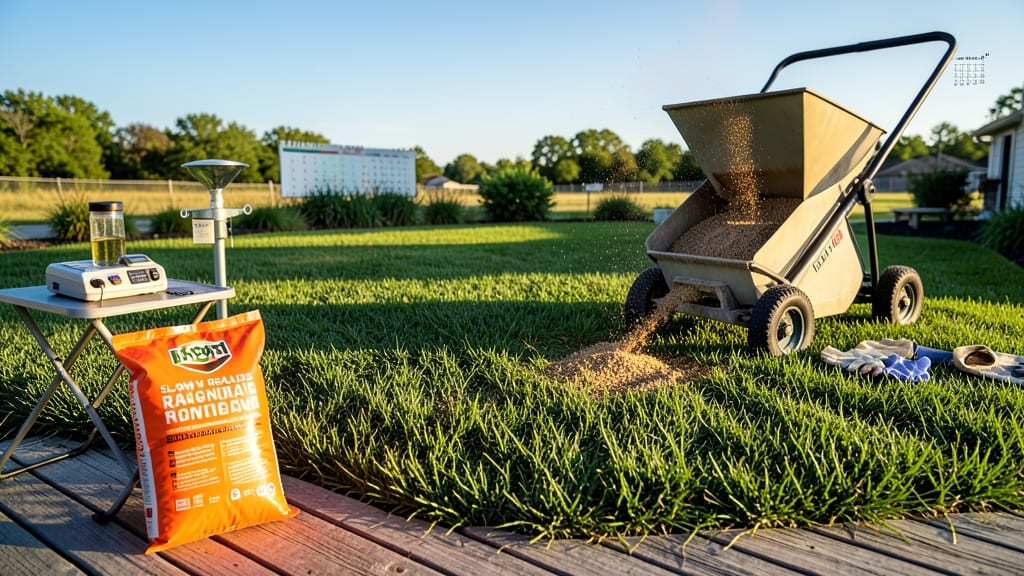
To fertilize lawns in North Texas, time it by grass type: cool-season grasses like fescue thrive with feedings in early fall (September-October) and late winter (February), while warm-season grasses like Bermuda or Zoysia need fertilization in early spring (March-April) and late summer (July-August). Adjust schedules based on soil moisture and weather to prevent stress during extreme heat or drought.
The key difference between these schedules comes down to how each grass type responds to North Texas' climate. Cool-season grasses grow actively during cooler months, so they need nutrients when they're most vulnerable—just before winter dormancy and right as they wake up in spring.
Warm-season grasses, on the other hand, ramp up growth when temperatures rise, making late summer the perfect time to support their recovery after summer stress. 🌱 I've seen firsthand how skipping these windows can leave lawns thin or patchy, especially during our hot summers when grasses struggle without proper nourishment.
For practical application, start by testing your soil's pH and nutrient levels before applying any fertilizer. North Texas soils often need a boost of phosphorus and potassium to support strong root development, particularly for warm-season grasses battling our intense summer heat.
Using a slow-release fertilizer during early spring applications helps prevent nutrient runoff during our frequent spring rains, while a quick-release option in late summer gives warm-season grasses the immediate boost they need to thicken up before winter dormancy.
💡 In This Article
- North Texas Grass Types and Fertilization Timing Science
- Step-by-Step Fertilization Guide for North Texas Lawns
North Texas grass types and fertilization timing science
Cool-season grasses like tall fescue and Kentucky bluegrass thrive when temperatures dip below 75°F, which is why they need fertilization during North Texas' mild fall and winter months. These grasses enter dormancy as soil temperatures drop below 50°F, but they still require nutrients to rebuild roots before winter.
The September-October window coincides with their peak growth before dormancy, while the February feeding jumpstarts spring recovery when soil temperatures rise above 55°F. 🌱
Warm-season grasses like Bermuda and Zoysia, however, follow a completely different cycle. They remain dormant during winter but wake up aggressively when soil temperatures exceed 65°F in late winter/early spring. The March-April fertilization supports their rapid growth before summer heat arrives.
Their second feeding in July-August helps them recover from summer stress—when roots may have depleted nutrients fighting drought and heat. This timing also aligns with their natural growth surge before cooler weather slows them down.
North Texas' climate plays a critical role in these schedules. Our summers often bring 100°F+ temperatures and drought conditions, which can burn grass if fertilized during peak heat. The late summer feeding for warm-season grasses happens just before rainfall typically increases in September, giving nutrients time to absorb without runoff.
Meanwhile, cool-season grasses benefit from fall fertilization when temperatures are mild (60-80°F) and rainfall is more consistent, allowing nutrients to penetrate deeply.
Soil pH and nutrient depletion further refine these timings. North Texas soils are often alkaline (pH 7.5-8.5), which can lock out essential nutrients like phosphorus and iron. Testing your soil before fertilizing helps determine if you need to adjust pH or focus on specific nutrients.
For example, warm-season grasses typically need higher potassium levels to handle summer stress, while cool-season grasses benefit more from nitrogen for leaf growth during their active periods.
What most homeowners don't realize is how soil temperature triggers these growth cycles. Warm-season grasses won't respond to fertilizer until soil temperatures reach 65°F, while cool-season grasses become dormant below 50°F.
Using a soil thermometer can help you pinpoint the exact moment to fertilize—applying too early can waste nutrients, while waiting too long may leave your lawn nutrient-deficient during critical growth windows. 🌡️
Consider this real-world example: A neighbor of mine fertilized his Bermuda grass in June during a heatwave, and within days, the grass turned brown and crispy. The high temperatures caused the fertilizer to burn the roots before they could absorb nutrients.
We switched to a late July application, and his lawn recovered beautifully by August. This illustrates why timing is everything in North Texas' extreme climate.