
Fertilization
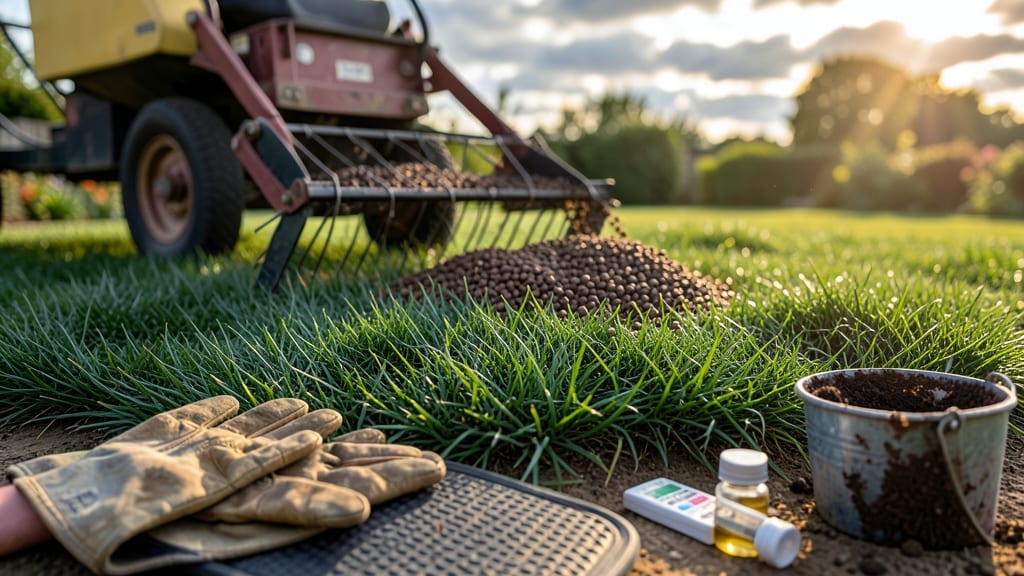
The best time to fertilize your lawn is early spring and late fall, when grass roots are actively growing and absorbing nutrients most efficiently.
If you’ve ever spread fertilizer in the heat of summer or deep winter only to see it wash away or sit unused, you know timing is everything. The difference between a thick, vibrant lawn and one that struggles to stay green often comes down to when—and how—you feed it.
In USDA Zone 6a, where many homeowners live, the ideal window runs from March through September, with peak absorption in early spring and early fall.
But not all grass types thrive on the same schedule—cool-season grasses like Kentucky bluegrass need feeding in spring and fall, while warm-season varieties like Bermuda grass respond better to summer applications.
Below, you’ll find a climate-specific schedule for fertilizing your lawn, including when to skip feeding entirely, how to adjust for drought or extreme heat, and the one mistake that kills grass faster than overwatering. Let’s get your lawn growing stronger, not just greener.
Optimal fertilization windows by climate zone: month-by-month guide
Fertilizing your lawn at the wrong time can leave your grass weak, brown, or even dead—despite your best efforts. The key to a lush, resilient lawn lies in understanding your climate zone and the unique needs of your grass type.
Cool-season grasses (like Kentucky bluegrass or fescue) thrive in northern regions, while warm-season grasses (such as Bermuda or Zoysia) dominate southern climates. Even within these categories, temperature and rainfall dictate the best fertilization windows.
Grass absorbs nutrients most efficiently when soil temperatures hover between 50°F and 85°F. In cooler climates, this means fertilizing in early spring and fall when grass is actively growing but not stressed by heat.
In warmer zones, summer fertilization becomes critical, but timing must avoid drought or extreme heat. Let’s break down the month-by-month schedule tailored to your region and grass type to maximize absorption and minimize waste.
🌱 Pro Tip: Always water your lawn deeply 24-48 hours before and after fertilizing to help nutrients penetrate the soil and reduce runoff. This simple step can double the effectiveness of your fertilizer.
| Climate Zone | Grass Type | Best Fertilization Months | Key Soil Temp Range | Rainfall Consideration |
|---|---|---|---|---|
| Cool (Northern) | Cool-Season (Fescue, Bluegrass) |
Early March
Late April Mid-June Late August October |
50°F–75°F | Avoid fertilizing during heavy rain; wait for dry, mild days. |
| Warm (Southern) | Warm-Season (Bermuda, Zoysia) |
Late April
June August Early October |
70°F–85°F | Fertilize in early morning to prevent evaporation; avoid drought periods. |
| Transition (Mid-Atlantic) | Mix of Cool/Warm (Ryegrass, Centipede) |
Early March
Late May July September |
55°F–80°F | Monitor soil moisture; adjust timing based on local frost dates. |
In cool-season zones, early spring fertilization (around March) jumpstarts growth after winter dormancy. A second application in late April supports rapid recovery, while mid-summer (June) and late summer (August) feedings prepare grass for fall.
The final feeding in October strengthens roots before winter. Skip fertilizing in November and December—grass won’t absorb nutrients when dormant.
For warm-season grasses, the game changes. These grasses go dormant in winter, so fertilization starts in late April to kickstart growth. June and August feedings maintain vibrancy during peak heat, while an early October application preps them for winter.
Avoid fertilizing in November or when soil temps drop below 60°F, as nutrients won’t activate.
Transition zones (like the Mid-Atlantic) require a hybrid approach. Focus on early spring and fall for cool-season grasses, while adding summer feedings for warm-season varieties. Pay close attention to soil temperature—if it’s below 55°F, hold off on fertilizing until conditions improve.
💧 Rainfall Matters: Heavy rain within 24–48 hours of fertilizing can wash away nutrients, reducing effectiveness by up to 50%. Always check the 7-day forecast before applying fertilizer, especially in regions prone to sudden downpours.
One common mistake is fertilizing during drought or extreme heat. Grass under stress can’t absorb nutrients efficiently, leading to burnt patches or uneven growth. If your area experiences consistent temperatures above 90°F, postpone fertilization until cooler days arrive.
Similarly, avoid fertilizing when frost is forecasted—nutrients won’t activate, and you’ll waste money.
To fine-tune your schedule, conduct a soil test in early spring. This reveals nutrient deficiencies and helps you choose the right NPK ratio (e.g., 30-0-4 for cool-season grasses or 16-4-8 for warm-season). Adjust your timing based on test results—soils low in phosphorus may
Signs your lawn needs fertilizer (and when to avoid it)
Your lawn speaks volumes through its color, texture, and growth patterns—yellow patches, slow recovery after mowing, or thin, patchy areas are all cries for help. These signs often indicate nutrient deficiencies, particularly nitrogen, which fuels vibrant green growth.
Before reaching for fertilizer, though, confirm the issue isn't drought stress or disease, as these require different solutions.
Another red flag is weed dominance. A healthy lawn crowds out weeds naturally, but when crabgrass or dandelions take over, it’s often a sign your grass lacks the strength to compete—usually from poor soil nutrition.
Pay attention to growth speed too: if your lawn grows just 1 inch per month instead of the ideal 2-3 inches, it’s starving for nutrients.
🌱
When Is the Best Time to Fertilize?
Cool-Season Grasses (Fescue, Bluegrass): Apply in early spring (March-April) and late fall (September-October) for root strengthening. Avoid winter fertilization—grass is dormant and can’t absorb nutrients. Warm-Season Grasses (Bermuda, Zoysia): Fertilize in late spring (May-June) and early summer (July-August), but skip fall applications to prevent winterkill.
Environmental Rule: Never fertilize during drought or extreme heat (above 90°F). Wait until soil is moist but not soggy and temperatures are moderate (60-80°F) for optimal absorption.
Seasonal timing is everything—fertilizing at the wrong time can burn roots or encourage weak growth. For example, applying high-nitrogen fertilizer in late summer stresses cool-season grasses, while fall applications for warm-season grasses can lead to winter damage.
Always check the back of your fertilizer bag for climate-specific recommendations, as regional variations matter.
Watch for soil compaction too. If your lawn feels spongy underfoot or water pools after rain, aerate 2-4 weeks before fertilizing to let nutrients penetrate deep. Compacted soil blocks root access, making fertilization ineffective. Pair aeration with topdressing (a thin layer of compost) to improve soil structure and nutrient retention.
If your lawn shows signs of fungal issues (like brown ring patch or dollar spot), hold off on fertilizer—it can worsen the problem. Instead, focus on improving air circulation and reducing moisture by adjusting your mowing height and watering schedule.
A soil test ($15-20 at garden centers) can also reveal if your lawn needs phosphorus or potassium instead of nitrogen.
Pro tip: After fertilizing, water deeply and slowly (1 inch over 24 hours) to activate nutrients. Shallow watering washes fertilizer away, wasting your investment and polluting groundwater. Time it right—early morning applications prevent evening moisture, reducing fungal risks.
✂️