
Lawn
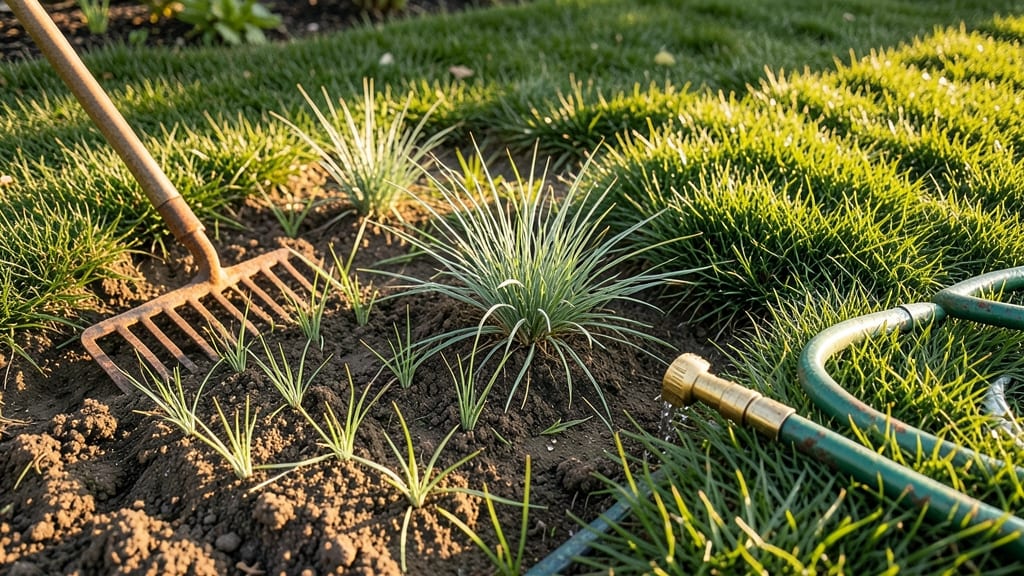
Your new lawn growing in patches isn’t a lost cause—it’s a fixable frustration. 🌱 I’ve seen bare spots transform into lush green with the right soil prep, and I’ll show you exactly how to diagnose and solve the problem before it spreads.
The culprit is usually one of three things: compacted soil blocking roots, uneven seeding that leaves gaps, or inconsistent watering that dries out certain areas first. A simple soil test reveals what’s missing—often nitrogen, phosphorus, or organic matter—and a few targeted steps turn those patches into growth zones.
You’ll end up with a lawn that fills in evenly, stays green through droughts, and handles foot traffic without thinning. The secret is working with the soil’s natural layers, not against them, and I’ve got the step-by-step method that’s worked for my own patchy lawns.
This works for new seedings, thin spots in established lawns, and even problem areas under trees. Let’s get those bare patches covered for good!
Root Causes of Patchy Growth
A new lawn growing in patches can be frustrating, but understanding the science behind it helps you take precise action. Below are the most common culprits—each with a clear explanation of why they stymie even grass coverage.
Uneven soil prep is the #1 reason for patchy lawns. If the ground isn’t properly aerated or leveled before seeding, seeds may land in shallow pockets or compacted areas where roots can’t penetrate.
Why it happens:
- Compaction (from foot traffic, heavy equipment, or clay soil) crushes soil particles, reducing oxygen and water flow to roots.
- Uneven seedbeds create microclimates—some spots stay wet while others dry out too fast.
- Improper tilling can leave clumps or hardpan layers, blocking seed-to-soil contact.
Actionable fix: Test soil compaction by pressing a screwdriver into the ground—if it resists beyond 2 inches, aerate with a core aerator. For clay-heavy soil, mix in sand or compost (30% organic matter improves drainage).
Grass thrives in a pH range of 6.0–7.0. If your soil is too acidic (low pH) or alkaline (high pH), essential nutrients like nitrogen, phosphorus, and potassium (NPK) become locked away, starving your lawn.
Why it happens:
- Acidic soil (pH < 6.0): Common in regions with high rainfall (e.g., Pacific Northwest). Aluminum and manganese toxicity can occur, stunting root growth.
- Alkaline soil (pH > 7.0): Often found in dry climates (e.g., Southwest). Calcium and magnesium buildup ties up phosphorus, critical for seed germination.
- Lack of organic matter: Soil without compost or aged manure lacks microbial activity to break down nutrients.
Actionable fix: Test your soil with a home kit or lab test (costs ~$20). Adjust pH with:
- Lime (for acidic soil): Apply 5–10 lbs per 1,000 sq ft (follow package rates).
- Sulfur (for alkaline soil): Use 1–2 lbs per 1,000 sq ft in fall.
- Slow-release fertilizer: Choose a high-phosphorus (P) blend (e.g., 10-20-10) to kickstart seed growth.
Watering inconsistencies create dry spots or waterlogged zones, both of which kill seeds before they sprout or suffocate roots.
Why it happens:
- Underwatering: Seeds need constant moisture (like a damp sponge) to germinate. Skipping watering for even 24 hours can dry them out.
- Overwatering: Poor drainage causes anaerobic soil (no oxygen), leading to fungal diseases like Pythium.
- Uneven sprinkler coverage: Older sprinkler heads or clogged nozzles create dry patches where seeds fail to activate.
Actionable fix:
- Water lightly 2–3x daily (10–15 minutes per session) for the first 2 weeks after seeding.
- Check soil moisture: Stick your finger 1 inch deep—if dry, water again.
- Upgrade sprinklers: Use rotary or oscillating heads for even coverage. For slopes, consider drip irrigation.
Even before grass sprouts, soil-borne pests and pathogens can sabotage your lawn by:
- Eating seeds (grubs, rodents, birds).
- Inhibiting germination (fungi like Fusarium or Rhizoctonia).
- Competing for nutrients (weeds sprouting faster than grass).
Why it happens:
- Grubs (white larvae): Feast on seeds and young roots, leaving bare patches.
- Birds/squirrels: Dig up seeds for snacks, especially in sunny, exposed areas.
- Fungal spores: Thrive in cool, moist soil (common in spring/fall).
Actionable fix:
- Pre-treat soil with granular insect repellent (e.g., imidacloprid) 1 week before seeding.
- Use seed blankets (biodegradable netting) to deter birds/squirrels.
- Avoid overwatering to discourage fungal growth—aim for moist, not soggy.
Not all grass seeds germinate at the same rate or under the same conditions. Planting too deep (or too shallow) can also doom your lawn.
Why it happens:
- Seed type mismatch: Cool-season grasses (e.g., Kentucky Bluegrass, Fescue) need consistent moisture; warm-season (e.g., Bermuda, Zoysia) struggle in cool soil.
- Incorrect planting depth:
- Too shallow (<¼ inch): Seeds dry out or get eaten by birds.
- Too deep (>½ inch): Seeds exhaust energy trying to reach light and fail to sprout.
Actionable fix:
- Match seed to climate: Check your USDA Hardiness Zone and choose native grass blends.
- Plant at the right depth:
- Fine seeds (Fescue, Ryegrass): ¼ inch deep.
- Large seeds (Bermuda, Tall Fescue): ½ inch deep.
- Use a seed-to-soil mix: Top with lightweight compost (not heavy mulch) to protect seeds.
Grass seeds have optimal germination temps—plant too early or late, and they’ll rot or dry out before sprouting.
Why it happens:
- Planting in extreme heat (>90°F): Seeds dry out within hours.
- Planting in freezing temps (<50°F for cool-season, <60°F for warm-season): Germination stalls.
- Sudden weather shifts: A heatwave after sowing can bake seeds before roots establish.
Actionable fix:
- Cool-season grasses (Turf-type Tall Fescue, Bluegrass): Sow late summer to early fall (60–75°F soil temps).
- Warm-season grasses (Bermuda, Zoysia): Sow late spring to early summer (75–85°F soil temps).
- Use a seed starter fertilizer (high in phosphorus) to speed up root development in marginal temps.
If you applied pre-emergent weed killer before seeding, it can block grass germination for weeks or months.
Why it happens:
- Pre-emergents (e.g., pendimethalin, prodiamine) target any seed trying to sprout, including grass.
- Some herbicides linger in soil for 3–6 months, even after rain.
Actionable fix:
- Wait 3–6 months after pre-emergent application before seeding.
- Use post-emergent only (e.g., glyphosate) if killing weeds before planting—then wait 2 weeks before seeding.
- Choose "grass-safe" pre-emergents like corn gluten meal (natural, breaks down faster).
Fixing patchy grass starts here
If your new lawn is growing in uneven patches, don’t panic—there’s a solution for every cause. The key is identifying the root of the problem and taking targeted action. Below, we’ve mapped out practical fixes for the most common issues, along with prevention tips to keep your lawn lush and even. Let’s get to work! 🌱🔧
If your lawn is growing in thin patches, soil compaction could be the culprit. Compacted soil restricts root growth and water absorption, leading to weak, patchy grass.
How to Fix It:
- 🔪 Aerate the Soil – Rent a core aerator or use a manual aeration tool to create small holes (about 3–4 inches deep) across the affected areas.
This allows air, water, and nutrients to reach the roots. - 🌱 Top-Dress with Compost – After aerating, spread a thin layer (¼ inch) of high-quality compost or a soil conditioner over the area.
Lightly rake it in to blend it with the existing soil. - 💧 Water Deeply – Give the lawn a deep watering to help the compost settle and encourage root penetration.
💡 Prevention Tips:
- Avoid walking or driving on wet grass.
- Use a lawn roller only on dry soil to prevent further compaction.
- Plant grass in the spring or fall when soil is naturally softer.
Thin patches often signal nutrient deficiencies, especially in new lawns where the soil hasn’t been prepped properly. Nitrogen, phosphorus, and potassium are essential for healthy growth.
How to Fix It:
- 📊 Test Your Soil – Grab a soil test kit (available at garden centers) to identify specific deficiencies.
Common issues include low nitrogen (yellowing grass) or phosphorus (slow growth). - 👨🍳 Apply the Right Fertilizer – - For nitrogen deficiency (pale green grass): Use a quick-release fertilizer like ammonium sulfate. - For phosphorus deficiency (slow growth): Choose a fertilizer with a higher middle number (e.g., 10-20-10). - For overall health: Use a balanced slow-release fertilizer (e.g., 16-4-8) in early spring or fall. - 🌡️ Water After Fertilizing – This helps nutrients absorb into the soil.
Avoid fertilizing during extreme heat or drought.
💡 Prevention Tips:
- Conduct a soil test before seeding or sodding.
- Follow a seasonal fertilization schedule (spring, summer, and fall).
- Mix compost into the soil during initial lawn installation.
Patchy growth can also stem from inconsistent watering—either too little or too much. Grass needs about 1–1.5 inches of water per week, including rainfall.
How to Fix It:
- 🔥 Check Your Irrigation – Run your sprinklers for a short time and walk around to see which areas get soaked and which stay dry.
Adjust sprinkler heads or add extra zones if needed. - 🌧️ Water Deeply and Infrequently – Water early in the morning (4–8 AM) for 20–30 minutes, 2–3 times per week, to encourage deep root growth. - 🔪 Fix Low Spots – If water pools in certain areas, use a rake to level the soil slightly or redirect sprinkler spray.
💡 Prevention Tips:
- Install a rain gauge to monitor weekly water intake.
- Use drip irrigation for slopes or uneven terrain.
- Avoid watering during windy conditions—it leads to waste and uneven coverage.
Some grass varieties thrive in full sun, while others struggle in shade. If your lawn has patchy growth in specific areas, the grass type may not be suited for the conditions.
How to Fix It:
- 🔍 Identify Problem Areas – Walk your lawn and note where patches are thin or dying. Are they in shady spots under trees?
Sunny areas near driveways? - 🌿 Overseed with the Right Grass – - Shady areas: Choose shade-tolerant grasses like fine fescue or creeping red fescue. - Sunny areas: Opt for sun-loving grasses like Kentucky bluegrass or Bermuda grass. - 🛠️ Prepare the Soil – Before overseeding, lightly rake the area to loosen soil and remove debris.
Spread a thin layer of compost and water well.
💡 Prevention Tips:
- Research grass types before installing a new lawn.
- Mulch tree roots to reduce competition for water and nutrients.
- Consider ground covers or clover mixes for heavily shaded areas.
Grass can thin out due to pests like grubs, chinch bugs, or fungal diseases. If you see brown patches, chewed blades, or mushroom-like growths, pests or disease may be to blame.
How to Fix It:
- 🔪 Inspect the Soil – Dig up a small section of patchy grass to check for grubs or larvae.
If you find them, treat with beneficial nematodes or a grub-specific insecticide. - 🍄 Treat Fungal Issues – For diseases like brown patch or dollar spot, apply a fungicide (follow label instructions) and improve air circulation by trimming nearby plants. - 🌡️ Adjust Watering – Overwatering encourages fungal growth.
Water only when the top inch of soil is dry.
💡 Prevention Tips:
- Maintain proper mowing height (never remove more than ⅓ of the blade at once).
- Keep lawn debris and thatch levels low.
- Rotate fungicides if diseases recur seasonally.
With these targeted fixes, your patchy lawn will start filling in within weeks. The key is consistency—monitor soil health, water wisely, and choose the right grass for your climate. Soon, you’ll have a thick, uniform lawn that’s the envy of the neighborhood! 🌿✨
Frequently asked questions
Why do some patches of my new lawn stay bare while others grow?
Uneven growth usually means soil conditions vary across your yard. Compacted areas block roots, while others may have better drainage or nutrients. Check for spots where water pools or stays dry—these microclimates create perfect and poor growing zones. A simple soil test reveals if pH or nutrient levels differ between patches.
Can I fix patchy lawn growth by just adding more fertilizer?
Not always! Fertilizer helps, but patchy growth often stems from deeper issues like compacted soil or poor drainage. First test your soil (kits cost ~$20) to confirm nutrient deficiencies. If the problem persists, aerate compacted areas and improve water distribution before adding fertilizer. Over-fertilizing can actually burn young grass.
How long should I wait before overseeding bare patches?
Wait until existing grass reaches 3 inches tall and has established roots (usually 4-6 weeks after initial seeding). For established lawns with thin spots, overseed in early fall when temperatures are ideal (60-75°F) and weeds are less competitive. Lightly rake bare areas, spread seed, and keep soil consistently moist for 2-3 weeks.
Will grass grow back in patches if I just water more?
Watering helps, but inconsistent moisture creates more problems. Patchy growth needs 1-1.5 inches of water weekly (rain + irrigation), but overwatering suffocates roots. First check if your sprinklers cover all areas evenly. For existing patches, water lightly 2-3x daily for 10-15 minutes until seeds sprout, then gradually reduce frequency.
Can I use topsoil to fix bare patches in my new lawn?
Yes, but use it carefully! Spread a ¼-inch layer of high-quality topsoil over bare patches, then lightly rake to blend. Avoid thick layers—this can smother existing grass. Mix in some compost (50/50 ratio) to improve nutrient content. Water thoroughly after applying, and overseed immediately for best results.