
Lawn
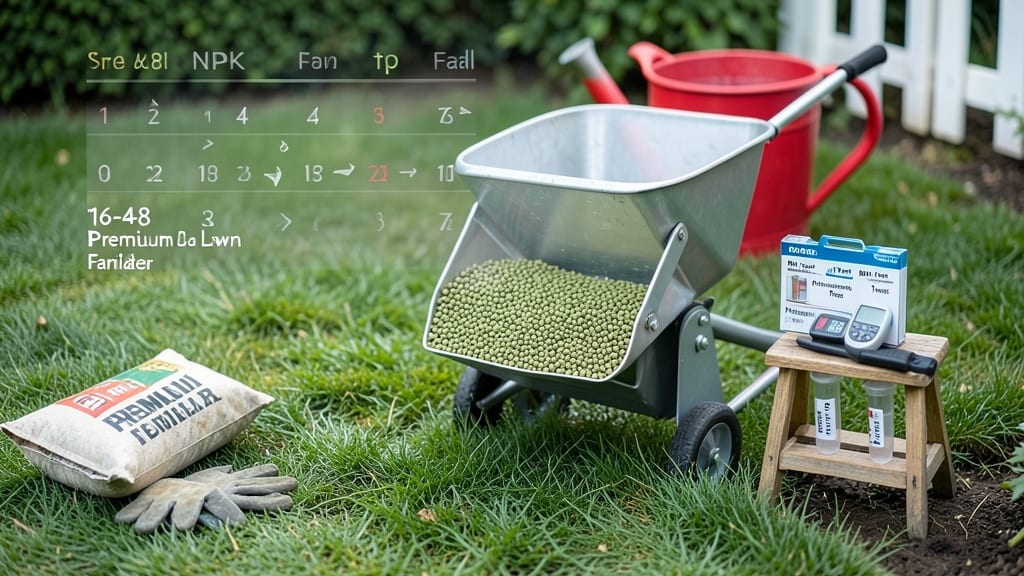
The best time to fertilize lawn grass is during its active growing seasons—spring and fall—when the roots are hungry and the weather cooperates.
Struggling to keep your lawn lush and green? Timing your lawn fertilization perfectly can make the difference between a vibrant yard and one that struggles to grow—here’s the science-backed schedule you need.
Most lawns thrive with three key feedings each year: an early spring boost to kickstart growth, a light summer touch to sustain it, and a fall feeding to strengthen roots before winter dormancy.
In this guide, I’ll break down the exact months to fertilize based on your climate, how to choose the right fertilizer for each season, and the three biggest mistakes that ruin even the best-laid plans.
Best seasons and months to fertilize lawn for maximum growth
Timing your lawn fertilization correctly is the secret to a thick, vibrant lawn that stays green all season. Unlike many plants, lawn grass grows year-round in most climates, but its nutritional needs shift dramatically with the seasons.
I’ve learned the hard way that applying fertilizer at the wrong time can waste money, harm your grass, or even invite pests. The key is understanding when your lawn is actively growing—and when it’s not—and adjusting your schedule accordingly.
Most lawn care experts agree that spring and fall are the prime fertilization windows for cool-season grasses like Kentucky bluegrass and fescue, while warm-season grasses like Bermuda and Zoysia have slightly different needs.
Your USDA hardiness zone also plays a huge role—whether you’re in the frost-prone Midwest or the mild coastal regions. Let’s break down the best months and seasons to fertilize, along with climate-specific adjustments to keep your lawn thriving.
| Season | Best Months | Fertilization Goal | Grass Type | Climate Adjustments |
|---|---|---|---|---|
| Spring | March–May | Green-up & root growth | Cool-season | Apply after last frost, when soil is 50°F+ |
| Summer | June–July | Light feed for recovery | All types | Avoid fertilizing in drought or extreme heat |
| Fall | August–September | Root strengthening | Cool-season | Apply 6–8 weeks before first frost |
| Winter | None | Dormant period | All types | Skip fertilization; grass is inactive |
| Warm Climates | Late winter & fall | Encourage growth | Warm-season | Fertilize when temps are 60°F–85°F |
Spring fertilization is all about kickstarting growth after winter dormancy. For cool-season grasses, I apply my first round of fertilizer in early spring—typically March or April—right after the first mowing of the season.
This timing ensures your lawn has the nutrients it needs to green up quickly and establish strong roots. Use a fertilizer with a high nitrogen content (25–30%) to promote leafy growth, but avoid overdoing it, as excess nitrogen can burn tender new shoots.
If you’re in a warmer climate (USDA zones 8–10), your spring fertilization window might shift to February or March, aligning with the start of your growing season. Warm-season grasses like Bermuda or Zoysia, however, don’t need spring feeding—they’ll wake up on their own when temperatures rise.
Instead, focus on late winter applications to prepare for summer growth.
Summer is tricky because extreme heat can stress your lawn. Most experts recommend a light feeding in June or July to help grass recover from spring wear, but only if your lawn shows signs of thinning or yellowing.
Avoid heavy fertilizers during peak summer months, as they can burn grass blades and attract pests. Instead, opt for a slow-release, low-nitrogen fertilizer (10–15%) and pair it with deep watering to reduce stress.
Fall is arguably the most critical fertilization window for cool-season grasses. I apply my second major feeding in late summer or early fall—typically August or September—to help grass build deep roots before winter.
This timing also prevents winterkill by ensuring your lawn enters dormancy with stored nutrients. For warm-season grasses, fall fertilization is optional but can help transition the lawn into its dormant phase smoothly.
Winter is a hands-off season for fertilization. Grass growth slows or stops entirely in cold climates, and applying fertilizer during dormancy can wash away with rain or harm soil microbes.
In mild-winter zones (7–10), you might consider a light application in December to encourage early spring growth, but this is only recommended if your grass stays active year-round.
Adjusting your fertilization schedule based on your local climate and grass type is key. For example, if you’re in the Pacific Northwest
How to choose the right fertilizer type for each fertilization window
Choosing the right fertilizer type for your lawn depends on the seasonal fertilization window and your grass’s current needs. The wrong choice can lead to burnt grass or weak growth, while the perfect match fuels lush, vibrant blades.
Let’s break down the best options for spring green-up, summer maintenance, and fall root strengthening.
First, understand the two main fertilizer categories: quick-release and slow-release. Quick-release fertilizers deliver nutrients immediately, ideal for rapid growth spurts like early spring. Slow-release options, on the other hand, provide steady nourishment over weeks or months, perfect for fall feeding or dormant-season prep.
Your choice hinges on the fertilization window and your lawn’s current growth phase.
Next, consider the NPK ratio (nitrogen-phosphorus-potassium). Nitrogen (N) promotes leafy growth, phosphorus (P) supports root development, and potassium (K) strengthens disease resistance. For example, a 30-0-4 ratio is great for spring lawn revival, while a 10-10-10 balanced blend works well for fall root growth.
Organic options like compost or manure improve soil health over time, whereas synthetic fertilizers offer precise, fast-acting results.
For spring fertilization, opt for a quick-release, high-nitrogen fertilizer like a 30-0-4 blend. This kickstarts growth after winter dormancy. Apply it in early spring when grass is actively greening up but before the heat of summer.
Water thoroughly after application to help nutrients penetrate the soil and avoid fertilizer burn.
In summer months, switch to a slow-release, low-nitrogen fertilizer with a balanced NPK ratio like 10-10-10. Heat stress makes grass more susceptible to burn damage, so a steady release of nutrients prevents sudden growth spurts.
Pair this with organic matter like compost to improve soil structure and moisture retention during dry spells.
Fall is the perfect time to focus on root strengthening. Choose a slow-release fertilizer with higher potassium, such as a 10-0-20 or 5-10-15 blend. Apply it 6-8 weeks before the first frost to give roots time to absorb nutrients and prepare for winter.
Organic options like composted manure or fish emulsion also work well to build soil health over time.
Always test your soil before fertilizing to avoid over- or under-feeding. A simple soil test kit from your local garden center can reveal nutrient deficiencies or excesses. Adjust your fertilizer choice based on the results—this ensures your lawn gets exactly what it needs for each fertilization window. 🌱