
Lawn
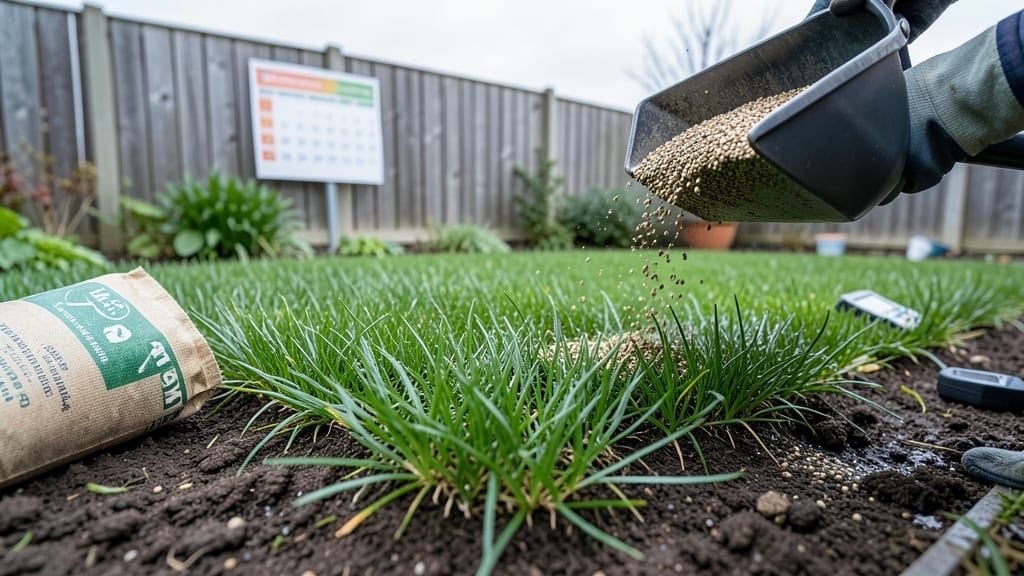
The best time to fertilize lawn grass depends on your grass type and climate—but missing this window wastes money and weakens your turf.
Picture this: you’ve spent hours mowing, watering, and weeding, only to see your lawn still looking patchy and dull. The secret? Timing your fertilizer application to match your grass’s natural growth cycles, not just when you remember to grab the bag.
Cool-season grasses like Kentucky bluegrass thrive with early fall and spring feedings, while warm-season types like Bermuda need summer applications—but get it wrong, and you’ll end up with burned patches or wasted nutrients.
In USDA Zone 6a, the ideal months are March–May and August–September, when soil temperatures and moisture levels are perfect for absorption. Skipping these windows means missing the chance to strengthen roots before winter or fuel growth during peak summer heat.
Below, I break down the exact schedule for your grass type, plus how to adjust for drought, pests, or unexpected weather.
Ready to turn your lawn from lackluster to lush? You’ll learn how to read your grass’s signals, choose the right fertilizer blend, and avoid the 5 biggest mistakes that turn feeding day into a disaster.
Optimal fertilization timing by grass type: cool-season vs. warm-season schedules
Choosing the right fertilization timing for your lawn isn’t just about throwing down fertilizer when you think of it—it’s about understanding your grass type and how it responds to seasonal changes.
Cool-season grasses like Kentucky bluegrass and fescue thrive in fall and spring, while warm-season varieties such as Bermuda and Zoysia need feeding during late spring and summer. Get this wrong, and you’ll either burn your lawn or waste money on ineffective applications.
Your USDA hardiness zone also plays a critical role. In USDA zones 3–6, cool-season grasses dominate, while zones 7–10 favor warm-season types. Even within these zones, microclimates can shift ideal fertilization windows by 2–4 weeks.
For example, a zone 6 lawn in the Pacific Northwest might need fall feeding earlier than one in Midwest due to cooler autumn temperatures.
Let’s break down the perfect fertilization schedule for each grass type, including key application windows, regional adjustments, and what to avoid during extreme heat or drought. This comparison will help you tailor your approach to your lawn’s unique needs.
| Grass Type | Best Fertilization Windows | USDA Zones 3–6 (Cool-Season Focus) | USDA Zones 7–10 (Warm-Season Focus) | Avoid These Times |
|---|---|---|---|---|
| Kentucky Bluegrass | Early fall (Aug–Sept), late spring (April–May) | Apply fall fertilizer 6–8 weeks before first frost for root growth. Spring feeding after soil warms to 55°F. | Shift fall feeding to Oct–Nov; spring feeding starts March–April. | Summer heat waves (>90°F) and dormancy periods (Dec–Feb). |
| Tall Fescue | Late summer (July–Aug), early spring (March–April) | Focus on fall for drought resistance. Spring feeding after last frost. | Use slow-release fertilizer in late spring to prevent burn. | Winter (Dec–Feb) and peak summer (June–July) unless irrigated. |
| Bermuda Grass | Late spring (May–June), early summer (July) | Minimal fall feeding; prioritize spring for recovery from winter. | Apply every 6–8 weeks from April–Sept. Use high-nitrogen for quick greening. | Fall (Oct–Nov) and winter (Dec–Feb) when dormant. |
| Zoysia Grass | Early summer (June), late summer (Aug) | Limited spring feeding; summer is primary window. | Fertilize May–Sept with low-nitrogen blends to avoid stress. | Winter (Dec–Feb) and early spring before 60°F soil temps. |
| St. Augustine | Late spring (May), early fall (Sept) | Not ideal; transition to cool-season grasses if in zones 3–6. | Feed April–June and Aug–Sept with iron supplements for color. | Winter (Nov–Mar) and peak heat (>95°F). |
For cool-season grasses, the early fall window (typically August–September) is your golden opportunity. This timing aligns with your lawn’s natural growth cycle, allowing it to store nutrients for winter and recover faster in spring.
In USDA zones 3–5, where winters are harsh, a second application in late spring (after the last frost) ensures vibrant growth before summer stress sets in.
Warm-season grasses, however, hate cold. They go dormant in fall and winter, so feeding during these months can burn roots or encourage weak growth. Instead, focus on late spring to early summer (typically May–July in zones 7–10).
For example, Bermuda grass in Texas or Florida might need monthly feedings from April–September, while Zoysia in Georgia thrives with bi-weekly applications during its active growth phase.
Regional tweaks matter. In Pacific Northwest zones 7–9, where summers are mild, warm-season grasses like Zoysia can handle fall feedings as late as October. Meanwhile, in Deep South zones 9–10, St. Augustine lawns might need a light feeding in December to maintain color during cooler spells.
Always check your local frost dates and adjust accordingly.
One critical mistake I see often? Applying high-nitrogen fertilizer during peak summer heat. This causes lawn burn and stresses roots. Instead, opt for slow-release or organic fertilizers in
Seasonal fertilizer schedule: month-by-month guide for year-round lawn health
Timing your lawn fertilizer applications is like following a recipe—get it right, and your grass thrives; get it wrong, and you might burn your turf or waste money. The best time to fertilize lawn depends on your climate zone, grass type, and seasonal growth cycles.
Cool-season grasses like Kentucky bluegrass peak in early fall, while warm-season varieties like Bermuda grass need summer feeding. Let’s break down the perfect schedule to keep your lawn vibrant all year.
Northern regions (USDA zones 3–7) focus on fall and spring applications, while southern zones (8–10) prioritize late spring to early summer feeding. Pre-emergent herbicides for weeds also fit into this schedule, typically applied in early spring or late summer depending on your region.
Pairing fertilizer with aeration in fall can boost root growth, while drought recovery might require a lighter touch in summer months.
Month-by-Month Fertilizer Schedule
- January-February: Skip fertilization. Grass is dormant in most regions; focus on light raking and clearing debris.
- March (Northern) / February (Southern): Apply pre-emergent herbicide for crabgrass and other weeds. Northern zones can add a light high-nitrogen fertilizer (10-0-10) if soil is thawed.
- April-May: Spring feeding for cool-season grasses (April) or warm-season grasses (May). Use a balanced fertilizer (16-4-8) and pair with aeration if soil is compacted.
- June-July: Southern zones: Apply slow-release fertilizer (e.g., 15-0-15) for warm-season grasses. Northern zones: Light feeding (organic options like compost tea) to avoid stressing dormant grass.
- August (Northern) / July-August (Southern): Pre-emergent herbicide for fall weeds (e.g., chickweed). Southern zones may apply a light summer feed if drought isn’t an issue.
- September-October: Fall fertilization is critical! Cool-season grasses need a high-potassium feed (5-10-15) to strengthen roots before winter. Southern zones can apply a light feed if grass is still active.
- November-December: Skip fertilization. Grass enters dormancy; focus on leaf cleanup and soil protection with mulch.
For drought recovery, adjust your schedule: skip summer feeding and instead apply a light organic fertilizer in early fall to rebuild roots. Always water deeply after fertilizing to activate nutrients and prevent burn.
In northern climates, aim for 4 applications/year (spring, summer, fall, and a light winter option if needed), while southern climates thrive with 3 applications (late spring, summer, and early fall).
Pro tip: Test your soil in early spring to check pH and nutrient levels. If your lawn has thatch buildup (over ½ inch), dethatch before fertilizing to ensure nutrients reach the roots. Pairing fertilizer with overseeding in fall can also fill in thin patches for a thicker lawn next season.
Remember, organic fertilizers like compost or manure tea release nutrients slower, so apply them more frequently (every 4–6 weeks) compared to synthetic granules.
And always follow the 3-1-1 rule: apply fertilizer in early morning or evening, water 1 inch immediately after, and avoid fertilizing if rain is forecasted within 24 hours.