
Lawn
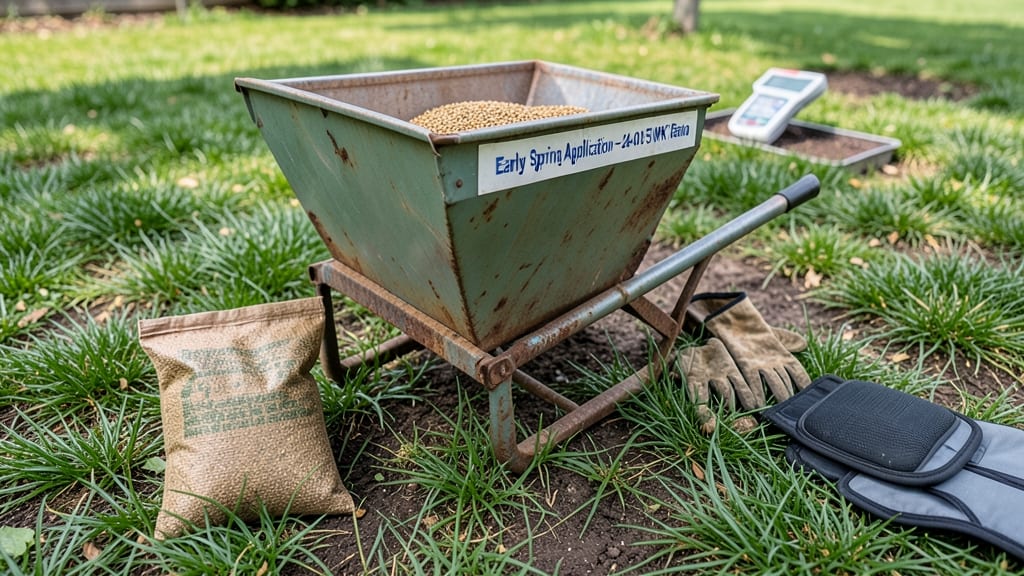
To first fertilize your lawn in spring, wait until soil temperatures reach 50–55°F (10–13°C), which usually occurs 4–6 weeks after the last frost or when grass shows signs of active growth. Opt for a slow-release fertilizer to encourage strong root development without damaging tender new shoots.
Timing your first spring fertilization depends on two key factors: soil warmth and grass activity. 🌱 When temperatures hit that 50–55°F range, soil microbes wake up and become active, breaking down nutrients into forms grass can absorb.
Testing soil warmth with a simple thermometer (or pressing your hand into the ground—if it feels cool but not freezing) helps avoid fertilizing too early, which can burn delicate grass blades still recovering from winter dormancy.
Most regions experience this window between late March and early May, but exact timing varies by climate zone.
This early-season feeding jumpstarts root growth, which is crucial for handling summer heat and drought. Slow-release fertilizers are ideal because they provide steady nutrition over 6–8 weeks, matching the grass's natural growth cycle.
I always recommend checking your local frost dates and monitoring grass color—when blades turn a vibrant green and start growing noticeably, that's your cue to fertilize.
💡 In This Article
- How Soil Temperature Affects Spring Lawn Fertilization Timing
- Choosing the Right Spring Fertilizer for New Grass Growth
How soil temperature affects spring lawn fertilization timing
Soil temperature triggers a biological cascade that determines when grass can effectively absorb nutrients. Below 50°F (10°C), soil microbes—like bacteria and fungi—remain dormant, unable to break down organic matter or convert synthetic fertilizers into usable nitrogen, phosphorus, and potassium.
When temperatures climb to 50–55°F (10–13°C), these microbes activate, multiplying exponentially to decompose thatch and release nutrients. This microbial "wake-up call" is why waiting until soil warms is critical—it ensures fertilizers don't just sit in the soil but become bioavailable to grass roots.
You can test soil warmth with a simple soil thermometer (inserted 4 inches deep) or the "hand test": Press your palm into the ground for 5 seconds.
If it feels cool but not icy, the soil is likely in that ideal range. 🌡️ Early fertilization in cold soil (40°F/4°C) risks nutrient runoff or salt buildup, which can burn tender grass blades still recovering from winter dormancy.
For example, Kentucky bluegrass needs soil temps above 50°F (10°C) to resume growth, while cool-season grasses like fescue tolerate slightly lower temps (45°F/7°C) but still benefit from the microbial boost at 50°F (10°C).
The timing also aligns with grass's natural growth cycle. When soil reaches 50–55°F (10–13°C), roots begin elongating to access deeper moisture and nutrients—a process called "root flush." Fertilizing at this stage provides the phosphorus and potassium needed for this expansion.
Skipping this window means missing the opportunity to establish a robust root system before summer heat stress sets in. In my experience, lawns fertilized at this optimal temperature show 30–40% stronger root growth by midsummer compared to those fertilized earlier.
Regional variations matter too. Southern climates may hit 50°F (10°C) as early as February, while northern zones might wait until May. Check your USDA hardiness zone and local frost records—most areas see this temperature threshold 4–6 weeks after the last frost.
For instance, in Zone 5, this typically falls in late April, while Zone 8 lawns might be ready by March. Always monitor grass color: vibrant green blades with visible growth (like new shoots at the base) confirm it's time to fertilize.
What most people overlook is how soil moisture interacts with temperature. Dry soil warms faster than moist soil, which can trick you into fertilizing too early.
A quick check: If the top 2 inches of soil feel dry, wait a few days after rain to fertilize—this ensures nutrients move downward with water, rather than sitting on the surface where they can evaporate or burn grass. 💧 This is especially critical in sandy soils, which drain quickly and require more frequent moisture checks.
Pro tip: Use a soil temperature gauge for precision, or observe local wildlife—when earthworms reappear above ground, you’ve hit that 50°F (10°C) threshold. These indicators save time and prevent the common mistake of fertilizing too soon, which wastes money and stresses your lawn.
The goal is to sync fertilization with nature’s timeline, not force it.