
Lawn
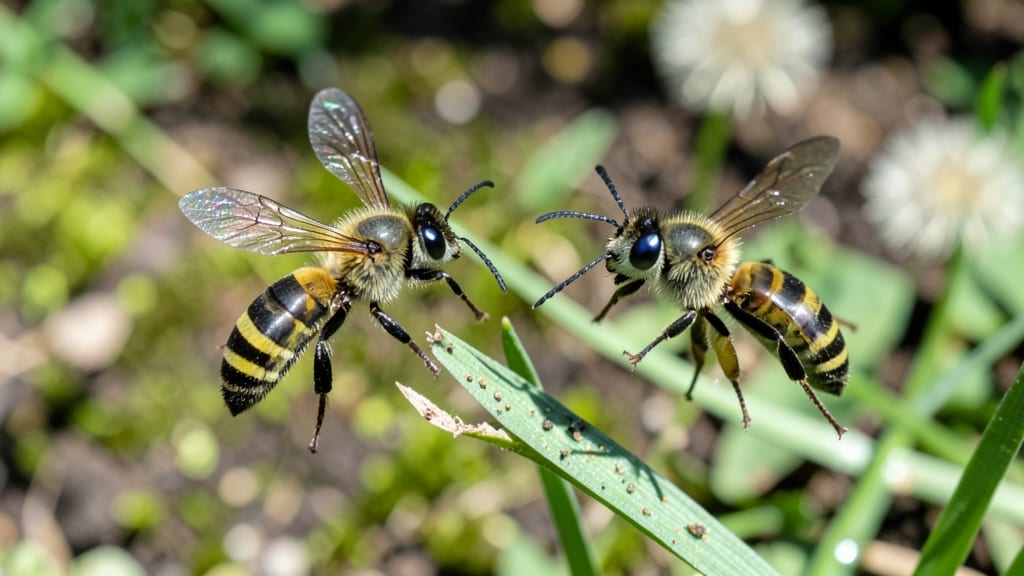
Wasps hovering over your lawn aren’t just annoying—they’re a sign of an active nest nearby, and those stings can ruin a picnic or send kids running. I’ve dealt with my share of wasp invasions, and the key to fast relief is acting before they build up.
These pests target protein-rich areas, so your lawn’s moisture and insects make it an all-you-can-eat buffet for them.
The good news? You don’t need harsh chemicals to send them packing. A mix of natural traps, targeted sprays, and environmental tweaks can clear them out in 24-48 hours—without harming your yard’s ecosystem.
Think sugar-water lures, vinegar sprays, and even a few strategic plants that wasps despise. The trick is speed and precision, not brute force.
By evening, you’ll see fewer wasps circling, and within a week, their activity should drop dramatically. Your lawn stays safe for barbecues, and the wasps? They’ll move on to less hospitable turf.
The secret lies in cutting off their food and water sources while making your yard less appealing than the neighbor’s.
Works year-round, whether you’re dealing with yellow jackets in summer or early spring scouts. Let’s get those buzzing troublemakers out of your space—fast and clean—so you can enjoy your lawn again without looking over your shoulder.
The Hidden Triggers Behind Lawn Wasps
If you’ve ever watched wasps buzzing lazily over your lawn—only to realize they’re not just passing through—you’re likely dealing with a targeted attraction. These striped intruders aren’t random; they’re drawn to your yard for specific reasons, often tied to survival, reproduction, or even human habits.
Understanding why they’re lingering is the first step to outsmarting them. Below, we break down the science-backed causes behind wasps hovering near your grass, from food sources to environmental cues.
🍯 Food sources: what’s luring them in?
Wasps are opportunistic feeders, and your lawn may unknowingly be serving up an all-you-can-eat buffet. Unlike bees, most wasps (like yellow jackets and paper wasps) are carnivorous as adults, while their larvae rely on a diet of pre-chewed protein—think soft-bodied insects, spiders, or even pet food.
Here’s what’s likely tempting them:
- Sugary substances: Wasps have a sweet tooth, and anything fermenting or sticky—like overripe fruit, soda spills, or honeydew from aphids on your grass—becomes a magnet. Even meadows with clover or dandelions can produce nectar that attracts them.
- Protein-rich scraps: Leftover grilled meats, pet kibble, or fallen insects (like caterpillars in your lawn) signal an easy meal. Yellow jackets, in particular, are scavengers and will patrol areas where humans eat outdoors.
- Aphid colonies: Wasps hunt aphids for their larvae, and if your lawn has soft-stemmed plants (e.g., roses, fruit trees, or weeds), these tiny pests become a wasp snack bar.
💡 Pro Tip: Walk your lawn after meals or picnics to pick up food debris, and avoid leaving open trash cans near seating areas. For aphid-prone plants, introduce ladybugs (natural predators) or blast water at colonies to deter wasps.
🏡 Nesting opportunities: why your yard feels like home
Wasps don’t just hover—they scout. If they’re lingering, they’re likely assessing your lawn for nesting sites. Different species have distinct preferences, but most prioritize sheltered, protected spaces with easy access to food. Here’s what makes your lawn appealing:
| Wasp Species | Preferred Nesting Spots | Why Your Lawn? |
|---|---|---|
| Yellow Jackets | Underground burrows, hollow stems, or wall voids | Loose soil, rotting wood, or thatch buildup in your lawn provides easy digging access. |
| Paper Wasps | Eaves, tree bark, or dense shrubs | Your yard’s overgrown bushes or woodpiles offer hidden nooks for their umbrella-shaped nests. |
| Mud Daubers | Under roof edges, sheds, or garage ceilings | They’re less aggressive but still scout moist, shaded areas near your home’s foundation. |
🔥 Action Step: Inspect your lawn for exposed soil, rotting logs, or hollow stems (like old grass clippings). Seal gaps in outdoor furniture or decking with caulk, and trim back vegetation touching your house to remove nesting hideouts.
🌡️ Weather and seasonal patterns
Wasps are weather-dependent, and their behavior shifts with temperature, humidity, and seasonal changes. If you’re noticing more hovering activity, it’s likely tied to:
- Warm, sunny days: Wasps are cold-blooded and become more active when temperatures rise above 70°F (21°C). They’ll hover near the ground to regulate body heat or scout for food.
- Early morning/late afternoon: These are peak foraging times when wasps are most aggressive near food sources (like your trash or pet bowls).
- Late summer (August–September): This is nest-building season for many species. Queens and workers search for moist, protected spots to establish colonies for next year.
- Rainy or windy conditions: Wasps avoid flying in heavy rain but may cluster near sheltered areas (like your lawn) when storms pass, making them seem more “hover-heavy.”
🌡️ Seasonal Hack: If wasps are bad in summer, focus on food removal (e.g., cleaning grills, covering drinks). In fall, prioritize nest destruction before they overwinter.
🌿 Lawn health: unintended attractions
Believe it or not, the condition of your lawn can influence wasp activity. Overgrown grass, standing water, or certain plants may inadvertently signal “move in here!” to wasps. Key culprits include:
- Thatch and debris: A thick layer of thatch (dead grass buildup) traps moisture and provides insulation for underground nests, especially for yellow jackets.
- Standing water: Puddles or poor drainage create breeding grounds for mosquitoes and flies, which wasps prey on. They’ll hover near these areas to hunt.
- Weeds and wildflowers: While some plants deter pests, others (like dandelions or clover) produce nectar that attracts wasps. Even ferns or hostas can harbor aphids, turning your garden into a wasp buffet.
- Compost piles: Decaying organic matter emits ammonia and sugars, mimicking the scent of a wasp larvae’s food source.
✨ Lawn Fix: Aerate your lawn to reduce thatch, fix drainage issues, and mow regularly to remove nesting material. Replace wasp-friendly weeds with marigolds or basil, which repel them naturally.
Banish Lawn Invaders Naturally
Seeing wasps hovering over your lawn can feel like an unwelcome party—one you didn’t RSVP for. But the good news? You don’t need harsh chemicals to kick them out. With the right approach, you can outsmart these buzzing pests and reclaim your outdoor space.
Below, we’ll tackle the most common causes of wasp activity and match them with practical, eco-friendly fixes. Plus, we’ll share prevention tips to keep them from crashing the party again.
🔥 If Wasps Are Hunting for Food
Wasps are drawn to sweet, sticky, or protein-rich snacks—think spilled soda, ripe fruit, or even pet food. If your lawn is a buffet, they’ll keep coming back.
🍳 Fix It: Remove the Allure
- Clean up spills ASAP 🧹—soda, juice, or even sugary drinks left on picnic tables or grills are like neon signs for wasps.
- Store trash securely 🗑️—use lidded bins and take them out before wasp activity peaks (early morning or late evening).
- Pick overripe fruit 🍉—wasps love fermenting fruit. Check trees, bushes, and even fallen fruit on the ground.
- Feed pets indoors 🐶—if you feed pets outside, switch to indoor feeding or use a wasp-proof feeder.
💡 Pro Tip:
Wasps are also attracted to meat or fish leftovers. If you’re grilling, clean up scraps immediately—even tiny bits can trigger a wasp feast.
🌿 If Wasps Are Nesting Nearby
Wasps build nests in hidden spots—under decks, in eaves, or even in thick grass. If you spot them hovering low, they’re likely scouting for a new home.
👨🍳 Fix It: Block Their Entry Points
- Seal cracks and gaps 🔧—use caulk to close holes in siding, under decks, or around windows. Wasps exploit tiny openings!
- Trim overgrown grass and bushes ✂️—thick vegetation gives them cover. Keep lawns mowed and shrubs trimmed back.
- Check for old nests 🕷️—if you find a nest last season, remove it before spring. Wear protective clothing and use a wasp spray or soapy water to dissolve it.
- Install wasp-proof lighting 💡—wasps are drawn to bright lights. Use yellow bug lights or motion-activated lights to deter them.
⚠️ Safety First:
Never swat at a wasp or disturb a nest—it’ll make them more aggressive. If the nest is large or in a hard-to-reach spot, call a pest control pro.
🌡️ If Wasps Are Drawn to Standing Water
Wasps need water to survive, and puddles, birdbaths, or even damp mulch can become their watering holes.
🥘 Fix It: Dry Them Out
- Empty standing water 💧—flip over plant saucers, clean gutters, and fix leaky hoses.
- Add a small fountain 🌊—moving water (like a small solar-powered fountain) disrupts wasps’ ability to land and drink.
- Use gravel instead of mulch 🪨—if your garden stays damp, switch to gravel, which drains better.
🎯 Bonus Tip:
Wasps also love damp pet bowls. Rinse and refill water bowls daily to avoid creating a wasp magnet.
✨ Long-Term Prevention: Make Your Lawn Less Welcoming
Once you’ve addressed the immediate issues, take these steps to keep wasps from moving in again:
- Plant wasp-repelling herbs 🌿—basil, mint, and lemongrass naturally deter wasps. Plant them near seating areas.
- Use essential oil sprays 🍃—mix water with a few drops of peppermint, citronella, or tea tree oil in a spray bottle. Lightly mist outdoor furniture and entryways.
- Keep outdoor spaces tidy 🧹—wasps love clutter. Store firewood away from your house, and avoid leaving cardboard or paper piles.
- Encourage natural predators 🐝—birds, spiders, and ground beetles eat wasps. Install a birdhouse or leave some bare soil for beneficial insects.
With these strategies, you’ll send wasps packing—without resorting to toxic sprays. A little effort now means more peaceful afternoons (and fewer stings) later. Happy lawn-keeping! 🌱
Frequently asked questions
Why do wasps hover over my lawn in the morning?
Morning hovering is usually about hydration and hunting. Wasps need water first thing, so standing puddles or dew-covered grass attract them. They're also scouting for early-rising insects like aphids or grubs to feed their larvae. Check for damp spots or aphid-infested plants you might have missed during mowing.
Are all hovering wasps dangerous?
Not equally—paper wasps are generally less aggressive than yellow jackets. Look for size (yellow jackets are larger) and behavior: aggressive darting means danger. Mud daubers rarely sting unless provoked. If you see 20+ wasps in one spot, they're likely guarding a nest nearby and should be treated with caution.
Will vinegar really repel wasps from my lawn?
Yes, but use it strategically. Mix equal parts water and white vinegar in a spray bottle and mist entry points (under decks, near trash cans)—not the grass itself. The strong smell masks food odors. For best results, reapply every 3-4 days during peak wasp season (late summer). Combine with removing food sources for maximum effect.
How do I know if wasps are nesting underground?
Watch for low-flying patterns or wasps entering/exiting small holes in compacted soil. Yellow jackets often create 1-inch diameter holes in lawns. Tap the area gently—if you hear a rustling sound, that's their nest. Avoid disturbing it; instead, apply diatomaceous earth around the hole or use a targeted spray at dusk when they're less active.
Can I use coffee grounds as a natural wasp deterrent?
Sprinkle used coffee grounds around patio edges, trash cans, and garden beds. The caffeine and strong odor disrupt their scent trails. For extra protection, mix with citrus peels (wasps hate both). Refresh every 2-3 days during active wasp season, as the scent fades quickly. This works best as a preventive measure rather than a cure.