
Lawn
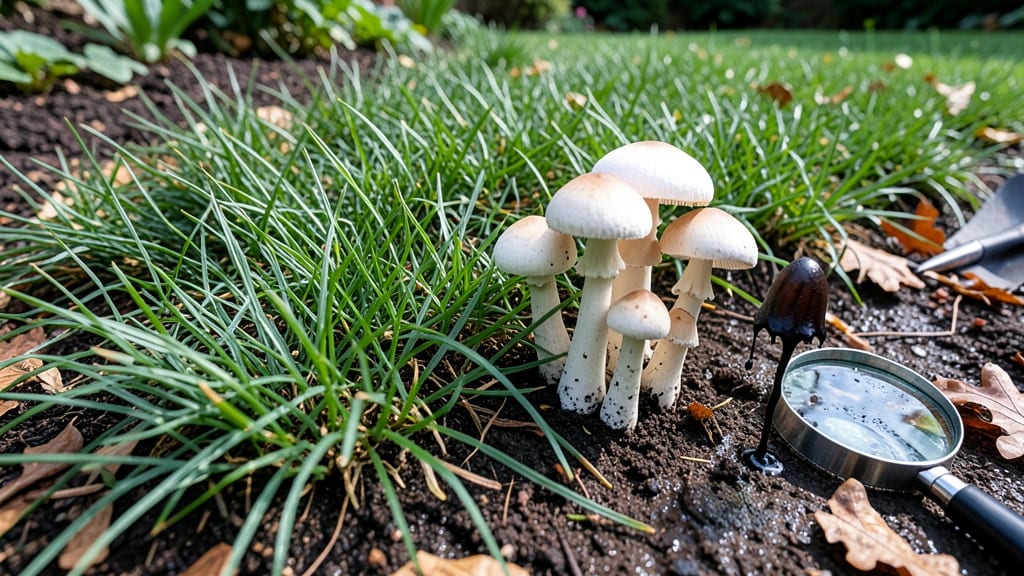
Why have I got mushrooms in my lawn? Those sudden clusters popping up aren’t just weird—they’re a clear sign your yard needs attention. 🌱 I’ve seen this happen after heavy rain or when old tree roots decay underground, and it’s usually harmless but worth addressing before they spread. The good news? Most lawn mushrooms appear because your soil stays too wet or has too much organic matter decomposing. Improving drainage with sand or aerating the lawn can make them disappear within weeks. For stubborn cases, a simple vinegar spray (1 part vinegar to 4 parts water) works as a natural fungicide. You’ll notice the mushrooms shrink and fade within a few days of fixing the root cause. The key is acting fast—once they release spores, they can come back stronger next season. A properly maintained lawn keeps them from staging a comeback. This works for any grass type, from cool-season Kentucky bluegrass to warm-season Bermuda. Let’s get your lawn healthy again before those mushrooms become a regular sight!
The Hidden Triggers Behind Lawn Mushrooms
If you’ve ever spotted mushrooms sprouting in your lawn like unexpected garden guests, you’re not alone. These fungal friends don’t just appear out of nowhere—they’re responding to specific conditions in your yard.
Understanding why they show up is the first step to preventing their return. Below, we break down the most common causes, explained in simple terms with actionable insights.
Mushrooms thrive in damp, shaded environments because their spores need moisture to germinate. If your lawn stays soggy for long periods—whether from heavy rainfall, overwatering, or poor soil drainage—you’re creating the perfect mushroom buffet.
- Why it happens: Fungal spores lie dormant in the soil until conditions are right. When the ground stays wet, they activate and grow rapidly, especially in grass clippings or thatch layers.
- Actionable fix:
- Test your soil’s drainage by digging a small hole (6 inches deep) and filling it with water. If it drains in under an hour, your soil is fine. If not, amend it with sand or organic matter (like compost) to improve aeration.
- Water deeply but less frequently—early morning is ideal—to let the soil dry between sessions.
- Consider installing a French drain or swales (shallow trenches) to redirect water away from problem areas.
Mushrooms love a cozy home, and thick layers of thatch (dead grass, roots, and debris) provide the perfect shelter. When organic matter piles up, it traps moisture and nutrients, giving fungi the fuel they need to grow.
- Why it happens: Thatch acts like a sponge, holding onto water and creating anaerobic (low-oxygen) zones where fungi flourish. Common in lawns with compacted soil or over-fertilized grass.
- Actionable fix:
- Dethatch your lawn in early fall or spring using a rake or a mechanical dethatcher. Aim for a thatch layer no thicker than ½ inch.
- Remove fallen leaves, twigs, and grass clippings promptly—especially in shaded or low-traffic areas.
- Overseed bare spots to encourage dense grass growth, which outcompetes fungi for space.
Lawns with little sunlight struggle to grow thick, healthy grass, leaving gaps where mushrooms can take over. Compacted soil also restricts root growth, making the area more susceptible to fungal invasions.
- Why it happens: Shade reduces photosynthesis, weakening grass roots and creating weak spots. Compacted soil limits oxygen and water flow, stressing plants and inviting fungi to move in.
- Actionable fix:
- Aerate compacted areas in the fall using a core aerator to break up the soil and improve airflow.
- Plant shade-tolerant grass varieties (like fine fescue) or add ground covers (e.g., clover) to outcompete mushrooms.
- Prune overhanging trees or shrubs to increase sunlight exposure by at least 4–6 hours daily.
While fertilizers feed your grass, too much nitrogen or phosphorus can create a feast for mushrooms. These fungi decompose organic matter, and excess nutrients give them a growth boost.
- Why it happens: Over-fertilizing disrupts the soil’s natural balance, promoting fungal growth over grass. Mushrooms also appear after heavy organic mulch or compost applications.
- Actionable fix:
- Test your soil’s pH and nutrient levels (ideal range: 6.0–7.0 for most grasses). Adjust fertilization based on results—less is often more.
- Use slow-release, organic fertilizers to avoid nutrient spikes. Avoid fresh manure or high-phosphorus amendments.
- Apply a thin layer of nitrogen-rich fertilizer in early spring and fall, following package rates.
Burrowing animals like moles, voles, or even raccoons can turn your lawn into a mushroom hotspot. Their tunnels disrupt soil layers, exposing spores to moisture and air.
- Why it happens: Disturbed soil creates pockets where fungi can colonize. Animal waste also adds organic matter, feeding fungal growth.
- Actionable fix:
- Set humane traps or use repellents to deter burrowing pests. For moles, castor oil-based sprays can be effective.
- Fill in tunnels with a mix of sand and topsoil to restore the lawn’s surface.
- Encourage natural predators (like owls or snakes) by maintaining a healthy ecosystem in your yard.
💡 Pro Tip: If mushrooms keep returning, consider a fungicide treatment (like a copper-based or potassium bicarbonate spray) in early spring or fall. However, focus on fixing the root causes—mushrooms are a symptom, not the problem!
Quick Fixes for Lawn Mushrooms
Now that you’ve identified why those pesky mushrooms popped up in your lawn, it’s time to tackle them—without resorting to harsh chemicals or expensive treatments. The good news?
Most solutions are simple, cost-effective, and eco-friendly. Below, we’ve matched the most common causes to the best fixes, plus tips to keep your lawn mushroom-free for good.
If mushrooms thrive because your lawn is too damp or soil is compacted, the solution is all about improving airflow and drainage.
🔥 Step 1: Reduce Watering
- 💡 Pro Tip: Mushrooms love moisture—water your lawn early in the morning (before 10 AM) to allow excess water to evaporate.
Avoid evening watering, which keeps soil soggy overnight. - ✨ Adjust Your Schedule: Aim for 1–1.5 inches of water per week (including rain). Use a rain gauge or tuna can to measure!
👨🍳 Step 2: Aerate the Soil
Compacted soil traps moisture and blocks roots, creating the perfect mushroom buffet.
Rent a core aerator (or hire a lawn service) to pull small soil plugs, letting air, water, and nutrients penetrate. - 🌱 When to Do It: Early fall or spring, when soil is soft but not waterlogged. - 🔪 DIY Hack: If renting isn’t an option, use a garden fork to poke holes 6 inches deep, 6 inches apart.
🥘 Step 3: Top-Dress with Organic Matter
Spread a ¼-inch layer of compost or coarse sand over the lawn after aerating. This improves drainage and starves mushroom spores by promoting healthy turf growth.
- 💡 Best Mix: 50% compost + 50% sand for optimal results.
Weak grass invites mushrooms because they feed on decaying organic matter. Boost your lawn’s resilience with these steps:
🍳 Step 1: Overseed Bare Spots
Thin or patchy grass lets mushrooms take over. Overseed in early fall or spring with a high-quality grass seed (like tall fescue or Kentucky bluegrass for most climates).
- 🎯 Seed Blend Tip: Choose a mix with 10–15 lbs per 1,000 sq ft for full coverage.
- 🌡️ Ideal Conditions: Keep soil moist (not soggy) for 2–3 weeks after seeding.
🔪 Step 2: Mow High and Leave Clippings
- 💡 Mowing Height: Set your lawnmower to 3–4 inches—taller grass shades soil, reducing moisture loss and outcompeting weeds/mushrooms.
- ✨ Grass Cycler Trick: Leave clippings on the lawn (they decompose quickly and return nutrients).
🥗 Step 3: Fertilize Smartly
Use a slow-release, nitrogen-rich fertilizer (like 20-0-5) in early fall to encourage deep root growth. Avoid over-fertilizing—too much can harm grass and feed mushrooms.
- 📊 Schedule: Apply in early fall and spring, following label rates.
Leaves, twigs, and thatch create a cozy hiding spot for mushrooms. Remove the debris and improve lawn hygiene:
🔥 Step 1: Rake Up Organic Debris
- 🍃 Clear Leaves: Use a leaf blower or rake to remove fallen leaves, especially in shady areas where mushrooms love to hide.
- 🌳 Trim Overhanging Branches: If trees shade your lawn, trim branches to let sunlight in.
👨🍳 Step 2: Dethatch if Needed
If your lawn has a thatch layer thicker than ½ inch, rent a dethatching machine or use a vertical mower to slice through it.
- ⏰ Best Time: Late spring or early summer when grass is actively growing.
🥘 Step 3: Mulch Properly
If you have wood chips or mulch near your lawn, keep them 1–2 feet away from the grass edge to prevent mushroom spores from spreading.
If mushrooms are already established, you’ll need to kill them directly. Here’s how:
💡 Option 1: Natural Removal (Safe & Slow)
- 🍄 Pick and Bag: Wear gloves and pull mushrooms at the base (including the root).
Bag and dispose of them—do not compost (spores can survive!). - 🌱 Vinegar Spray: Mix 1 gallon of white vinegar + 1 tbsp dish soap in a spray bottle.
Spray directly on mushrooms (repeat every 3–4 days until gone). - ⚠️ Caution: Vinegar kills grass too—use sparingly on small patches.
🔪 Option 2: Fungicide (Fast but Harsh)
For severe infestations, use a non-selective fungicide like:
- 🍃 Copper-based fungicide (e.g., Bordeaux mixture)
- 🍄 Propiconazole (e.g., Bayer Advanced Fungus Control)
- 💡 Application Tip: Follow label instructions—water before and after to help absorption.
✨ Option 3: Preventative Sprays (Ongoing Protection)
Apply a preventative fungicide like myclobutanil (e.g., Scotts DiseaseEx) in early spring and fall to stop spores from germinating.
Once you’ve cleared the mushrooms, break the cycle with these habits:
- 🌡️ Improve Drainage:
- Add sand or compost to heavy clay soil.
- Consider French drains if your yard floods easily.
- 🍃 Encourage Competition:
- Plant clover or creeping charley in sunny areas—they outcompete mushrooms.
- Use moss-friendly lawn alternatives in shady spots (moss doesn’t support mushrooms).
- 🔄 Regular Lawn Care Routine:
- Mow high (3–4 inches).
- Aerate every 1–2 years.
- Test soil pH (aim for 6.0–7.0)—mushrooms thrive in acidic soil.
- 🚫 Avoid Over-Fertilizing:
- Too much nitrogen = weak grass = mushroom buffet. Less is more!
Final Thought: Mushrooms in your lawn are usually a sign of underlying issues—not just a cosmetic problem. By fixing drainage, strengthening grass, and staying proactive, you’ll send those fungi packing for good! 🚀
Frequently asked questions
Are mushrooms in my lawn dangerous to my family or pets?
Most lawn mushrooms are harmless to humans and pets, but it's best to avoid contact. Some varieties can cause mild stomach upset if ingested, while others may irritate skin. Keep pets away from unknown mushrooms until you can identify them. Always wash hands after handling them, even if they look safe.
Will removing mushrooms make them come back worse?
No, removing mushrooms actually helps prevent future growth! Pulling them (including the root) stops spore spread. The key is addressing the root cause (like drainage or thatch buildup) while removing them. Without fixing these conditions, new mushrooms may appear, but they'll be fewer each time.
How long does it take for lawn mushrooms to disappear after treatment?
With proper care, mushrooms typically shrink within 3-7 days after fixing drainage or removing organic debris. For chemical treatments, results appear in 5-10 days. The most important factor is consistency—keep maintaining your lawn's health to prevent recurrence.
Can I use coffee grounds to get rid of lawn mushrooms?
Coffee grounds can help in small doses, but they're not a complete solution. Sprinkle used grounds around mushroom patches—they slightly acidify the soil, which some fungi dislike. For best results, combine with other methods like improving drainage and removing thatch.
Why do mushrooms keep coming back in the same spot every year?
This usually means the underlying conditions (like poor drainage or buried organic matter) haven't been fully addressed. Mushrooms return to the same spot because the soil conditions remain ideal for them. Focus on aerating, improving water flow, and removing any buried debris or roots.