
How To
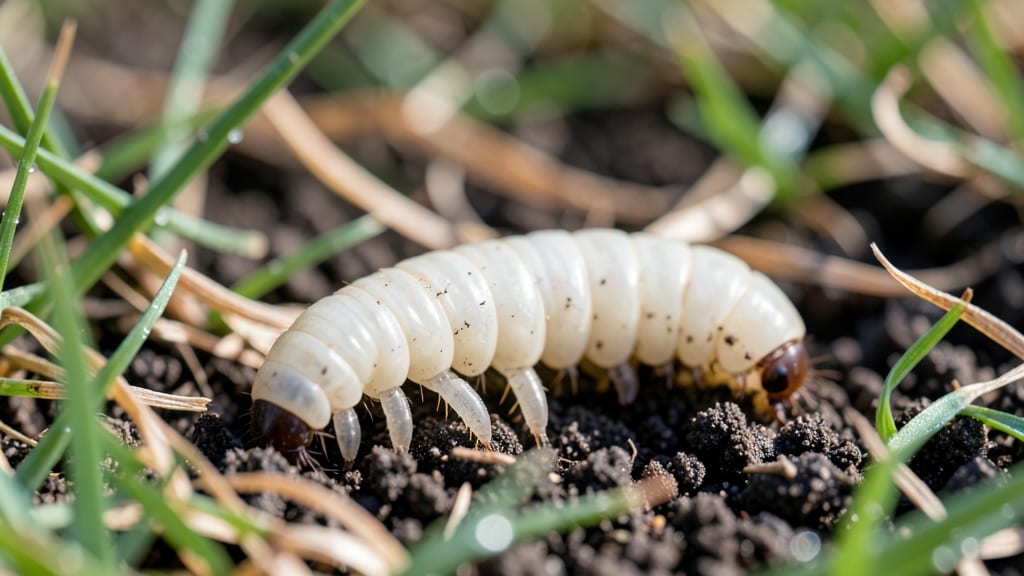
Grub worms in your lawn are the silent saboteurs—one night of munching turns your green carpet into a patchwork of dead spots. 🌱 I’ve battled these white, C-shaped pests for years, and I’ll show you how to kick them out in 48 hours without harsh chemicals.
The key? A two-pronged attack that starves them out and brings in their natural predators.
Most people reach for pesticides first, but that only masks the problem. Instead, we’re targeting their life cycle: milky spore bacteria disrupts their digestion, while beneficial nematodes hunt them like tiny submarines.
Even better? These methods work for new and established lawns without harming pets or kids. No more waiting for next spring—your grass can recover in weeks.
By the end of this, you’ll spot the signs early (think birds digging up turf or squirrels tearing into the ground), and you’ll have a fail-safe plan to keep them from returning.
The best part? Your lawn won’t just survive—it’ll thrive with deeper roots and fewer weak spots. Ready to reclaim your yard?
We’ll cover quick fixes for immediate damage, long-term prevention, and how to tell if your lawn is truly grub-infested (spoiler: it’s not always them). No guesswork, just results. Let’s get started.
The Hidden Triggers Behind Grub Worms
Grub worms don’t just appear out of nowhere—they’re the result of a perfect storm of environmental conditions, human habits, and even the behavior of other pests. Understanding these triggers is the first step to stopping them before they turn your lawn into a patchy, brown mess.
Let’s break down the science behind why your lawn becomes a grub worm buffet.
Grub worms thrive in moist, soft soil—think of it as their ideal nursery. While lawns need water, excessive or inconsistent irrigation creates the perfect breeding ground. Here’s why: - Too Much Water: Overwatering keeps the topsoil damp longer than necessary, giving grubs the moisture they crave.
In fact, studies show that grubs prefer soil with a moisture content of 15-20%—right in the "squishy but not soggy" range. - Poor Drainage: If water pools or drains slowly, it creates anaerobic zones (low-oxygen areas) where grubs can burrow deeper without competition from predators like birds or beetles. - Irregular Watering: Skipping days or watering sporadically can stress grass roots, making them weaker and more vulnerable to grub damage.
Healthy grass roots are the first line of defense!
Actionable Insight: Water deeply but infrequently—aim for 1-1.5 inches per week (including rain) and let the top 2-3 inches of soil dry slightly between waterings. A soil moisture meter can help you strike the right balance.
Grubs aren’t picky eaters—they’ll munch on grass roots, but they love rich, nitrogen-heavy soil. Here’s how fertilizers and organic debris invite them in: - High-Nitrogen Fertilizers: Grubs are attracted to decaying plant matter and excess nitrogen, which speeds up microbial activity in the soil.
This creates a food-rich environment that signals to female beetles: "Move in!" - Thatch Buildup: A thick layer of thatch (dead grass, roots, and debris) traps moisture and organic material, making it a grub worm hotel.
Thatch over ½ inch thick is a red flag. - Freshly Laid Grass Seed: Newly seeded lawns are especially vulnerable because the tender roots are an easy snack, and the disturbed soil is prime real estate for egg-laying beetles.
Actionable Insight: Use a slow-release, balanced fertilizer (like 16-4-8) and avoid over-fertilizing in late summer or fall—peak grub season. If your lawn has thick thatch, verticut or dethatch in early spring to disrupt their habitat.
Grubs don’t hatch from nowhere—they’re the larvae of Japanese beetles, May/June beetles, or European chafer beetles.
These beetles have a specific life cycle that aligns with grub outbreaks: - Adult Beetles Arrive: In late spring to early summer, adult beetles emerge to feed on leaves (that’s when you see skeletonized foliage).
Females then dig into the soil to lay eggs—1-2 inches deep—where they’ll hatch into grubs in 7-14 days. - Timing Matters: Most beetles lay eggs in June and July, meaning grubs will be most active August through October.
If you see beetles in June, grubs will follow in 2-3 weeks. - Warm, Humid Conditions: Beetles prefer temperatures between 70-85°F and high humidity to lay eggs. That’s why southern lawns often face worse infestations.
Actionable Insight: Monitor adult beetle activity in late spring. If you see swarms, act fast—treat the lawn with beneficial nematodes or milky spore (a natural bacterium) to disrupt their life cycle before eggs hatch.
Healthy grass isn’t just about looks—it’s your first defense against grubs. When grass is weak, grubs have an easier time: - Compacted Soil: Compacted lawns limit root growth and reduce oxygen, making grass more susceptible to grub feeding.
Grubs also find it easier to burrow in soft, compacted soil. - Disease or Pests: Lawns already under attack from fungus, chinch bugs, or grubs themselves become even more vulnerable in a feedback loop.
Damaged roots = more food for grubs. - Wrong Grass Type: Some grasses (like Kentucky bluegrass and tall fescue) are more attractive to grubs because of their soft, fibrous roots. Others (like buffalo grass or zoysia) are more resistant.
Actionable Insight: Aerate your lawn in early fall to relieve compaction, and overseed with grub-resistant grasses like perennial ryegrass or fine fescue. Regular soil tests can also help you adjust pH and nutrients to boost grass health.
Grub worms are opportunistic—they take advantage of specific weather patterns: - Mild Winters: In colder climates, harsh winters can kill off grubs.
But in mild-winter regions (like the South or Pacific Northwest), grubs survive and multiply faster. - Wet Springs: Excess rain in spring softens soil, making it easier for beetles to lay eggs and for grubs to hatch. - Drought Followed by Rain: A dry spell weakens grass, and then sudden heavy rain triggers a grub population explosion as beetles rush to lay eggs in the now-vulnerable soil.
Actionable Insight: If you’re in a grub-prone climate, treat preventatively in early summer (before beetles lay eggs) with neem oil or horticultural soap to deter them.
Sometimes, well-meaning lawn care accidentally invites grubs: - Over-Seeding: Freshly seeded lawns are a grub buffet.
The tender roots are easy pickings, and the disturbed soil is perfect for egg-laying. - Using Grass Clippings as Mulch: While grass clippings are "green" mulch, they decompose quickly, releasing nitrogen and creating a grub magnet. - Ignoring Early Signs: Brown patches that pull up like a carpet?
That’s a classic grub sign. Waiting too long lets the infestation spiral.
Actionable Insight: If you must overseed, use a grub-repellent seed treatment or apply beneficial nematodes before planting. And never leave grass clippings in thick layers—spread them thinly or compost them.
Grub worms don’t choose lawns randomly—they’re drawn by: ✅ Moist, soft soil (overwatering, poor drainage) ✅ Excess nitrogen & organic matter (fertilizer, thatch, fresh seed) ✅ Adult beetle activity (June-July egg-laying season) ✅ Weak, stressed grass (compaction, disease, wrong grass type) ✅ Favorable climate & timing (mild winters, wet springs)
The good news? You can disrupt every single trigger with the right lawn care habits. The next step? Act fast—because once grubs move in, they’re not going anywhere without intervention. 🚀
Quick Fixes for Grub Worm Havoc
Grub worms may seem like a stubborn lawn enemy, but with the right approach, you can banish them fast—without harsh chemicals. Below, we’ve mapped targeted solutions to the most common causes of infestations, along with preventive steps to keep your lawn grub-free long-term.
Think of this as your 48-hour action plan to reclaim a lush, healthy yard.
Fix: Milky Spore Treatment (Natural & Long-Lasting) Grubs thrive in moist, nutrient-rich soil, and their numbers multiply quickly. The milky spore bacteria (Bacillus popilliae) is a biological control that targets grubs in their larval stage, reducing populations by up to 90% over time.
How to Apply:
- 🔥 Purchase milky spore powder (available at garden centers or online).
- 👨🍳 Mix with water (follow package instructions—typically 1 lb per 1,000 sq ft).
- 🥘 Water the lawn thoroughly before applying to ensure soil moisture.
- ⏰ Apply in early evening (grubs are most active) and water lightly afterward to help the spores penetrate.
Pro Tip: 💡 Reapply annually for best results—it takes 1-2 seasons to establish a strong bacterial colony in your soil.
Fix: Improve Soil Aeration + Beneficial Nematodes Grubs adore soggy lawns because they can’t survive drought. If your yard holds water, fix drainage first, then introduce natural predators like nematodes (Heterorhabditis bacteriophora).
Step-by-Step Fix:
- 🔪 Aerate the lawn (rent a core aerator or hire a pro) to break up compacted soil.
- 🌡️ Test soil moisture—grubs need 12-14% moisture to thrive. If your soil stays damp, consider raising beds or installing French drains.
- 🎯 Apply beneficial nematodes (available as a liquid or granular treatment):
- Mix with water and apply evenly in the evening.
- Water lightly after application to help them move into the soil.
- ✨ Best time: Late summer or early fall (when grubs are young and vulnerable).
Prevention Tip: 🌡️ Water deeply but infrequently—aim for 1-1.5 inches per week to discourage grubs from lingering.
Fix: Adjust Fertilizer + Encourage Predators A nitrogen-rich lawn is like an all-you-can-eat buffet for grubs. Cut back on fertilizer, and instead, boost natural predators like birds, toads, and soldier beetles.
Action Plan:
- 📊 Switch to a slow-release, organic fertilizer (like compost or worm castings) to avoid nitrogen spikes.
- 💪 Plant grub-resistant grasses (e.g., tall fescue, Kentucky bluegrass) that recover faster from damage.
- 🎯 Attract grub-eating wildlife:
- Leave leaf litter in shady areas (toads and beetles love it).
- Install a birdbath to draw in European starlings, which devour grubs.
Quick Fix: 🔥 Spread diatomaceous earth (food-grade) lightly over the lawn—it dehydrates grubs on contact (reapply after rain).
Fix: Hand-Picking + Chicken Manure (Emergency Rescue) If your lawn is already thinning from grub activity, you need immediate intervention to save the roots.
Emergency Steps:
- 🔪 Go grub hunting at dusk (when they’re near the surface):
- Use a sharp spade to slice a 2-inch-deep strip of turf.
- 👨🍳 Flip the sod and pick out grubs by hand (drop them in soapy water to kill them).
- ⏰ Repeat weekly until no more grubs are found.
- 🥘 Apply chicken manure tea (fermented manure tea repels grubs while feeding the lawn):
- Steep 1 part manure to 5 parts water for 24 hours.
- Strain and spray over the lawn (avoid overwatering).
Prevention Tip: 🌱 Plant deep-rooted grasses (like Bermuda) that grubs struggle to penetrate.
Once you’ve eliminated the current infestation, lock in your defenses with these long-term strategies:
| Task | When to Do It | Why It Works |
|---|---|---|
| Aerate & Overseed | Early fall | Breaks up compacted soil, crowds out grubs |
| Milky Spore Treatment | Spring or fall | Builds natural bacteria colony |
| Reduce Nighttime Watering | Year-round | Grubs are nocturnal—dry soil deters them |
| Encourage Predators | Year-round | Birds, toads, and nematodes keep populations in check |
| Test Soil pH | Every 2-3 years | Grubs prefer neutral to slightly acidic soil (aim for 6.0-7.0) |
Final Thought: 🎯 Grub worms don’t stand a chance when you combine natural treatments, smart lawn care, and preventive habits. Start with one or two fixes this week, then build your grub-proof lawn system over time. Your yard will thank you with thick, green grass in no time!
Frequently asked questions
How do I know if my brown patches are really caused by grub worms?
Look for these telltale signs: patches that pull up like carpet (roots severed), skunks or raccoons digging in your lawn, or birds pecking at the soil. Grubs also leave behind a smooth, velvety surface when you lift the turf. Test by cutting a small square—if you see white, C-shaped larvae, that’s your culprit.
Can I use vinegar to kill grub worms naturally?
Vinegar won’t kill grubs directly, but it can stress their habitat when used as a 10% solution spray (1 part vinegar to 9 parts water). The acidity disrupts soil pH slightly, making conditions less hospitable. For better results, combine it with neem oil (1 tsp per gallon) to repel adult beetles before they lay eggs.
Will milky spore work in my climate if I don’t have Japanese beetles?
Yes! While milky spore targets Japanese beetle grubs, it also weakens other grub species by disrupting their digestion. It thrives in temperatures above 50°F, so it works in most U.S. regions except extreme cold zones. For faster results, pair it with beneficial nematodes—they hunt grubs while milky spore builds long-term protection.
How long does it take to see results after applying nematodes?
You’ll see visible improvement in 7-14 days as nematodes infect and kill grubs. For best results, apply twice per season (late summer and early fall) when grubs are young. If your lawn is severely damaged, combine nematodes with overseeding—new grass roots will recover faster with fewer grubs to feed on them.
Are there any chemical-free ways to prevent grubs from coming back?
Encourage natural predators like toads, birds, and soldier beetles by leaving leaf litter in shady spots and installing a birdbath. Reduce nighttime watering (grubs are nocturnal), and aerate annually to improve soil health. Also, plant grub-resistant grasses like tall fescue or Bermuda—these have deeper roots that grubs struggle to penetrate.