
Lawn
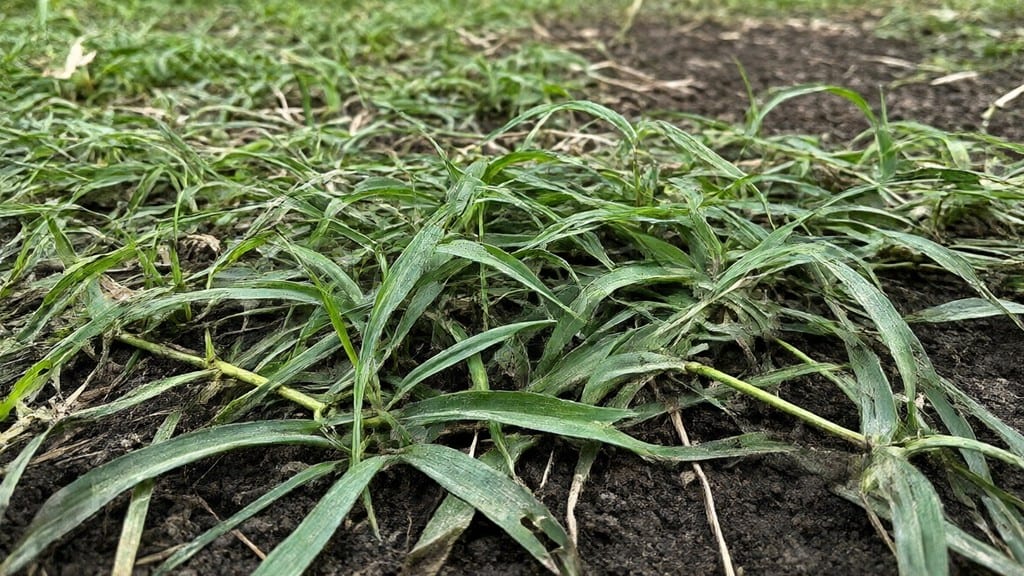
That wiry viney grass weed—the one choking your lawn like a relentless vine? 🌱 I’ve battled nutgrass, crabgrass, and creeping Charlie enough to know the difference between a stubborn patch and an all-out invasion—and how to stop it in its tracks.
The key is catching it early, before it roots deeper than your lawnmower blades.
Most people mistake these vines for regular grass or clover, but viney weeds have a telltale habit: they spread horizontally in thin, wiry strands that choke out your lawn.
Pulling them by hand works for small patches, but larger infestations need a mix of smothering mulch, targeted herbicides, or even a vinegar spray for stubborn spots. The goal? Cut off their food source before they take over.
By the time you’re done, your lawn will look thick, green, and actually grassy again—not just a weed-free battleground. The best part? Once you’ve eradicated the worst of it, a few simple preventive steps (like overseeding and proper watering) keep it from creeping back.
Let’s get those invasive vines under control for good.
Whether you’re dealing with shade-tolerant creeping charlie or sun-loving crabgrass, the same three-stage approach works. The difference is in the timing—spring is the best time to strike, but fall prevention is where the real magic happens. Ready to reclaim your lawn?
What Triggers Unwanted Grass Spread
Viney grass weed—also known as Digitaria sanguinalis—doesn’t just pop up randomly. Its rapid spread is the result of a mix of environmental, human, and biological factors.
Understanding these triggers helps you take proactive steps to prevent it from taking over your lawn. Let’s break down the key reasons why this pesky invader thrives.
🌱 1. Poor Soil Conditions
Viney grass loves disturbed, nutrient-poor, or compacted soil. Here’s why:
- Low organic matter: Healthy lawns with rich, well-aerated soil discourage weeds like viney grass. When soil lacks organic material, it becomes a prime target for fast-growing, opportunistic weeds.
- Compacted soil: Heavy foot traffic, machinery, or clay-heavy soil compresses the ground, reducing water and nutrient absorption. Viney grass thrives in these conditions because its shallow roots can quickly exploit the gaps.
- Imbalanced pH: Viney grass prefers slightly acidic to neutral soil (pH 6.0–7.0). If your lawn’s pH is too high (alkaline) or too low (acidic), it weakens your grass and gives weeds an opening.
Actionable fix: Test your soil annually and amend it with compost or peat moss to improve structure and fertility. Core aeration in spring or fall can also relieve compaction.
💧 2. Overwatering or Irregular Watering
Viney grass is a moisture-loving weed, but its resilience lies in how it responds to watering habits:
- Excessive moisture: Overwatering keeps the soil soggy, creating the perfect environment for viney grass seeds to germinate and spread. Its shallow roots absorb water quickly, giving it a competitive edge over slower-growing turfgrass.
- Inconsistent watering: Drought stress weakens your lawn, leaving bare patches where viney grass can establish itself. Even light, frequent watering (like daily sprinklers) encourages shallow root growth in weeds.
- Poor drainage: Low-lying areas or clay soil that holds water for too long create "weed hotspots." Viney grass spreads aggressively in these damp zones.
Actionable fix: Water deeply but infrequently (1–1.5 inches per week, including rain). Improve drainage with sand or gypsum, and avoid watering in the evening to reduce humidity.
☀️ 3. Excessive Sun or Shade Imbalance
Viney grass is adaptable but prefers specific light conditions that often coincide with lawn stress:
- Full sun exposure: In hot, sunny climates, turfgrass can struggle to establish or recover, leaving gaps for viney grass to fill. Its ability to photosynthesize quickly in sunlight gives it an advantage.
- Partial shade from trees/shrubs: Dappled shade creates microclimates where grass thins out, and viney grass—tolerant of moderate shade—moves in.
- Newly seeded lawns: Bare soil in sunny areas (like after overseeding) is a magnet for viney grass seeds, which germinate within days.
Actionable fix: Choose shade-tolerant grass varieties if your lawn has partial shade. For sunny areas, ensure your turfgrass is dense and healthy with proper fertilization.
🌾 4. Lawn Damage or Thin Turf
Viney grass exploits any opportunity to invade, especially when your lawn is compromised:
- Foot traffic or pet damage: Compacted or trampled areas create bare spots where viney grass seeds land and sprout within 5–7 days.
- Thatch buildup: A thick thatch layer (over ½ inch) blocks water, air, and nutrients from reaching grass roots, weakening the lawn and inviting weeds.
- Poor mowing habits: Cutting grass too short (below 2–3 inches) stresses the turf, allowing viney grass to dominate. Conversely, leaving clippings too long can smother grass.
- Construction or soil disturbance: Digging, aerating, or even aerating incorrectly can expose fresh soil, which viney grass seeds (often already present in the soil) will seize upon.
Actionable fix: Repair bare spots with overseeding, dethatch annually, and mow at the right height for your grass type. Avoid scalping your lawn!
🌍 5. Seed Spread from Nearby Sources
Viney grass doesn’t just grow from existing plants—it spreads via tiny, wind-dispersed seeds that can travel far:
- Adjacent properties or wild areas: Seeds from neighboring yards, roadsides, or construction sites can blow into your lawn, especially during dry, windy conditions.
- Contaminated soil or mulch: Topsoil, compost, or mulch from unknown sources may contain dormant viney grass seeds. Even "weed-free" bags can have hidden contaminants.
- Birds and wildlife: Birds and small animals spread seeds through their droppings or by carrying them on their feathers.
- Equipment and tools: Mowers, rakes, and shoes can unintentionally transport seeds from infested areas to clean ones.
Actionable fix: Inspect new soil or mulch for weeds before purchase. Clean tools and equipment with a bleach solution (1 part bleach to 9 parts water) to kill hitchhiking seeds. Create a 3-foot buffer of gravel or mulch around your lawn’s edge to block seed drift.
By addressing these triggers, you’re not just treating viney grass—you’re creating an environment where your lawn thrives and weeds can’t gain a foothold. Prevention is the key to keeping your grass lush and weed-free! 🌿✨
Tactical Ways to Stop Grass Weeds Spreading
Once you’ve identified the viney grass weed (like Cynodon dactylon or Digitaria sanguinalis) creeping into your lawn, it’s time to act. The key is matching the right solution to the cause—whether it’s poor soil, overwatering, or gaps in your turf.
Below, we break down practical fixes for each scenario, plus long-term prevention tips to keep your lawn lush and weed-free.
🔥 Overcrowded or Thin Lawn? Fix with Thickening Strategies
If your lawn is sparse or patchy, weeds thrive in the open spaces. The fix? Strengthen your grass’s defenses with these steps:
🌱 Step 1: Overseed Bare Spots
- When: Early spring or fall (when temps are mild).
- How: Choose a fast-growing grass seed (like tall fescue or perennial ryegrass) that matches your climate. Spread it evenly over bare patches, then lightly rake to ensure soil contact.
- Pro Tip: 💡 Water lightly 2x/day for 10–14 days until seeds germinate.
👨🍳 Step 2: Apply a Slow-Release Fertilizer
- Why: Weak grass invites weeds. A balanced fertilizer (10-10-10 or 16-4-8) boosts root growth and outcompetes invaders.
- How: Use a spreader for even coverage, following label rates. Reapply every 6–8 weeks during growing seasons.
✂️ Step 3: Mow High and Sharp
- Height: Set your mower to 3–4 inches—taller grass shades soil, reducing weed seeds’ sunlight.
- Blades: Keep them sharp to avoid tearing grass, which stresses plants and opens doors for weeds.
💦 Too Much Water? Adjust Your Irrigation
Overwatering softens soil and washes away nutrients, making your lawn a buffet for weeds like viney grass. Fix it with these adjustments:
🔥 Step 1: Water Deeply, Less Often
- Goal: Encourage deep root growth (weeds like shallow moisture).
- Schedule: Water 2–3 times per week for 15–20 minutes per session (early morning is best).
- Test: Dig 6 inches down—soil should be moist but not soggy.
🌡️ Step 2: Fix Drainage Issues
- Problem: Compacted or clay soil holds excess water, inviting weeds.
- Solution:
- Aerate your lawn in fall (rent a core aerator or hire a pro).
- Add compost (1/4 inch layer) to improve soil structure.
- Slope grading (if water pools): Redirect runoff with a gentle slope.
🚫 Step 3: Avoid Evening Watering
- Why? Wet grass at night promotes fungal diseases and gives weeds a head start.
- Fix: Water before 10 AM to let foliage dry quickly.
🌱 Soil Problems? Restore Balance
Poor soil pH or nutrient deficiencies weaken grass, letting viney weeds take over. Diagnose and correct with these tests:
📊 Step 1: Test Your Soil
- DIY Kit: Pick up a $20 soil test kit from a garden center or send a sample to a local extension office.
- Key Checks: pH (ideal: 6.0–7.0 for most grasses), nitrogen (N), phosphorus (P), and potassium (K).
🔄 Step 2: Amend the Soil
- Low pH? Add lime (follow kit instructions).
- High pH? Mix in sulfur or peat moss.
- Nutrient Deficiency? Use a soil conditioner with micronutrients (like iron or magnesium).
🌿 Step 3: Mulch Grass Clippings
- Why? Returns nitrogen to the soil naturally.
- How? Leave clippings after mowing (if your grass is healthy and not diseased).
🔪 Chemical Control: When to Use Herbicides
For stubborn viney weeds, targeted herbicides can be effective—but use them strategically to avoid harming your lawn.
🎯 Step 1: Choose the Right Herbicide
- Pre-emergent: Apply in early spring to block weed seeds (e.g., pendimethalin).
- Post-emergent (selective): Use for broadleaf weeds (e.g., 2,4-D).
- Non-selective (spot treatment): Glyphosate for weeds in cracks (e.g., driveways). Wait 72 hours before reseeding.
👨🍳 Step 2: Apply Correctly
- Timing: Early morning or late afternoon (avoid heat stress).
- Coverage: Follow label rates—more isn’t better!
- Safety: Wear gloves and avoid windy days to prevent drift.
⏰ Step 3: Reapply as Needed
- Weeds return? Some viney grasses regrow from roots. Repeat treatment in 2–3 weeks if necessary.
🛡️ Prevention Tips to Keep Weeds Out
An ounce of prevention beats a pound of cure. Lock in your progress with these habits:
- 🌡️ Mow regularly (never remove more than 1/3 of the blade height at once).
- 💡 Dethatch annually if your lawn has a thick layer of thatch (>1/2 inch).
- 🌱 Plant ground covers (like clover) in high-traffic areas to crowd out weeds naturally.
- 🧹 Remove weeds manually when young (pull from the root with a weed wrench).
- 🔄 Rotate fertilizers to avoid nutrient imbalances that attract weeds.
With these targeted fixes, your lawn will go from weed magnet to viney-grass-free zone in no time. Consistency is key—stick to the routine, and your grass will outcompete those pesky invaders for good!
Frequently asked questions
How do I tell if my lawn has viney grass weed instead of regular grass?
Viney grass weeds like crabgrass or nutgrass grow in thin, wiry strands that spread horizontally, while regular grass grows upright in clumps. Look for these key differences: viney weeds have jagged edges, grow faster than your lawn, and often appear in bare patches where grass struggles to take hold.
Will vinegar kill viney grass weed without harming my lawn?
Household vinegar (5% acetic acid) can kill viney weeds, but it’s non-selective—it’ll also damage your grass. For spot treatments, use a 1:1 vinegar-water mix with a drop of dish soap (spray only on weeds, not grass). For larger areas, opt for targeted herbicides or manual removal to protect your lawn.
Can I mow over viney grass weed to control it?
Mowing alone won’t eradicate viney weeds, but it helps if you keep your grass 3–4 inches tall—taller grass shades out weed seeds. For existing weeds, mow frequently to weaken them, then pull or treat them with herbicide. The key is consistency: don’t let weeds go to seed before mowing.
How long does it take to eliminate viney grass weed completely?
With manual removal and prevention, you’ll see noticeable improvement in 4–6 weeks. Stubborn cases (like nutgrass) may take up to 3 months for full eradication, especially if roots are deep. Combine methods—herbicides, overseeding, and soil amendments—for the fastest results.
Is viney grass weed harmful to my lawn’s health?
Not directly, but it competes with grass for water, nutrients, and sunlight, weakening your lawn over time. Left unchecked, viney weeds can spread aggressively, choking out grass and creating unsightly patches. The real danger is the root damage they cause—pulling them early prevents long-term turf decline.