
Lawn
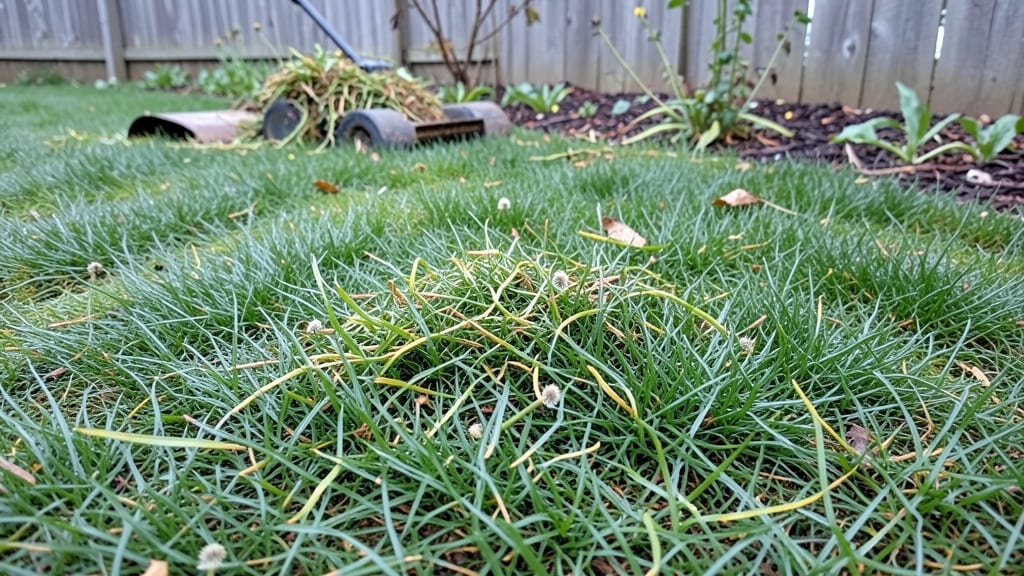
Cutting grass short harms lawn health by stressing roots with heat, drought, and pests while reducing soil protection. Most grass types thrive when kept at 2-3 inches or taller for better resilience and density.
Grass blades act like natural sunscreens for the soil below, shielding roots from harsh sunlight and heat. When you mow too short, you strip away this protective layer, forcing roots to stretch for moisture in dry conditions. 🌱 This weakens the grass's ability to recover from drought or foot traffic.
Different grass species handle short cuts differently—cool-season grasses like Kentucky Bluegrass need more height than heat-tolerant Bermuda grass, which can handle slightly shorter cuts in hot climates.
Beyond root health, shorter grass also struggles to outcompete weeds, which often thrive in open, sunlit spaces.
The trade-off between a manicured look and long-term lawn vitality is real, but most experts agree that a slightly taller cut pays off in the long run with fewer repairs and more vibrant growth.
💡 In This Article
- How Short Grass Affects Root Systems and Lawn Strength
- Optimal Grass Height Settings by Climate and Grass Type
How short grass affects root systems and lawn strength
When you cut grass too short, you're essentially severing its lifeline—the roots. Grass blades act as natural canopies, providing shade that regulates soil temperature and retains moisture. Shaving blades below 2 inches exposes roots to direct sunlight, which can raise soil temperatures by up to 10-15°F during peak summer heat.
This thermal stress forces roots to work harder just to survive, diverting energy away from growth and recovery. 🔥
Root depth varies dramatically between grass types. Kentucky Bluegrass, a cool-season variety, typically develops roots 4-6 inches deep when properly maintained, while Bermuda grass—a warm-season staple—naturally grows shallower roots (2-4 inches) but thrives in heat.
Short mowing forces both types to develop thinner, more brittle root systems that struggle to absorb water and nutrients efficiently. In drought conditions, shallow roots can't access moisture from deeper soil layers, leading to brown patches that take weeks to recover.
The nutrient absorption process gets disrupted too. Grass roots exude sugars and organic compounds that feed beneficial soil microbes, creating a symbiotic relationship. When blades are cut short, this microbial network weakens because the grass can't sustain its root exudates.
The result? Compromised soil structure, reduced organic matter, and increased vulnerability to fungal diseases like brown patch or dollar spot. 💫
Weed invasion becomes another major consequence. Most weeds—like crabgrass or clover—prefer open, sunlit conditions. Short grass creates perfect gaps for these invaders to establish themselves, while the weakened turf struggles to compete.
Studies show lawns mowed at 1 inch height can experience 30-50% more weed pressure compared to those kept at 3-4 inches. The density difference is stark: tall grass forms a thick mat that blocks sunlight, while short grass resembles a sparse carpet with visible soil between blades.
Consider this comparison: Bermuda grass can handle slightly shorter cuts (1-1.5 inches) in arid climates because its root system naturally adapts to heat. But Kentucky Bluegrass, with its deeper roots, needs at least 2.5-3.5 inches to maintain vigor.
The key factor is matching mowing height to the grass's native growth habits and climate demands. What works for a Southern lawn in summer may stress the same grass in a Northern climate during winter.
Here's what's actually happening at the cellular level: Grass blades contain chlorophyll that converts sunlight into energy through photosynthesis. Cutting them short reduces the surface area available for this process, limiting the plant's ability to produce carbohydrates—its primary energy source.
Without enough energy, roots can't grow or repair damage, creating a vicious cycle of decline. 🌟
For homeowners, this means every mowing decision has long-term consequences. While a 1-inch cut might look sharp, it can take 3-4 weeks for the grass to recover—if it recovers at all.
The trade-off between instant aesthetics and long-term health is clear: most experts recommend never removing more than one-third of the blade height in a single mowing to avoid shocking the plant.