
Mower
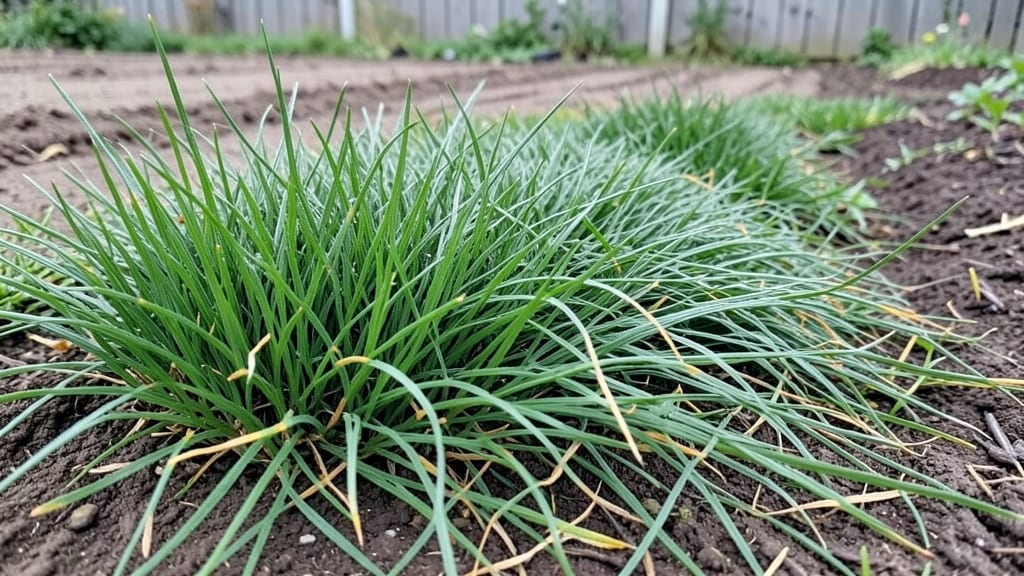
Mowing grass short—typically between 1.5 and 2.5 inches—can suppress weeds and reduce mowing frequency but risks stressing grass, exposing soil to erosion, and inviting pests. Adjust height seasonally for optimal lawn resilience.
When you cut grass too short, you’re essentially starving the roots by removing the blades that feed them through photosynthesis. 🌱 This weakens the turf’s ability to fight drought, heat stress, and even disease.
That said, a slightly shorter cut in late summer can help warm-season grasses like Bermuda recover before winter—just don’t go below 1 inch unless your grass type is specifically drought-tolerant.
Cool-season grasses like Kentucky bluegrass, on the other hand, thrive at 2.5 to 3.5 inches and can handle shorter cuts only in extreme heat or during weed suppression phases.
Here’s the kicker: most homeowners mow too often when they cut short, which actually harms the lawn more than infrequent, higher cuts. I always recommend setting your mower to 3 inches as a baseline unless you’re targeting specific goals like weed control or drought recovery.
The key is consistency—never remove more than one-third of the blade height in a single session, or you’ll shock the grass and invite weeds to take over.
💡 In This Article
- Optimal Grass Height Settings by Season and Grass Type
- Step-by-Step Guide to Safely Mowing Grass Short Without Damaging Lawns
Optimal grass height settings by season and grass type
Grass height dramatically affects root depth and drought resistance through photosynthesis efficiency. When you mow cool-season grasses like Kentucky bluegrass at 2.5-3.5 inches, the blades capture more sunlight, driving deeper root growth (up to 6-12 inches deep).
Warm-season grasses such as Bermuda or Zoysia, however, thrive at 1-2 inches in summer, where their roots naturally retreat deeper (up to 4-6 inches) to escape heat stress. This seasonal adaptation explains why warm-season grasses brown in winter—their roots shrink to conserve energy. 🌿
The science behind weed suppression comes down to shade competition. Tall grass (3+ inches) blocks sunlight, starving weeds like crabgrass that need full exposure to germinate. But cutting too short (<1.5 inches) exposes bare soil, where weed seeds find perfect conditions.
A 2-inch height strikes the balance: enough shade to deter weeds while keeping grass healthy enough to recover from mowing stress. Water retention also shifts with height—shorter grass loses moisture 30% faster due to increased surface area exposed to wind and sun.
Seasonal adjustments are critical for recovery rates. In spring, cool-season grasses should stay at 3-3.5 inches to maximize growth after winter dormancy. By late summer, lowering warm-season grass to 1-1.5 inches helps them harden before frost. The rule of thumb?
Never remove more than one-third of the blade height in a single cut—this prevents "scalping," where grass turns brown from stress. For example, a 3-inch bluegrass should never be cut below 2 inches in one session. 🔥
Shade tolerance varies wildly between types. Fine fescue (a cool-season grass) handles 20% shade at 3 inches height, while St. Augustine (warm-season) struggles below 2.5 inches in shaded areas. The reason? Tall blades create a canopy that protects lower leaves from drying out.
In full sun, however, shorter cuts (<1.5 inches) can work for drought-resistant types like Buffalo grass, which evolved to thrive with minimal water. This is why regional climate matters—arid zones like Arizona often recommend 1-inch cuts for warm-season grasses, while humid climates favor 2.5-3 inches.
Here’s a quick seasonal height guide to remember:
- Spring (cool-season grasses): 3-3.5 inches for rapid recovery
- Summer (warm-season grasses): 1-2 inches for drought resilience
- Fall (cool-season grasses): 2.5-3 inches to strengthen roots before winter
- Winter (warm-season grasses): 1.5-2 inches to avoid frost damage
What most people overlook is how grass height affects soil temperature. Shorter grass (<1.5 inches) can raise soil temps by 5-10°F in summer, accelerating moisture loss and weed seed germination. This is why professional turf managers often raise mower decks in mid-summer, even for warm-season grasses.
The trade-off? Slightly more frequent mowing—but healthier turf overall. It’s all about working with nature, not against it. 💫