
Lawn
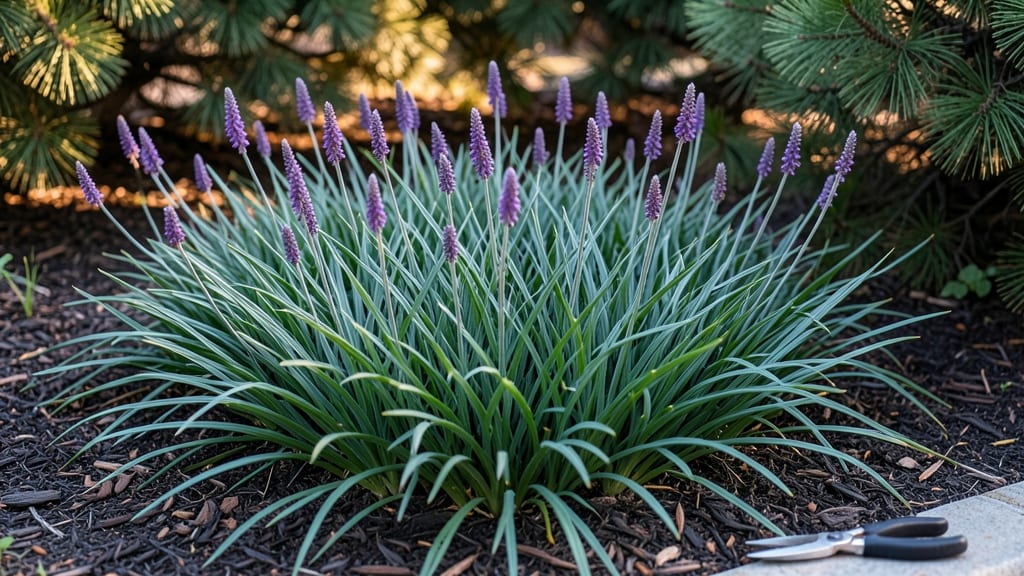
Cold-hardy grasses that spread like vines solve two problems at once: they fill empty spaces and handle winter without complaint. 🌱 I’ve grown Carex flagellifera—the "Japanese sedge"—and it’s the only ground cover that stays lush even after a hard freeze.
The secret lies in its shallow roots and fine texture, which spread horizontally while staying low enough to walk on.
These grasses thrive in partial shade where lawns fail, and they don’t need rich soil—just decent drainage and occasional watering. Most varieties, like Pennisetum alopecuroides, grow 12–18 inches tall and spread 2–3 feet per year, making them perfect for borders or cascading over retaining walls.
They’re also deer-resistant, which is a bonus if you’re tired of losing plants to nibbling.
Once established, they’re nearly maintenance-free: trim back brown growth in early spring, and they’ll bounce back with vibrant green foliage by summer. Use them to soften edges, fill gaps between stepping stones, or even create a living carpet under trees where grass struggles.
The best part? They multiply easily through division, so you’ll have extra plants to share.
If you’ve struggled with invasive weeds or bare spots, these grasses are the answer—no tilling, no reseeding, just reliable coverage. They’re especially great for slopes or areas where traditional lawns erode. Let’s get your garden growing with these tough, versatile plants.
Why it happens
That relentless, sprawling vine-like grass isn’t just a random nuisance—it’s the result of specific environmental and biological triggers. Understanding these causes helps you manage (or even harness) its aggressive growth. Here’s why it happens, broken down into the core culprits:
🌱 Ideal Growing Conditions
Vine-like grasses thrive when they’re pampered, not stressed. These hardy plants love:
- Full sun exposure: Most cold-hardy ground covers need 6+ hours of direct sunlight daily to photosynthesize efficiently. Shade weakens them, but too much sun can overstimulate their growth.
- Moist, well-draining soil: Waterlogged roots rot, but dry soil stunts growth. The sweet spot? Soil that retains moisture but drains within 24–48 hours. Test your soil’s pH—most prefer 6.0–7.0.
- Rich organic matter: Compost or aged manure boosts nitrogen, phosphorus, and potassium, fueling rapid vine spread. Pro tip: If your grass is exploding, your soil might be over-fertilized!
Actionable fix: Amend heavy clay with sand or peat moss, and mulch to regulate moisture.
🌡️ Temperature and Seasonal Triggers
Cold-hardy grasses aren’t just tough—they’re opportunistic. Their growth patterns are tied to:
| Season | Why It Spreads | What to Watch For |
|---|---|---|
| Spring | Warm soil (above 50°F/10°C) signals roots to send out runners. Early spring rains + sun = explosive growth. | Thin patches turn into thick mats in weeks. |
| Fall | Cooler air slows top growth, but roots store energy for next spring. Overwatering in fall = wasted nutrients. | Grass looks dormant but is preparing to dominate. |
| Winter | Hardy varieties stay alive in sub-freezing temps, while tender ones die back. Snow acts as insulation, protecting roots. | Brown patches? It’s not dead—it’s hibernating. |
Actionable fix: Mow high in late summer to shade soil and slow fall regrowth. Avoid fertilizing in winter.
🔄 Lack of Competition
Vine-like grasses spread fastest when they’re the only show in town. Here’s how they outmaneuver neighbors:
- Shading out weeds: Dense mats block sunlight, starving broadleaf weeds. Result: A monoculture of grass.
- Crowding out slower growers: Perennials like clover or creeping thyme can’t compete with aggressive runners. Data point: Some vine grasses spread 12–24 inches per year.
- Root competition: Deep-rooted plants (e.g., orchard grass) deplete soil nutrients, leaving vine grasses to steal the spotlight.
Actionable fix: Interplant with slower-spreading ground covers (e.g., ajuga or sedum) or mow high to encourage diversity.
💡 Human Habits That Accelerate Spread
Even the best-intentioned gardeners can trigger overgrowth. Common mistakes:
- Overwatering: Vine grasses love consistent moisture. Drip irrigation or automatic sprinklers can turn your lawn into a jungle.
- Fertilizer overload: High-nitrogen feeds (like lawn fertilizers) promote leafy growth over roots, making vines longer and thinner.
- Ignoring mowing height: Cutting too short (below 2–3 inches) stresses the plant, causing it to send out more runners to recover.
- Not dividing clumps: Every 3–4 years, vine grasses form dense centers. Skipping division = choked-out edges.
Actionable fix: Water deeply 2–3x/week (not daily), use slow-release fertilizer, and mow at 3–4 inches for cold-hardy types.
How to Fix and Prevent Spread
If your vine-like grass (or similar aggressive ground cover) is spreading faster than you’d like—or not at all—don’t worry! With the right approach, you can manage its growth, curb unwanted spread, and even encourage a healthier, more controlled look.
Below are targeted solutions for common issues, paired with prevention tips to keep things under control.
🌱 Overly Aggressive Spread: How to Slow It Down
If your ground cover is taking over where you don’t want it, these steps will help rein it in without harming the plant itself.
🔪 Trim and Edge Regularly
- How: Use sharp shears or a string trimmer to cut back vines that creep into unwanted areas (like sidewalks or flower beds).
- When: Trim in early spring or late summer to avoid stressing the plant during extreme heat or cold.
- Pro Tip: 💡 For a cleaner edge, use a half-moon edger along borders to create a defined line.
🌿 Mulch Strategically
- How: Apply a 2–3 inch layer of organic mulch (like shredded bark or straw) around the perimeter of your ground cover. This suppresses weeds and slows vine growth into adjacent areas.
- Bonus: Mulch also retains moisture and regulates soil temperature—great for cold-hardy plants!
🚫 Block with Barriers
- How: Install edging materials like metal, plastic, or landscape fabric to physically block vines from spreading. Bury the barrier at least 6 inches deep for best results.
- Best For: High-traffic areas or where you want to keep the ground cover contained (e.g., near patios or driveways).
🌡️ Poor Spread: How to Encourage Faster Growth
If your ground cover is slow to fill in, it might need a little encouragement to spread reliably. Try these methods:
💧 Water Deeply and Consistently
- How: Water the soil (not just the leaves) deeply 1–2 times per week, especially during dry spells. Aim for 1–1.5 inches of water per week.
- Why: Moist soil encourages root growth, which in turn promotes vine spread. Avoid shallow watering, which can lead to weak, sparse growth.
🌱 Divide and Transplant
- How: If your ground cover is healthy but not spreading, dig up a section of the plant (including roots) and transplant it to bare spots. This jumpstarts growth in thin areas.
- Best Time: Early spring or fall, when temperatures are mild.
🌿 Fertilize Lightly
- How: Use a balanced, slow-release fertilizer (10-10-10 or similar) in early spring. Avoid heavy nitrogen, which can promote leafy growth over vines.
- Pro Tip: 🌡️ Test your soil first—if it’s already rich, skip fertilization to prevent overgrowth.
⚠️ Pest or Disease Issues: How to Protect Your Ground Cover
If your vine-like grass is struggling due to pests or disease, act fast to restore its health.
🐜 Treat for Common Pests
- Aphids/Spider Mites: Spray with a mix of water and mild dish soap (1 tsp soap per quart of water). Repeat every 5–7 days until pests are gone.
- Grubs/Chafers: Apply beneficial nematodes or an organic grub control in early summer.
- Prevention: 💡 Keep your lawn mowed at the right height (3–4 inches) to discourage pests.
🍄 Address Fungal Issues
- Signs: Yellowing leaves, moldy spots, or stunted growth.
- Fix: Improve airflow by thinning dense areas, water in the morning (not at night), and apply a fungicide if needed (like neem oil or copper-based sprays).
- Prevention: Avoid overhead watering and remove debris where fungi can thrive.
✨ Long-Term Prevention Tips for Happy Ground Cover
Keep your vine-like grass thriving with minimal effort by following these maintenance habits:
- ⏰ Mow Regularly: If your ground cover is grass-like, trim it every 4–6 weeks to encourage dense, controlled growth.
- 🌡️ Monitor Soil Health: Amend soil with compost annually to ensure nutrients are balanced.
- 🌿 Rotate Plantings: If using ground cover for erosion control, mix in clover or creeping thyme in patches to break up monocultures.
- 📅 Plan for Seasons: In cold climates, mulch in winter to protect roots. In hot areas, provide afternoon shade if leaves scorch.
With these solutions, you’ll have a ground cover that spreads reliably—without becoming a nuisance. Whether you’re taming an overzealous spread or coaxing along slow growth, a little targeted care goes a long way! 🌿✨
Frequently asked questions
What are the best cold-hardy vine-like grasses for northern climates?
Carex flagellifera (Japanese sedge) and Pennisetum alopecuroides (fountain grass) are top choices. Both survive -20°F and spread reliably in partial shade. For slopes, try Zoysia japonica—it’s tough, drought-resistant, and stays green even in winter.
How fast do these grasses spread compared to traditional lawn grass?
Vine-like grasses spread 2–4 times faster than Kentucky bluegrass. For example, Carex flagellifera can cover 3–5 feet per year, while Zoysia spreads 1–2 feet annually. Traditional lawn grass? Just 6–12 inches per year. Perfect for filling gaps quickly!
Can I use vine-like grasses for erosion control on steep slopes?
Zoysia japonica and Carex pendula (weeping sedge) have deep roots that anchor soil. Plant them in spring or fall with erosion-control blankets for extra stability. Avoid heavy foot traffic until established (6–12 months).
How do I stop vine-like grass from spreading into flower beds?
Install 6-inch-deep edging (metal or plastic) or use landscape fabric. For existing spread, trim back runners with shears and apply 2–3 inches of mulch along borders. Reapply mulch annually to suppress regrowth.
Do these grasses attract pests like traditional lawns?
Less so! Vine-like grasses are deer-resistant and rarely host grubs or chinch bugs. However, watch for aphids on new growth—spray with soapy water if needed. Their dense mats also crowd out weeds, reducing pest habitats naturally.