
Pruning
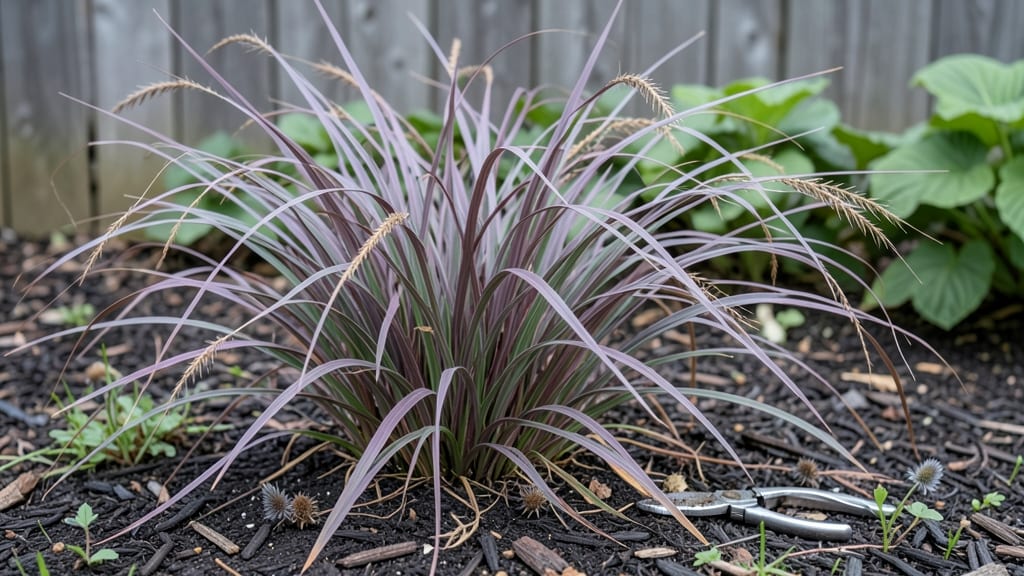
Cutting back purple fountain grass transforms it from a floppy mess to a showstopper that stays vibrant all year. 🌿 I’ve seen this grass go from scraggly to shockingly lush just by following a few key steps—no guesswork involved.
The secret isn’t how much you cut, but when and how you do it.
You’ll need sharp pruners or a clean hedge trimmer, a dust mask for the dust, and about 30 minutes of focused time. The best moment to prune is late winter or early spring, just as new growth starts pushing through.
This gives your grass plenty of time to regenerate before summer heat arrives.
After cutting, you’ll notice fresh, bright green shoots emerging within 2-3 weeks, and by midsummer, your fountain will be fuller than ever. The key is to trim back one-third to half of the plant—never more than that—to avoid stressing the roots.
Leaving some old growth also protects the base from winter cold.
This method works for both small pots and large landscape plantings. Once you’ve done it once, maintaining your purple fountain becomes second nature—just a quick trim each spring keeps it thriving. Ready to give it a try?
📚 In This Guide
- What you need
- Instructions
- Tips and common mistakes
- Wrapping up and next steps
What you need
- ● Heavy-duty pruning shears or hedge clippers – Opt for bypass-style (sharp, clean cuts) or anvil-style (for thicker stems). A 10-12 inch blade works best for dense clumps.
- ● Long-handled loppers (18–24 inches) – For reaching deeper into thick growth without straining your back.
- ● Garden gloves – Heavy-duty, cut-resistant (e.g., mechanized or leather) to protect against sharp blades and thorns.
- ○ Pruning saw (optional but helpful) – If your grass has woody, thick stalks over 1 inch in diameter.
- ○ Compost or mulch – A 2–3 inch layer to replenish nutrients after pruning (optional but recommended).
- ● Disinfectant (70% isopropyl alcohol or bleach solution) – To clean tools between cuts and prevent disease spread.
- ● Trash bags or wheelbarrow – For hauling clippings (aim for 10–20 gallons capacity, depending on your grass size).
- ● Knee pads or a small stool – For comfort if you’re working close to the ground.
- ● Check the weather forecast – Prune on a dry, calm day to avoid slipping or spreading disease.
- ● Wear closed-toe shoes and long sleeves/pants to protect against stray cuts or sun exposure.
- ● Have a first-aid kit handy for minor cuts or scrapes.
- ● Know your plant’s growth cycle – Late winter or early spring (just before new growth) is ideal for purple fountain grass.
Instructions for cutting back purple fountain grass
Here's the straightforward method I use to rejuvenate clumps and keep them thriving.
✂️ Step 1: Time Your Cut Back for Optimal Regrowth
Wait until late winter or early spring when new growth begins but before vigorous shoots appear. This is usually February to March in most climates. You'll notice fresh green buds forming at the base of the plant—this is your signal that the grass is waking up from dormancy.
Never cut back in fall or winter when the grass is completely dormant. You risk damaging new growth that's just starting to form underground. If you miss the spring window, wait until after the first flush of growth in early summer, but expect slower recovery.
🌱 Step 2: Assess and Remove Dead or Damaged Growth
Start by examining the entire clump. Look for brown, dry stems that feel brittle when touched—these are dead and should be removed completely. Use sharp pruning shears to cut these back to the ground level, making clean cuts just above the soil line.
For healthy stems that are still green but overgrown, you can cut them back by one-third to one-half their height. This encourages bushier, denser growth. Avoid cutting into the crown (the very base) unless absolutely necessary, as this can damage the plant's center.
💧 Step 3: Water and Fertilize After Pruning
Water the plant deeply right after cutting back to help it recover. The soil should be moist to a depth of 6 inches. This encourages new root growth and helps the plant bounce back faster. Avoid overwatering, though—soggy soil can lead to rot.
Apply a balanced, slow-release fertilizer (10-10-10) around the base of the plant. Use about ½ cup per 10 square feet of area. This gives the grass the nutrients it needs to produce fresh, vibrant growth. Water again lightly to help the fertilizer settle into the soil.
☀️ Step 4: Monitor and Encourage New Growth
Keep the soil consistently moist for the first 4-6 weeks after pruning. You'll see new shoots emerging from the base within 2-3 weeks if conditions are right. These will be bright green and tender—watch for them to appear as your reward for the hard work.
If growth seems slow, check for these common issues: insufficient light (move to a sunnier spot), compacted soil (loosen with a fork), or pests (inspect leaves for damage). Purple fountain grass thrives in full sun (6+ hours daily), so if it's not getting enough light, it may struggle to recover.
Tips & tricks for perfect purple fountain grass trimming
Don't let overgrown purple fountain grass become a maintenance nightmare—these pro tips will keep it looking lush all season.
Timing is Everything: The February-to-March window is critical because that's when your grass is waking up but hasn't yet sent up vigorous new growth. If you see those first bright green buds at the base, that's your perfect cue. I've learned this the hard way—cutting too early in winter can damage hidden new shoots, while waiting too long makes the plant look scraggly. Watch for those buds like a hawk!
Precision Cutting Technique: When trimming healthy stems in Step 2, use a sharp pair of pruning shears to make clean cuts at a 45-degree angle just above a leaf node. This encourages new growth to sprout from that exact spot. I always cut back by about one-third for mature clumps—this gives the plant room to bush out beautifully. Never cut into the crown unless you're dealing with truly dead growth, as this can kill your plant.
Post-Pruning Care Secrets: After cutting, give your grass a deep drink—think of it like giving your plant a refreshing shower. The 6-inch moisture depth is key for root recovery, but don't drown it! I like to use a soaker hose for this step. And here's a pro move: mix your fertilizer with a little molasses (just 1 teaspoon per gallon of water) when applying—this feeds beneficial microbes that help your grass absorb nutrients faster.
Light and Soil Check: Purple fountain grass is a sun lover, so if growth seems sluggish after pruning, check its light situation first. Move it to a sunnier spot if needed—at least 6 hours of direct sunlight daily makes all the difference. Also, give the soil a quick check: if it feels compacted, use a fork to loosen it slightly around the base. This improves water and nutrient uptake, helping your plant bounce back faster.
Pro Tips for Cutting Back Purple Fountain Grass
- Don't let overgrown purple fountain grass become a maintenance nightmare—these pro tips will keep it looking lush all season.
- Timing is Everything: The February-to-March window is critical because that's when your grass is waking up but hasn't yet sent up vigorous new growth.
- Precision Cutting Technique: When trimming healthy stems in Step 2, use a sharp pair of pruning shears to make clean cuts at a 45-degree angle just above a leaf node.
Frequently asked questions
Got questions about trimming your purple fountain grass? You’re not alone!
Here are answers to the most common concerns—from timing to tools and everything in between. Let’s get those clumps looking sharp again.
When is the best time to cut back purple fountain grass?
The ideal time is late winter or early spring (just before new growth starts), but you can also trim lightly in fall to shape it. Avoid cutting back in summer—this can stress the plant and reduce its winter hardiness. For a neat, year-round look, a light trim in late summer also works!
How short can I cut purple fountain grass?
Never cut it down to the ground level—this can kill the plant! Aim to leave 4–6 inches of stem above the soil. The grass stores energy in its lower stems, so trimming too aggressively removes its food source. Pro tip: Use sharp pruners or shears for clean cuts!
What if my purple fountain grass looks dead after trimming?
Don’t panic! If it’s late winter/early spring, the plant may just be dormant. Wait a few weeks—new growth should emerge. If it’s summer and the grass stays brown, it might be over-pruned or underwatered. Check the soil moisture and give it time to recover.
Can I replace purple fountain grass with something easier to maintain?
If you’re looking for low-maintenance alternatives, try:
- Miscanthus ‘Zebrinus’ (hardy, upright, and drought-tolerant)
- Carex ‘Ice Dance’ (ornamental grass with feathery plumes)
- Pennisetum ‘Hameln’ (bushy, compact, and cold-resistant)
Why does my purple fountain grass keep flopping over?
Flopping usually means it’s too tall, leggy, or needs staking. To fix it:
- Trim it back harder in spring (but leave 4–6 inches).
- Use bamboo stakes or twine to support clumps temporarily.
- Ensure it gets full sun (6+ hours/day)—shade weakens stems.
Wrapping up and next steps
Cutting back your purple fountain grass doesn’t have to be intimidating—it’s all about timing, technique, and a little patience! With the right tools and a clear understanding of when and how to prune, you’ll keep your grass looking vibrant and healthy all year long. 🌿✨
Ready to take the next step? Grab your pruners, mark your calendar for late winter or early spring, and give your grass the fresh start it deserves. Your garden will thank you with lush, eye-catching growth that turns heads in every season!