
Lawn
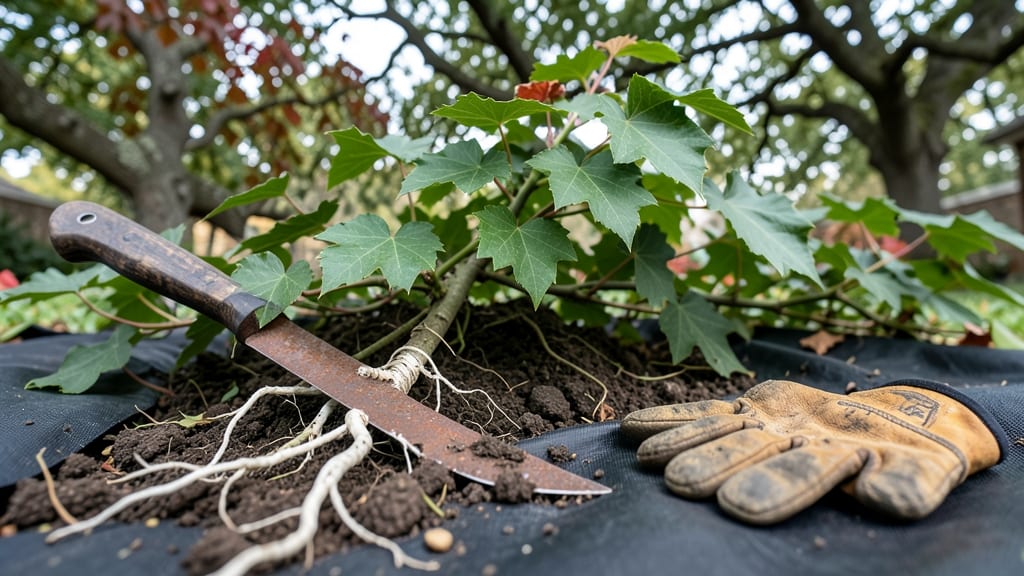
Lawn vine weeds strangle grass roots faster than you can say "mower blade." 🌱 I've battled creeping Charlie and bindweed that turned my yard into a tangled mess—until I learned these three steps that finally gave me back my lawn.
The key is acting early, before vines spread their roots deeper than your grass. You'll need a sharp shovel, a pair of gloves, and either vinegar (for natural control) or a targeted herbicide (for stubborn patches). Most people wait too long, letting vines smother grass before they even notice.
With the right approach, you'll see fresh green grass pushing through within 2-3 weeks. The vines won't just disappear—they'll retreat, leaving your lawn thick and healthy enough to outcompete them naturally. Works for any yard, from small patches to full lawns.
Here's how to tackle them before they take over for good.
📚 In This Guide
- What you need
- Instructions
- Tips and common mistakes
- Wrapping up and next steps
What you need
- ● Garden gloves (1 pair) – Heavy-duty, waterproof gloves (e.g., Workrite or Gloves USA) to protect your hands.
- ● Hand weeder or dandelion digger (1-2) – A sturdy, long-handled tool (e.g., Fiskars or Radial) for deep extraction.
- ● Hoe or lawn knife (1) – A sharp, serrated-edge tool (e.g., Amico) for slicing vines at the root.
- ● Garden shears or pruners (1) – For trimming thick vines (look for bypass pruners with a 6-8" blade).
- ○ White vinegar (20-30% acetic acid) (1 gallon) – Optional but effective for organic spot treatment (dilute to 1:1 with water for safety).
- ● Glyphosate herbicide (1 quart) – For stubborn cases (e.g., Roundup Concentrate). Follow label instructions carefully!
- ● Broadcast spreader (1) – If using pre-emergent herbicide (e.g., Preen), a handheld spreader ensures even coverage.
- ● Rake or stiff-bristle brush (1) – For debris cleanup post-treatment.
- ● Vinegar spray bottle – For targeted applications (mix vinegar + dish soap for adhesion).
- ● Plastic sheeting (1-2 ft²) – Smother weeds before pulling (great for large patches).
- ● Corn gluten meal (5 lbs) – Natural pre-emergent to prevent future vine weeds.
- ● Lawn fertilizer – Boosts grass health to outcompete weeds (choose a high-nitrogen option like 16-4-8).
How to remove lawn vine weeds without the hassle
Here’s how I tackle those stubborn vines—no heavy equipment or toxic chemicals needed.
🌱 Step 1: Identify and Mark the Weeds
First, grab a pair of gardening gloves and walk your lawn on a dry, sunny day when the vines are fully visible. Look for runners spreading across the grass—morning glory, creeping Charlie, or wild cucumber. These vines thrive by sending out long stems that root at nodes, so you’ll see them creeping along the soil surface.
Use a white spray paint marker or a small flag to tag each vine’s starting point. This helps you track where the roots are so you don’t miss any. I like to mark them in a zigzag pattern to avoid stepping on them later. If you miss a node, the vine will regrow, and you’ll be back to square one.
✂️ Step 2: Pull or Cut at the Right Time
Timing matters—wait for a day after rain or right after watering when the soil is soft but not muddy. This makes the roots easier to dislodge. Grab a pair of pruning shears or a sharp shovel and cut the vines at the soil line, about ½ inch above ground level. If the vines are thick, slice them into 6-inch sections to make pulling easier.
For smaller vines, pull them out by hand, grasping the base near the soil. Larger vines may need a digging fork to loosen the roots. Work in sections, and don’t rush—this prevents breaking the stems, which can leave fragments behind to regrow. I like to pull in the early morning when the grass is damp but the vines are still pliable.
🔥 Step 3: Prevent Regrowth with Vinegar or Salt
Once the vines are removed, treat the soil where they were growing to kill any remaining roots. Mix 1 gallon of white vinegar with 1 cup of salt and pour it directly onto the marked spots. The vinegar acts as a natural herbicide, while the salt helps dry out any hidden roots. For larger infestations, repeat this treatment every 3-5 days for two weeks to ensure no regrowth.
If you’re dealing with a heavily infested lawn, consider covering the area with black plastic sheeting for 4-6 weeks to smother any remaining vine roots. This blocks sunlight and starves the weeds out completely. Just make sure to secure the edges tightly so no light sneaks in.
Tips & tricks for eliminating stubborn lawn vines
Real talk: I’ve spent hours pulling vines only to watch them regrow within weeks. These tricks will help you get it right the first time—and keep those weeds from coming back.
Timing Secret: The morning after rain is your golden window for pulling. The soil stays soft longer, and the vines are still pliable from overnight moisture. If you’re working in dry conditions, water the area lightly the night before—just enough to dampen the soil without turning it to mud. This makes Step 2 so much easier, especially for those thick, stubborn stems.
Root Rescue Strategy: When you’re cutting vines at the soil line in Step 2, don’t just chop—dig. Use a trowel to gently lift the soil around the base and expose any hidden root nodes. Even a tiny fragment left behind will regrow. I’ve found that working in small sections (about 3 feet by 3 feet at a time) helps me stay focused on each vine’s full root system without missing anything.
Vinegar-Salt Mix Hack: For the Step 3 treatment, make your vinegar-salt solution in a spray bottle instead of pouring it directly. This gives you better control, especially around grass edges. Spray until the soil is visibly damp but not saturated—too much water can dilute the effectiveness. I also like to add a few drops of dish soap to help the mixture cling to the soil particles and work more effectively.
Plastic Smothering Pro Tip: If you’re using black plastic sheeting for heavily infested areas, cut holes for any existing grass or plants you want to save. Cover these with small rocks to keep the plastic from touching them. The key is complete darkness—even a tiny gap can let sunlight through and allow weeds to survive. I’ve seen amazing results with this method, but it does require patience and consistency.
Pro Tips for Lawn Vine Weeds
- Real talk: I’ve spent hours pulling vines only to watch them regrow within weeks.
- Timing Secret: The morning after rain is your golden window for pulling.
- Root Rescue Strategy: When you’re cutting vines at the soil line in Step 2, don’t just chop—dig.
Frequently asked questions
What are the most common types of lawn vine weeds?
Lawn vine weeds often include creeping Charlie (Glechoma hederacea), clover, wild violet, and ground ivy. These weeds spread aggressively via runners or seeds, smothering grass and leaving bare spots. Identifying them early is key—look for heart-shaped leaves or trailing stems.
When is the best time to remove lawn vine weeds?
Spring and early fall are ideal for tackling vine weeds, when they’re actively growing but before they seed. For persistent types like creeping Charlie, apply pre-emergent herbicides in late summer or early fall to prevent regrowth. Pro tip: Mow high (3–4 inches) to shade out weeds naturally!
Can I pull vine weeds by hand, or do I need chemicals?
Hand-pulling works for small patches, especially after rain when soil is soft. For large infestations, spot-treat with a vine weed killer (like 2,4-D or triclopyr) or use a vine-specific herbicide. Always follow label instructions to avoid damaging grass. Pro tip: Wear gloves—some weeds irritate skin!
How do I prevent vine weeds from coming back?
Prevention starts with a healthy lawn: overseed thin areas, fertilize regularly, and mow consistently. Apply corn gluten meal in early spring as a natural pre-emergent. For stubborn weeds, solarize bare spots with clear plastic sheets in summer to kill roots.
Why do vine weeds keep spreading even after treatment?
Weeds often return if roots or runners remain in the soil. Dig out stubborn fragments and reapply herbicide if needed. Pro tip: Check for hidden runners—dig 2–3 inches deep to ensure full removal. Patience is key; repeat treatments may be necessary for severe cases.
Wrapping up and next steps
Say goodbye to those pesky lawn vine weeds—you’ve got this! 🌱 With the right tools, a little elbow grease, and the steps outlined above, your lawn can go from overrun to lush in no time.
Remember, consistency is key, so keep an eye out for new sprouts and tackle them early.
Ready to reclaim your yard? Start small—clear one section at a time—and celebrate every weed-free inch! Happy gardening! 🌟