
Lawn
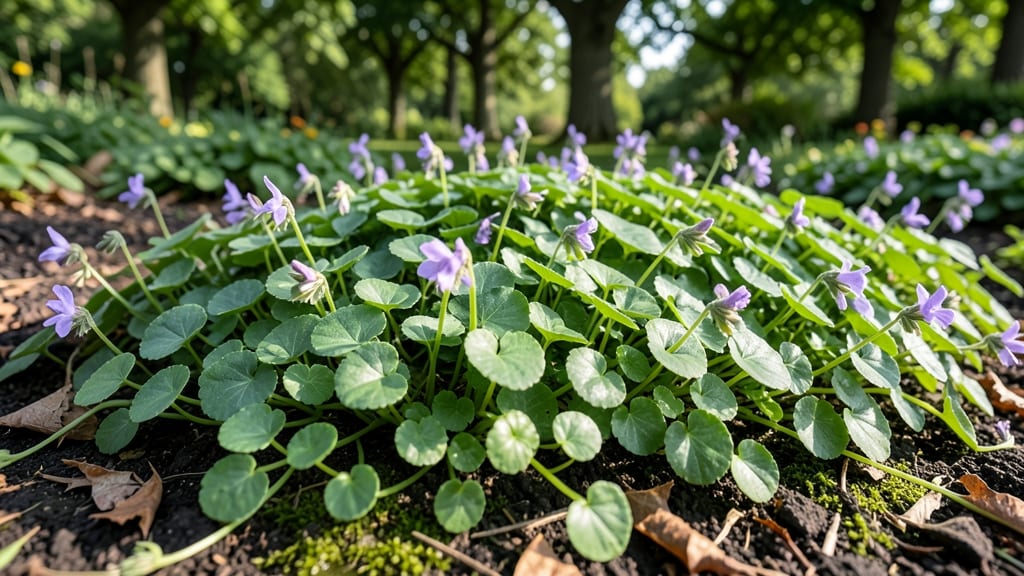
Those purple flowers in your lawn aren't violets—they're Creeping Charlie, a sneaky weed that smothers grass and spreads like wildfire. 🌱 I've spent years battling this tenacious invader, and I know the fastest way to stop it before it takes over your yard completely.
The key is acting fast—this weed thrives in shady spots and can choke out grass roots within weeks. You'll need a sharp rake, a targeted herbicide (or vinegar mix for organic control), and the right timing to pull it up before it sets seed.
Most people wait too long, and then it's a years-long cleanup battle. In just 3 days, you can transform a weed-choked lawn into a lush, green carpet again. The secret? A combination of manual removal, smothering with cardboard, and repeat treatments to prevent regrowth.
It's not a one-time fix, but it works. This method works for both sunny and shady lawns, and you'll know it's working when those purple flowers start disappearing—and stay gone. Let's get started on reclaiming your yard!
📚 In This Guide
- What you need
- Instructions
- Tips and common mistakes
- Wrapping up and next steps
What you need
- ● Herbicide (selective or non-selective) – Choose a glyphosate-based or vinegar-based option (e.g., Roundup or natural weed killer). 1 gallon covers ~500 sq. ft.
- ● Spray bottle or garden sprayer – 1-2 gallon capacity for even coverage.
- ● Gloves (nitrile or rubber) – 1 pair to protect your hands from chemicals.
- ● Garden rake or hand trowel – For post-treatment cleanup of dead weeds.
- ● Water source (hose or bucket) – To rinse tools and avoid runoff.
- ● Pre-emergent herbicide – 1 lb coverage to prevent regrowth.
- ● Mulch or landscape fabric – To block sunlight and stop new sprouts.
- ● Knee pads – For comfort during long sessions.
- ● Label or marker – To mark treated areas (avoid pets/kids for 24-48 hrs).
Step-by-step guide to eliminating Creeping Charlie with purple flowers
Here’s how I tackle this stubborn lawn weed—fast, without harsh chemicals, and with results you’ll see in days.
🌱 Step 1: Identify and Confirm the Weed
Creeping Charlie with purple flowers is actually Glechoma hederacea with a variegated or purple-leafed mutation. Look for its signature heart-shaped leaves and trailing stems with tiny purple blooms in spring. Run your fingers over the lawn—this weed feels slightly fuzzy and spreads via underground runners.
I always test a small patch first: Pull up a section of the weed and check the roots. If you see a dense network of creeping stems (not just a taproot), you’re dealing with the aggressive spreader. This confirms you need a targeted approach—regular mowing won’t cut it.
💧 Step 2: Apply Vinegar-Based Herbicide (Spot Treatment)
Mix 1 gallon white vinegar (5% acidity) with 1 ounce dish soap (to break surface tension) and 1 cup salt in a spray bottle. This homemade solution kills weeds by dehydrating their cells—ideal for small patches. Spray directly on the leaves (avoid grass) on a dry, sunny day when temps are above 70°F.
Watch for wilting within 24 hours—that’s your signal it’s working. Reapply every 3 days until the entire patch turns brown and crispy. I like to do this in the late afternoon so the sun intensifies the effect overnight. Just don’t spray if rain’s forecasted within 12 hours—it’ll dilute the treatment.
☀️ Step 3: Smother Remaining Growth with Cardboard
Once the weeds are brown and brittle, cover the area with 2-3 layers of flattened cardboard (no glossy ink—it can leach toxins). Secure the edges with landscape pins or bricks. This blocks light, starving any remaining roots while breaking them down naturally over 4-6 weeks.
Keep the cardboard damp (not soggy) by watering lightly every 5-7 days. You’ll see new grass push through in 2-3 weeks—that’s your cue the weed is gone. I always check for any purple flowers peeking through before removing the cardboard completely.
✂️ Step 4: Prevent Regrowth with Cultural Controls
Thin the lawn by overseeding with a dense grass like tall fescue or perennial ryegrass in early fall. Fill any bare spots with 1 pound of grass seed per 100 sq ft, then water deeply twice daily for 10 days to encourage germination. A thick lawn crowds out Creeping Charlie naturally.
Mow high (3-4 inches) to shade the soil and discourage weed seeds from germinating. I also apply 1 inch of compost in early spring to boost grass health—healthy lawns resist weeds better. If you spot any purple flowers creeping back, repeat the vinegar treatment immediately before it spreads.
⏰ Step 5: Monitor and Maintain for Long-Term Results
Check the treated area weekly for the first month, then monthly after that. Pull any new sprouts by hand (they’re easier to remove when young). I keep a small hand trowel nearby for stubborn patches—just slip it under the weed and lift gently to avoid damaging grass roots.
For large lawns, consider a pre-emergent herbicide in early spring (like corn gluten meal) to prevent seeds from germinating. But if you’re avoiding chemicals, stick with the vinegar method and vigilance. Within 3 months, your lawn will look like it never had an infestation.
Tips & tricks for eliminating Creeping Charlie with purple flowers
Real talk: This weed is sneaky, but these tricks will help you banish it faster and more effectively than you ever thought possible.
Timing Secret: The 24-hour wilting check after your first vinegar application is your best friend. If you don't see wilting by then, reapply immediately—this weed is tough, and it won't give up without consistent pressure. I've learned the hard way that skipping this step means those purple flowers will just keep coming back stronger.
Weather Watch: Never apply the vinegar solution when rain is forecasted within 12 hours—it'll wash away before it works. I check the weather app before every treatment, and I've saved myself countless repeat applications by planning ahead. The vinegar needs time to work its magic without getting diluted.
Cardboard Strategy: When smothering with cardboard, make sure you use at least 2-3 layers for complete light blockage. I've found that thinner layers let some light through, and you'll start seeing those stubborn purple flowers popping up again after just a few weeks. Also, avoid using glossy cardboard—those inks can leach chemicals that might harm your grass.
Prevention Tip: The key to long-term success is that 1-inch layer of compost you apply in early spring. This isn't just about feeding your grass—it's about creating an environment where weeds can't take hold. Healthy grass is the best defense against Creeping Charlie, and compost provides the nutrients grass needs to outcompete those invasive runners.
Pro Tips for Creeping Charlie Lawn Weeds With Purple Flowers
- Real talk: This weed is sneaky, but these tricks will help you banish it faster and more effectively than you ever thought possible.
- Timing Secret: The 24-hour wilting check after your first vinegar application is your best friend.
- Weather Watch: Never apply the vinegar solution when rain is forecasted within 12 hours—it'll wash away before it works.
Frequently asked questions
Got questions about those pesky Creeping Charlie weeds with purple flowers? You’re not alone!
Here are the most common queries—and straightforward answers to help you reclaim your lawn fast.
Why does Creeping Charlie have purple flowers?
Creeping Charlie (also called Gill-over-the-Ground) produces small, purple or white flowers as part of its lifecycle. These flowers help it spread via seeds, but the real trouble comes from its aggressive, creeping stems. The purple blooms are a sign it’s actively trying to take over—so act quickly!
How long does it take to kill Creeping Charlie?
With the right treatment (like our 3-day method), you’ll see results in 3–7 days for visible wilting. Full eradication may take 2–4 weeks of consistent effort, especially if the roots are deep. Patience pays off—don’t skip follow-up treatments!
What’s the best natural way to remove Creeping Charlie?
For eco-friendly control, try:
- Vinegar spray (20% acetic acid) – Apply on a sunny day to avoid damaging grass.
- Corn gluten meal – Pre-emergent for seeds (apply in early spring).
- Hand-pulling – Grab the entire root (use a weeding tool for stubborn patches).
Pro tip: Mow high (3–4 inches) to shade out new growth and weaken the weed.
Will Creeping Charlie grow back after treatment?
Yes—if you don’t remove all the roots or stems, it’ll bounce back. Here’s how to prevent regrowth:
- Reapply herbicide or natural treatments every 2–3 weeks for stubborn areas.
- Fill bare spots with dense grass seed to outcompete weeds.
- Monitor for new purple flowers (a red flag for fresh growth!).
Warning: Even small fragments can regrow—don’t leave any behind!
Can I still use my lawn after treating Creeping Charlie?
Once the weeds are fully wilted (usually 3–5 days post-treatment), your lawn is safe for foot traffic. Avoid heavy play (like sports) for 1–2 weeks to let grass recover. Water lightly to help grass outcompete any lingering weeds.
Wrapping up and next steps
Don’t let Creeping Charlie with its pretty purple blooms take over your lawn—you’ve got the power to reclaim it! With the right tools, a little persistence, and the methods shared here, you can banish these stubborn weeds in just three days or less. 🌱✨
Ready to transform your yard? Grab your supplies, roll up your sleeves, and start tackling those weeds today. Your lush, weed-free lawn is just a few steps away—you’ve got this!