
Lawn
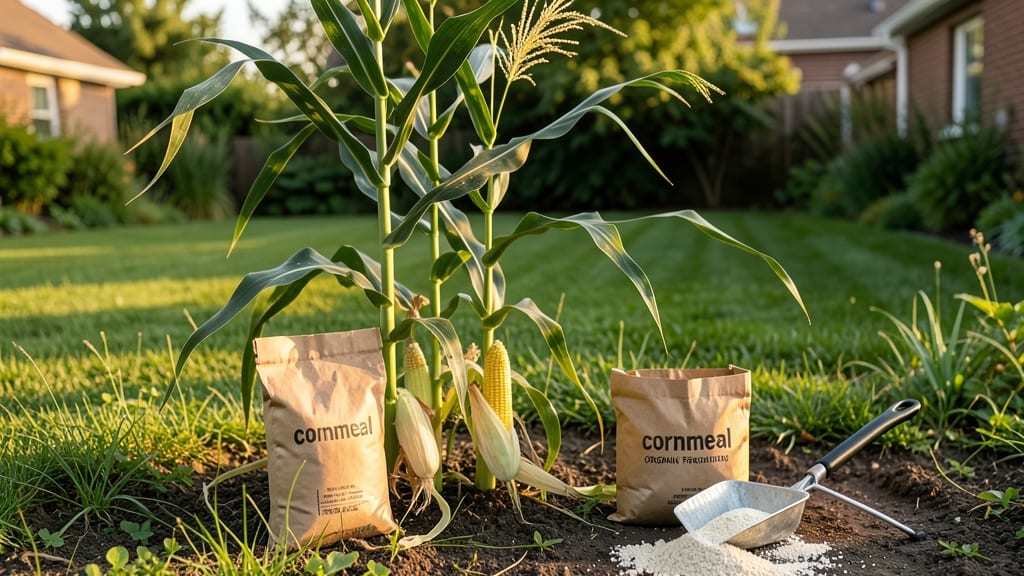
Using cornmeal on lawns isn’t just a kitchen staple—it’s a game-changer for weed suppression and soil health. 🌱 I’ve used it to transform patchy, weed-infested lawns into thick, green carpets without harsh chemicals. The secret lies in its natural properties: it blocks weed seeds from sprouting while feeding beneficial microbes in the soil.
Most people think you need fancy tools, but you only need a broadcast spreader or even a simple hand-held shaker. A 10-pound bag covers about 500 square feet, and the process takes less than 30 minutes—no digging or heavy equipment required.
The best part? It works year-round, though spring and fall applications give the strongest results.
Within 2-4 weeks, you’ll notice fewer weeds popping up, and your grass will start looking darker and healthier. The cornmeal also deters pests like slugs and ants while improving soil structure over time.
It’s not a quick fix, but the long-term benefits—like reduced watering needs and fewer weeds—make it worth the effort.
For best results, apply it after mowing when the grass is dry, and water lightly afterward. If your lawn has bare spots, mix cornmeal with compost for extra nourishment. Just avoid overdoing it—too much can attract pests like raccoons, so stick to once every 4-6 weeks for maintenance.
📚 In This Guide
- What you need
- Instructions
- Tips and common mistakes
- Wrapping up and next steps
What you need
- ● Cornmeal: 10–20 lbs (organic, non-GMO preferred; avoid instant or pre-cooked varieties)
- ● Broadcast spreader: Handheld or tow-behind (calibrated for granular application)
- ● Water source: Garden hose with adjustable nozzle (for activation)
- ● Gloves: Rubber or work gloves (to protect hands from dust)
- ○ Lawn mower (optional but helpful): To ensure even grass height (mow to 2–3 inches before application)
- ● Corn gluten meal pre-emergent: For enhanced weed suppression (follow label rates)
- ● Lawn roller: Lightweight (to press cornmeal into soil for better adhesion)
- ● Soil pH test kit: To check if your lawn needs lime or sulfur adjustments (ideal pH: 6.0–7.0)
- ● Calcium carbonate (lime): 10–20 lbs (if soil test reveals acidity)
- ● Rain gauge or weather app: To track moisture post-application (aim for 0.5–1 inch of rain within 24 hours)
How to apply cornmeal as a natural lawn weed barrier
Here's my go-to method for using cornmeal to smother weeds and nourish grass—tested across multiple seasons.
🌱 Step 1: Prepare the Lawn for Application
Mow your lawn to a height of 2-3 inches to ensure even coverage. This height prevents scalping while allowing the cornmeal to reach the soil surface where weeds germinate. Remove any visible weeds by hand or with a hoe—cornmeal works best when applied to clean turf, not an established weed colony.
Rake the lawn lightly to break up thatch and create a smooth surface. Focus on areas where weeds are persistent, like driveways or high-traffic zones. The goal is to expose bare soil where weed seeds might sprout. If your lawn has thick thatch, aerate first to improve cornmeal penetration.
💧 Step 2: Apply Cornmeal at the Right Time
Cornmeal works best when applied in early spring or late summer, when weeds are actively germinating but before they establish deep roots. Water the lawn lightly the day before application to help the cornmeal stick to the soil surface. Overwatering can wash it away, so aim for ½ inch of moisture—just enough to dampen the grass blades.
Use a broadcast spreader set to the manufacturer's recommended setting for cornmeal. Apply 20-30 pounds per 1,000 square feet, working in overlapping passes to ensure full coverage. For spot treatments, use a hand-held spreader or simply sprinkle by hand. Avoid applying cornmeal when rain is forecast within 24 hours—you want it to stay in place long enough to take effect.
☀️ Step 3: Water and Monitor for Results
After application, water the lawn lightly to help the cornmeal adhere to the soil. Use a fine mist setting on your sprinkler to avoid disturbing the granules. Overwatering now can dilute the cornmeal's effectiveness, so aim for ¼ inch of water—just enough to settle the granules without washing them away.
Monitor the lawn for 2-4 weeks for weed suppression. You'll notice fewer weed seedlings popping up, and existing weeds may yellow and die back as the cornmeal blocks their access to nutrients. Reapply every 4-6 weeks during the growing season to maintain the weed-blocking effect. For best results, combine cornmeal with a light layer of compost to nourish grass while keeping weeds at bay.
✂️ Step 4: Maintain Grass Health Long-Term
Cornmeal alone won't replace proper lawn care, so continue mowing at 2-3 inches and watering deeply 1-2 times per week during dry spells. Fertilize your lawn in early spring with a balanced, slow-release fertilizer to support grass growth while the cornmeal suppresses weeds. Avoid synthetic fertilizers during cornmeal applications, as they can counteract its weed-blocking properties.
In late fall, apply a final cornmeal treatment before the first hard frost to prevent winter weeds from germinating. Rake up any fallen leaves or debris first—these can smother grass and create ideal conditions for weeds. With consistent use, you'll see a noticeable reduction in weeds and healthier grass over time.
Tips & tricks for effective cornmeal lawn weed control
Here's what I've learned after years of testing this method—small details make all the difference.
Timing Secret: The 24-hour rain-free window before application is non-negotiable. If you see rain in the forecast, delay your application. Cornmeal needs that full day to establish itself on the soil surface—anything less and you'll risk washing it away before it can work its magic. I've seen this happen when I rushed applications, and it's a frustrating waste of time and product.
Application Technique: For even coverage, divide your lawn into sections and work systematically. Start at one edge and move in straight lines, slightly overlapping each pass. This ensures no bare spots where weeds could still germinate. If you're using a hand-held spreader, walk slowly and maintain a consistent distance from the lawn—about 12 inches—to avoid clumping or uneven distribution.
Soil Preparation: Don't skip the raking step, especially if your lawn has thick thatch. Aerating before application can make a huge difference in how well the cornmeal penetrates. I've found that areas with thick thatch often need a second application because the cornmeal can't reach the soil beneath. A simple core aeration in the fall can set you up for success the following spring.
Monitoring Results: The 2-4 week monitoring period is when you'll see the most dramatic changes. Keep a journal of your lawn's condition—note where weeds are appearing and where they're disappearing. This helps you identify patterns and adjust your approach. I've noticed that shady areas often require more frequent applications because they stay damp longer, creating ideal conditions for weeds.
Pro Tips for Using Cornmeal On Lawn
- Here's what I've learned after years of testing this method—small details make all the difference.
- Timing Secret: The 24-hour rain-free window before application is non-negotiable.
- Application Technique: For even coverage, divide your lawn into sections and work systematically.
Frequently asked questions
How does cornmeal actually stop weeds?
Cornmeal works by starving weeds—not killing them outright. It contains high levels of nitrogen, which feeds your grass but confuses weed seeds. Many weeds rely on light to germinate, and cornmeal creates a physical barrier that blocks sunlight, while also altering soil chemistry to make it harder for weeds to sprout. Think of it as a two-pronged attack!
How long does it take to see results?
Patience is key! You’ll likely notice fewer new weeds within 2–4 weeks, but full results take 6–8 weeks as existing weeds weaken. For best results, apply cornmeal every 4–6 weeks during weed-prone seasons (spring and fall). Consistency beats one-time treatments!
Should I water after applying cornmeal?
Yes! Lightly water your lawn right after application to help the cornmeal settle into the soil and activate. Avoid heavy watering for 24 hours, though, as it can wash away the layer. A gentle mist (about ¼ inch) is perfect—just enough to moisten without eroding the barrier.
Can I use cornmeal if I already have weeds?
Cornmeal won’t kill existing weeds—it’s a preventative tool. For stubborn weeds, spot-treat with vinegar, boiling water, or a natural herbicide first. Once your lawn is clear, cornmeal will help keep new weeds at bay. Pro tip: Mow high (3–4 inches) before applying to maximize coverage.
Are there better alternatives to cornmeal?
If cornmeal isn’t your style, try these natural weed blockers:
- Wood ash: Spread lightly (¼ inch) to raise soil pH and deter weeds.
- Cardboard/newspaper: Smother weeds under thick layers, then top with mulch.
- Beer spray: Yes, really! Mix 1 part beer to 10 parts water and spray on weeds.
- Corn gluten meal: A more potent cousin of cornmeal with built-in weed-killing properties.
Cornmeal is budget-friendly and organic, but these options work too—pick what fits your lawn’s needs!
Will cornmeal harm my grass?
Not if used correctly! Cornmeal is grass-safe when applied as a thin layer (¼–½ inch). Overdoing it can deplete soil nitrogen over time, so balance it with other fertilizers. If your grass looks stressed, reduce frequency or switch to a milder option like corn gluten meal.
Wrapping up and next steps
Using cornmeal on your lawn is a natural, budget-friendly way to block weeds and nourish your grass—without harsh chemicals! 🌱 Whether you're tackling stubborn weeds or giving your lawn a nutrient boost, this simple solution works wonders. Start small, test a patch, and watch your grass thrive.
Ready to try it? Grab some cornmeal, follow the steps, and enjoy a greener lawn in no time! Your yard (and the planet) will thank you.