
Lawn
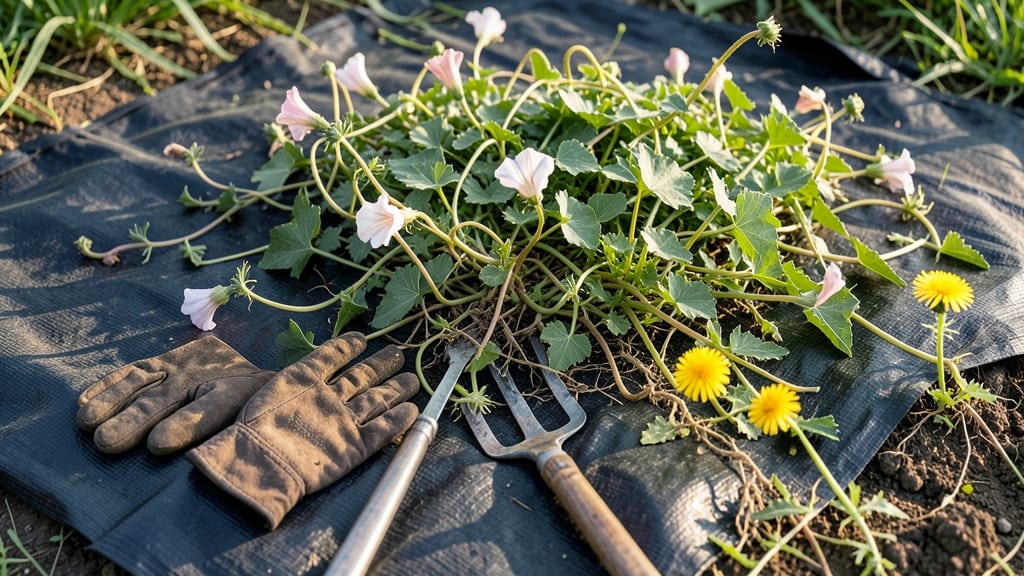
Bindweed in lawns isn't just a nuisance—it's a tenacious invader that twists through grass like a living rope. 🌱 I've battled this stubborn weed for years, and what I learned changed how I approach lawn care forever. The key isn't brute force but smart, persistent strategies that actually work.
The problem starts underground—bindweed roots can grow 30 feet long and survive years of neglect. Most lawn treatments fail because they only target the visible vines, while the roots lurk beneath, ready to regrow. But there's hope: a combination of hand-pulling, smothering, and targeted herbicides can break its cycle.
By the end of this, your lawn will look clean and healthy without the bindweed's choking grip. We'll cover the best times to strike, how to spot hidden roots, and long-term habits that keep it from coming back. No more frustration—just a lawn you can actually enjoy.
Whether you're dealing with a small patch or a full-blown infestation, these methods work for any yard size. Let's get started with a plan that actually delivers results.
The Hidden Triggers Inviting Bindweed
Bindweed—often called "morning glory" for its delicate flowers—isn’t just a nuisance; it’s a biological invader with a knack for exploiting your lawn’s weaknesses. Understanding why it thrives is the first step to starving it out for good.
Below, we break down the science-backed reasons bindweed takes root in your yard, from soil conditions to human habits.
Bindweed loves loose, nutrient-rich soil with high organic matter—basically, the Ritz-Carlton of weed habitats. Here’s why:
- Loose, aerated soil: Bindweed’s vines need room to sprawl and its roots to penetrate deeply (up to 15 feet!). Compacted lawns suffocate it, but well-drained, fluffy soil gives it the perfect runway. Test your soil: Dig a 6-inch hole. If soil crumbles easily, bindweed sees it as an all-you-can-eat buffet.
- High organic matter: Compost, leaf litter, or old mulch create a fertile playground for bindweed seeds. These seeds can lie dormant for decades (yes, decades!) before germinating when conditions are ideal—think of them as lawn time capsules waiting for the right moment to explode.
- pH imbalance: Bindweed thrives in slightly acidic to neutral soil (pH 6.0–7.0). If your lawn’s pH skews alkaline (above 7.5), it might seem resistant, but bindweed can still sneak in via cracks or disturbed areas.
💡 Pro Tip: If your soil is the perfect bindweed buffet, amend it with sand or gypsum to improve drainage and reduce organic buildup. But skip the fresh compost—it’s like rolling out the welcome mat.
Bindweed seeds are master survivors, lying dormant until triggered by specific conditions. These are the wake-up calls they respond to:
- Disturbed soil: Tilling, aerating, or even heavy foot traffic can expose dormant seeds buried just ½ inch deep. One tilling session can unleash a bindweed tsunami for years.
- Moisture fluctuations: Bindweed seeds germinate when soil moisture dips after a long wet period (e.g., spring rains followed by dry spells). This mimics its natural habitat in riverbanks, where seasonal floods and droughts signal "go time."
- Warmth + sunlight: Seeds need consistent warmth (60–85°F) to germinate. That’s why bindweed often explodes in early summer—your lawn’s peak growing season is also its prime time.
🌡️ Actionable Fix: If you’re planning to aerate or till, test for bindweed first (look for heart-shaped leaves or white morning-glory flowers). If it’s lurking, smother it first with thick cardboard or landscape fabric for 4–6 weeks to starve seeds before disturbing the soil.
Bindweed is a opportunist, and a poorly maintained lawn is its golden ticket. Here’s how laziness (or lack of knowledge) helps it win:
- Thin or patchy grass: Bindweed smothers weak grass by blocking sunlight. If your lawn has bare spots, it’s like handing bindweed a monopoly set—it’ll spread unchecked.
- Over-fertilizing: Too much nitrogen (especially quick-release fertilizers) creates lush but weak grass that can’t compete with bindweed’s aggressive growth. Bindweed doesn’t need fancy fertilizers—it’s happy with any extra nutrients.
- Ignoring thatch buildup: A thick thatch layer (over ½ inch) traps moisture and seeds, creating a bindweed nursery. Dethatching can expose seeds, but do it in fall or early spring (not summer) to avoid triggering germination.
✨ Game-Changer: Strengthen your grass with slow-release fertilizer (like 16-4-8) and overseed bare patches with a bindweed-resistant grass blend (e.g., tall fescue or perennial ryegrass). A dense lawn is bindweed’s worst enemy.
Bindweed doesn’t just grow—it hitchhikes. Here’s how everyday actions accidentally introduce it:
- Contaminated soil or mulch: Topsoil, compost, or mulch from unknown sources can harbor bindweed seeds. Always ask: "Is this soil certified weed-free?"
- Planting infected perennials: Bindweed’s roots can twine around other plants (like roses or shrubs). If you’re buying perennials, inspect roots for bindweed tendrils before planting.
- Sharing gardening tools: Mower blades, shovels, and rakes can carry seed fragments from one yard to another. Clean tools with bleach or rubbing alcohol after use.
- Composting garden waste: Bindweed seeds survive composting. If you compost, heat the pile to 140°F+ for 3+ days to kill seeds—or skip composting entirely for infected plants.
🚫 Hard Stop: If you suspect bindweed in new soil or plants, quarantine it immediately and do not use it in your yard. One seed can lead to a decade-long battle.
Kick Out Bindweed for Good
Bindweed—also known as morning glory—can turn your lush lawn into a battleground. But don’t let its persistence scare you. With the right approach, you can reclaim your yard. Below, we break down cause-specific solutions to tackle bindweed at every stage, from early detection to stubborn root systems.
Plus, we’ll share prevention tips to keep it from creeping back.
If you spot bindweed before it takes over, act fast with these methods:
🔥 Pull It by Hand (Best for Small Patches)
- When to do it: Early morning or evening when soil is moist (bindweed roots are easier to remove).
- How to do it:
- Wear gloves—bindweed sap can irritate skin.
- Grab the base of the plant (not just the leaves) and twist to break the taproot.
- Check for roots: Even a small piece left in the ground can regrow.
- Pro Tip: 💡 Use a hula hoop or board to smother the area after pulling to starve remaining roots.
🍳 Vinegar Spray (Non-Toxic but Fast-Acting)
- Best for: Small infestations where you want chemical-free control.
- How to do it:
- Mix 1 gallon of white vinegar (20% acetic acid) + 1 oz. dish soap (as a surfactant).
- Spray directly on leaves (avoid desirable plants—vinegar burns everything).
- Reapply every 3–5 days until the plant wilts and dies.
- Warning: ⚠️ Works best on young plants—mature bindweed may need follow-up.
If bindweed has thickened its roots and spread aggressively, you’ll need a two-pronged attack:
🔪 Dig Deep (For Stubborn Roots)
- When to dig: After rain when soil is soft.
- How to do it:
- Use a shovel or garden fork to pry under the plant—bindweed roots can grow 6+ feet deep!
- Pull upward while twisting to sever the taproot.
- Inspect the soil—remove all root fragments (even tiny pieces regrow).
- Pro Tip: 🌡️ Boil water and pour it into the hole to kill remaining root tissue.
🥘 Herbicide Treatment (For Large Infestations)
- Best herbicides: Glyphosate (Roundup) or triclopyr (for woody stems).
- How to apply:
- Spray on a windless day to avoid drift.
- Cover the entire plant (including leaves and stems).
- Wait 24–48 hours, then dig up the dead plant to remove roots.
- Safety First: ⚠️ Wear gloves, goggles, and a mask—herbicides are toxic.
Once you’ve won the battle, lock it down with these long-term strategies:
| Method | How It Works | Best For |
|---|---|---|
| Smothering (Cardboard/Mulch) | Blocks sunlight, starving roots. Use black plastic or thick mulch for 4+ weeks. | Shady or heavily infested areas |
| Regular Mowing | Keeps bindweed from flowering (prevents seed spread). Mow high (3–4 inches). | Lawn maintenance |
| Soil Solarization | Cover soil with clear plastic for 6+ weeks in hot sun to kill roots. | Summer treatment |
| Competitive Grasses | Plant dense, healthy turf (like tall fescue or Bermuda grass) to outcompete bindweed. | New lawns or repairs |
- Pro Tip: ✨ Plant deep-rooted ground covers (like clover or creeping thyme) in problem areas—they crowd out bindweed naturally.
| Step | Timeframe | Goal |
|---|---|---|
| Hand-pulling | 1–2 weeks | Remove visible plants |
| Herbicide/Smothering | 3–6 weeks | Kill deep roots |
| Follow-Up Checks | Every 2–4 weeks | Catch regrowth early |
| Prevention | Ongoing | Keep bindweed from returning |
Final Reminder: Bindweed is tough, but consistency wins. Combine manual removal, herbicides (when needed), and prevention—and you’ll have a weed-free lawn in no time! 🚀
Frequently asked questions
How do I tell if I have bindweed or just regular morning glory?
Bindweed and morning glory look similar, but bindweed has heart-shaped leaves and grows aggressively in lawns, while morning glory typically stays in gardens. Bindweed also produces white or pink flowers and has thick, woody roots that can survive for years—look for vines twisting through your grass.
Can I use corn gluten meal to prevent bindweed?
Corn gluten meal helps prevent new weeds by stopping seed germination, but it won’t kill existing bindweed. For bindweed, focus on manual removal or herbicides first, then apply corn gluten in fall or early spring to block future seeds from sprouting.
Will mowing my lawn help control bindweed?
Mowing alone won’t eliminate bindweed, but keeping grass at 3–4 inches tall helps slow its spread by preventing seed production. For best results, combine mowing with hand-pulling or herbicide treatments—especially in early summer when bindweed is most active.
How long does it take to completely remove bindweed?
Bindweed removal can take 1–3 years depending on the infestation size. The key is consistency: combine manual pulling, smothering, and herbicides while monitoring for regrowth. Deep roots mean it’s a marathon, not a sprint!
Is bindweed poisonous to pets or children?
Bindweed is not toxic to pets or humans, but its roots and vines can cause stomach upset if ingested in large amounts. Keep pets away while treating it with herbicides, as chemicals pose a greater risk than the plant itself.