
Watering
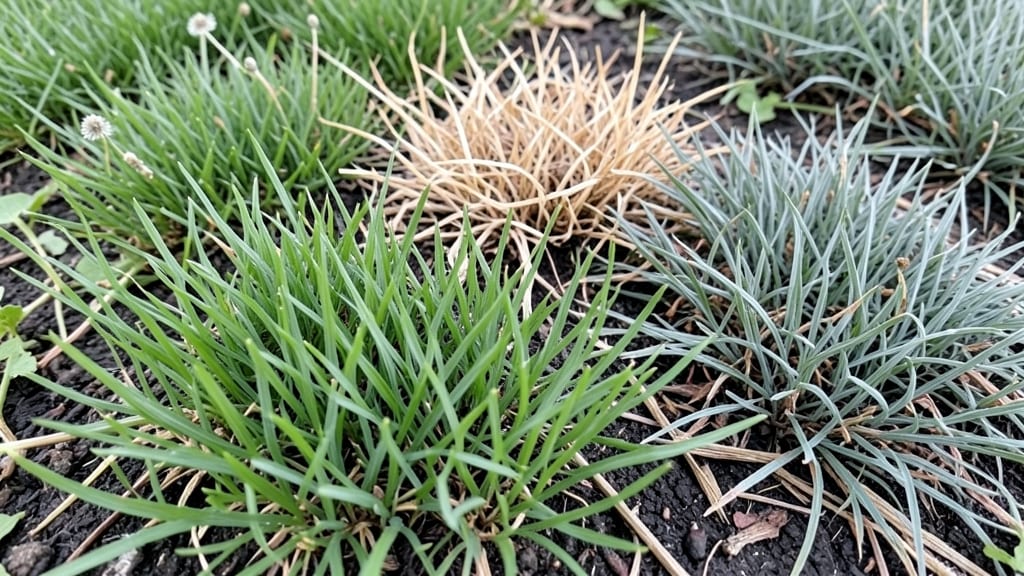
Spotting the difference between underwatered overwatered grass can save your lawn—just look for those telltale signs: yellowing patches, spongy soil, or brittle blades. 🌱 I’ve diagnosed these issues in my own yard after wasting gallons of water on guesswork, and once you learn the difference, you’ll never second-guess again.
The key lies in the roots and soil. Underwatered grass pulls away from the soil, leaving cracks when dry, while overwatered grass sits in soggy ground that smells musty. Check the top 2 inches—if it’s bone-dry, water deeply; if it’s still damp after 48 hours, cut back immediately.
Both extremes stress your lawn, but the fixes are straightforward once you know the signs.
You’ll see the turnaround within a week: firm soil that holds moisture without puddling, blades that spring back when stepped on, and a rich green that lasts all season. The secret isn’t complicated—it’s paying attention to what your grass actually needs, not what you think it needs.
Works for any grass type, from cool-season Kentucky bluegrass to warm-season Bermuda. Here’s how to spot the difference and keep your lawn thriving without the guesswork.
The first option explained
Option A: The "Thirsty but Resilient" Grass 🌱💦
If your lawn resembles Option A, you’re likely dealing with moderate underwatering—a common yet fixable issue. This stage is characterized by grass that’s dull, slightly crispy at the tips, and pulling away from the soil when tugged.
Think of it as your grass sending you a subtle SOS before it fully wilts.
🔍 Key Characteristics
- Color: Pale green to grayish-blue (like a sad, thirsty carpet).
- Texture: Slightly rough or brittle to the touch, especially in foot traffic areas.
- Leaf Feel: Dry or papery edges when rolled between fingers.
- Recovery Test: Grass springs back slowly when stepped on (not immediately snappy).
🌟 Why It’s a Good Sign
Unlike severe underwatering (where grass turns brown and stays that way), Option A grass is still alive and recoverable with proper hydration. Here’s why this stage is your golden opportunity:
- Minimal long-term damage: Roots are still active, so they’ll bounce back faster than deeply dehydrated grass.
- Cost-effective fix: No need for reseeding or soil amendments—just consistent watering.
- Prevents pests: Stressed grass attracts grubs and chinch bugs, but this stage is just mildly stressed.
💡 Best Use Cases
Option A is ideal for:
- New lawns: Helps identify if your irrigation system needs adjustment before roots establish.
- Drought-prone areas: Teaches you to recognize early warning signs before grass turns crispy.
- DIY gardeners: A clear signal to adjust watering schedules (e.g., switching to deep, infrequent watering instead of light daily spritzes).
Pro Tip: 💡 Test your soil’s moisture by digging 3–4 inches deep. If it’s dry but not powdery, your grass is in Option A territory—time to hydrate! Aim for 1–1.5 inches of water per week (including rainfall) to revive it.
The second option explained
If you’ve ever stared at your lawn and thought, "This looks like a swamp—or a desert!"—Option B is your lifeline. This approach focuses on corrective watering, where you adjust your routine based on real-time soil and leaf diagnostics rather than sticking to a rigid schedule.
Think of it as a grass-specific spa day, where hydration is tailored to your lawn’s mood (yes, grass has moods!).
🌱 Key Characteristics
Option B thrives on observation and adaptability. Here’s what sets it apart:
- Soil Test First: Before watering, check soil moisture 1-2 inches deep—stick your finger in or use a moisture meter. If it’s dry, water; if damp, hold off. No guessing!
- Leaf Clues: Blue-gray or folded blades? Underwatered. Yellow, spongy, or mushrooming grass? Overwatered. Your leaves are basically whispering their needs.
- Deep but Infrequent: Water slowly and deeply (1-1.5 inches per session) to encourage deep root growth. Think drip irrigation or soaker hoses, not sprinklers blasting for 5 minutes.
- Time of Day: Water early morning (4-8 AM) to minimize evaporation and fungal risks. No midnight water parties!
🌟 Benefits
Switching to Option B is like upgrading from a flip phone to a smartphone for your lawn:
- Stronger Roots: Deep watering trains grass to seek moisture below the surface, making it drought-resistant.
- Fewer Pests/Diseases: Overwatered grass = soggy shoes and fungus. Corrective watering keeps your lawn healthy and pest-free.
- Water Savings: No more wasting H₂O on thirsty soil. Eco-friendly and budget-friendly!
- Customizable: Adjust for climate, grass type (Bermuda vs. Kentucky Blue), and even your local microclimate.
🏡 Typical Use Cases
Option B shines in these scenarios:
| Situation | Why Option B Wins |
|---|---|
| New Lawns (First 30-60 Days) | Seedlings need consistent moisture but choke in waterlogged soil. Option B keeps roots happy without drowning them. |
| Drought-Prone Areas | Deep watering once a week (or as needed) beats daily shallow sprinkles. Your grass will thank you with lush, resilient growth. |
| Clay or Compacted Soil | Heavy soil holds moisture like a sponge—overwatering = root suffocation. Option B’s soil checks prevent this. |
| High-Traffic Areas (Pet Pads, Play Zones) | Grass here gets compacted and stressed. Corrective watering helps it recover faster between trampling sessions. |
Pro Tip: 💡 Pair this with a weekly soil check and a lawn calendar (track watering dates/amounts). Over time, you’ll intuit your grass’s needs—like a lawn whisperer!
Key differences
Understanding the between underwatered and overwatered grass can save your lawn from unnecessary stress—and your wallet from costly repairs. While both conditions stem from poor watering habits, their symptoms, causes, and fixes are worlds apart.
Below, we break down the visual and functional contrasts so you can diagnose (and correct) your lawn’s hydration issues like a pro. 🌱💧
🌿 Leaf Color and Appearance
This is the most obvious clue, and it’s where underwatered and overwatered grass diverge dramatically.
- Underwatered: Leaves turn dull grayish-blue or straw-colored, almost like they’re crisping up. The grass may feel dry and brittle to the touch, almost like paper.
- Overwatered: Leaves appear dark green or yellowish, often with a soggy, mushy texture. In extreme cases, they may look waterlogged or translucent, as if they’ve been sitting in a puddle.
🏡 Soil Condition
The health of your soil is a direct reflection of how you’re watering your lawn.
| Underwatered Soil | Overwatered Soil |
|---|---|
|
|
🌡️ Temperature and Touch Test
A quick physical check can reveal whether your grass is thirsty or drowning.
- Underwatered: Grass blades feel warm to the touch (especially in the sun) and may snap easily when bent.
- Overwatered: Grass feels cool and clammy, almost dewy even in dry weather. It may bend without snapping due to weakened cell structure.
🌱 Root Development
What’s happening below the surface tells the real story of your lawn’s health.
- Underwatered: Roots are short, thick, and shallow, often white or pale from lack of moisture. They may pull away easily from the soil.
- Overwatered: Roots appear thin, sparse, and brownish due to oxygen deprivation. They may smell foul and feel mushy when handled.
🐛 Pest and Disease Susceptibility
Extreme watering conditions invite trouble—but in opposite ways.
- Underwatered: Grass becomes stressed and weak, making it vulnerable to drought-loving pests like chinch bugs or grubs.
- Overwatered: Creates a perfect breeding ground for fungi (e.g., brown patch, dollar spot) and sod webworms.
⏳ Recovery Time
How quickly your lawn bounces back depends on the damage.
- Underwatered: Recovers relatively fast (within 1–2 weeks) with proper watering and deep soaking.
- Overwatered: Takes longer to heal (weeks or months) due to root rot or fungal infections. May require aeration, fungicides, or even reseeding.
When to choose which
Knowing when to underwater or overwater your grass isn’t just about guesswork—it’s about reading your lawn’s unique needs! Here’s a quick guide to help you decide which approach works best for your situation:
🌱 Choose Underwatering When:
- Your grass is drought-resistant: Varieties like Bermuda or Zoysia thrive with less water once established. Let the soil dry out slightly between waterings to encourage deep root growth. 💡 Pro tip: Water deeply but infrequently (1-1.5 inches per week) to avoid shallow roots.
- You’re dealing with heavy clay soil: Overwatering can drown roots in compacted soil. Let the top 2-3 inches dry out before watering again to prevent suffocation.
- You’re trying to prevent fungal diseases: Wet conditions breed fungi like brown patch. Underwatering reduces excess moisture, keeping your lawn healthier long-term.
- You’re in a hot, dry climate: Grass like Buffalo or Fescue can handle less frequent watering. Early morning watering (before 10 AM) minimizes evaporation.
💦 Opt for Overwatering When:
- Your grass is newly seeded or sodded: Keep soil consistently moist (like a wrung-out sponge) for the first 2-4 weeks to encourage root establishment. ✨ Key: Use a sprinkler with a gentle mist setting to avoid displacing seeds.
- You’re in a sandy or fast-draining soil: Water evaporates quickly, so more frequent, lighter waterings may be needed to keep roots hydrated.
- Extreme heatwaves or high winds are stressing the grass: Temporary overwatering can help revive wilted blades, but monitor for signs of stress (like yellowing) to adjust.
- You’re growing high-maintenance grasses: Cool-season grasses like Kentucky Bluegrass or Ryegrass need consistent moisture to stay lush. Aim for 1-1.5 inches per week.
🌡️ Remember: The "best" approach depends on your grass type, soil, and climate. Always check for visual clues (like wilting or yellowing) and adjust your watering schedule seasonally. When in doubt, less is often more—overwatering is a far more common mistake than underwatering!
The bottom line
Mastering the balance between underwatered and overwatered grass isn’t just about luck—it’s about observation and action! 🌱 By now, you’ve spotted the key differences in soil texture, leaf color, and root health that give away watering woes.
Remember: dry, brittle blades scream for hydration, while yellowing, mushy patches mean you’ve drowned your lawn.
Still unsure? Check the soil—a quick finger test or moisture meter can save your grass (and your time!). Adjust your watering schedule based on weather, grass type, and season.
With these clues in hand, you’re ready to give your lawn the perfect drink—neither too little nor too much. Happy watering! 💦