
Diseases
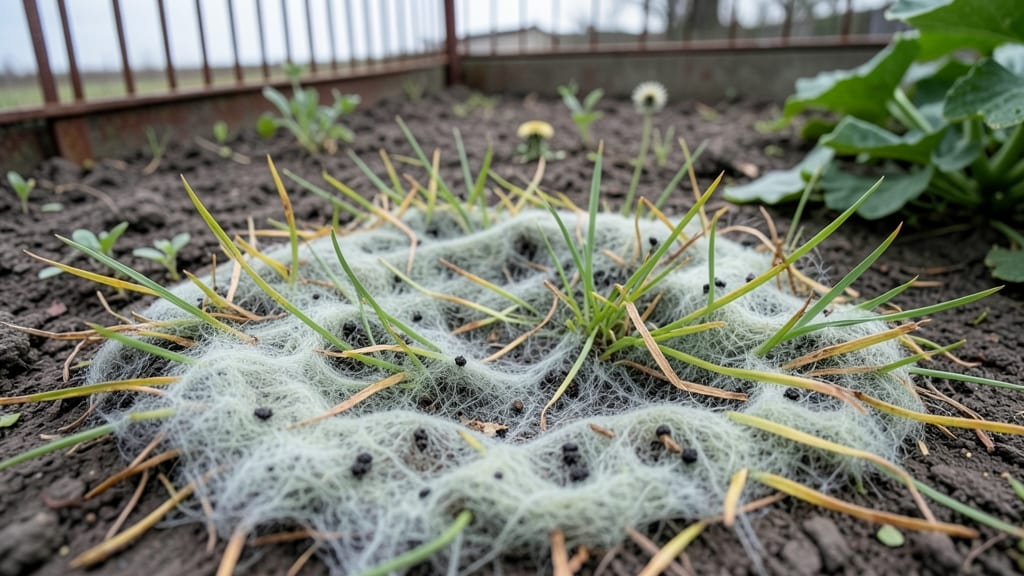
Fungus thrives on overwatered grass like a beach vacation—too much moisture creates the perfect breeding ground. 🌱 I’ve watched entire lawns turn from vibrant green to sad, patchy brown in just a few weeks, and the fix isn’t as complicated as it seems.
The key is cutting back on water, improving airflow, and giving your grass roots a chance to breathe.
Most fungal issues start with brown patch or dollar spot, both of which love damp conditions. Instead of drowning your lawn daily, water deeply but less often—think 1-1.5 inches per week, including rain.
Aerating the soil in late summer also helps roots access oxygen and reduces that soggy feeling. A simple core aerator rental from your local hardware store does the trick.
For quick fixes, spread a layer of compost or sand to improve drainage, and consider a fungicide like neem oil or a baking soda spray (1 tablespoon per gallon of water) for stubborn spots.
Within 2-3 weeks, you’ll see healthier grass pushing through, and those ugly patches will start to fade. The best part? Once you adjust your watering habits, fungus becomes a distant memory.
Long-term, switch to drought-tolerant grass varieties like tall fescue or Bermuda if your climate allows—these bounce back faster from moisture stress. And remember, a lawn isn’t a swimming pool.
Less water means fewer fungal headaches and a lawn that stays lush without the constant battle. Let’s get that grass back in fighting shape!
Root Causes of Fungus Growth
When your lawn starts showing signs of fungus due to overwatering, it’s usually a sign that the environment has become the perfect breeding ground for pathogens. Understanding the why behind these conditions helps you take targeted action to restore your grass.
Here are the key factors that turn excess water into a fungal feast:
###
🌧️ Excess Moisture Creates Ideal Conditions
Fungi thrive in damp, humid environments, and overwatering keeps your grass constantly wet—far longer than necessary. When soil stays saturated for more than 48 hours, it disrupts the oxygen balance that grass roots need to stay healthy. Without proper aeration:
- Fungal spores (like Rhizoctonia or Fusarium) germinate and spread rapidly.
- Thatch layers (the organic buildup between grass and soil) trap moisture, creating a cozy, dark habitat for fungi.
- Weakened roots struggle to absorb nutrients, making grass more susceptible to disease.
Actionable fix: Water deeply but infrequently—aim for 1–1.5 inches per week (including rain) and let the top 2–3 inches of soil dry between waterings. Use a moisture meter to avoid guesswork.
###
🍄 Poor Drainage Traps Water Like a Sponge
If your lawn has compacted soil, clay, or a slope that funnels water into low spots, excess moisture pools and doesn’t drain. Fungi love these stagnant zones because:
- Oxygen levels drop in waterlogged soil, stressing grass and inviting fungal invaders.
- Nutrient runoff from overwatering can feed fungal growth while starving your grass.
- Shady or dense areas (where water lingers longer) become high-risk zones.
Actionable fix:
- Test your soil’s drainage by digging a 6-inch hole—if water doesn’t seep away in 6 hours, you’ve got poor drainage.
- Core aerate compacted soil in spring or fall to improve airflow and water absorption.
- Reseed or overseed thin patches to reduce fungal food sources.
###
🌱 Thatch Buildup Acts Like a Fungal Blanket
Thatch—made of dead grass, roots, and debris—isn’t inherently bad, but when it exceeds ½ inch thick, it blocks water and air from reaching the soil. This creates a perfect microclimate for fungi because:
- Moisture gets trapped between the thatch and soil, keeping fungal spores active.
- Decomposing organic matter releases sugars that fungi use as food.
- Grass roots suffocate from lack of oxygen, weakening defenses.
Actionable fix: Dethatch in early spring using a rake or vertical mower (set blades to ¼ inch deep). Follow up with overseeding to encourage new, healthy growth.
###
🌡️ Warm, Humid Weather Speeds Up Fungal Growth
Fungi grow fastest in temperatures between 60–85°F (15–30°C), with high humidity. Overwatering in these conditions is like adding fuel to a fire:
- Spores spread via water droplets (e.g., splashing during irrigation or rain).
- Grass stays damp for longer at night, extending the fungal “party.”
- Slow evaporation in humid climates means water lingers, giving fungi more time to colonize.
Actionable fix:
- Water early in the morning (before 10 AM) to allow grass to dry by evening.
- Avoid overhead watering—use soaker hoses or drip irrigation to reduce spore dispersal.
- Improve air circulation by mowing high (3–4 inches) and trimming overgrown edges.
By addressing these root causes, you’re not just treating the fungus—you’re removing the conditions that let it thrive in the first place. Next, we’ll cover how to actively stop the spread and restore your lawn’s health.
Quick Fixes for Fungus on Wet Grass
Fungus thrives in damp conditions, so overwatered grass creates the perfect breeding ground. But don’t panic—with the right steps, you can restore your lawn’s health and prevent future outbreaks.
Below are practical, step-by-step solutions tailored to the root causes of fungal growth, plus prevention tips to keep your grass strong and fungus-free.
🔥 Step 1: Adjust Your Watering Habits
Overwatering is the #1 culprit behind fungal infections. Fix it fast with these adjustments:
- 💧 Water Early in the Morning (4–8 AM)
- Avoid evening watering, as damp grass overnight invites fungus.
- Aim for deep, infrequent watering (1–1.5 inches per week, including rain).
- Use a rain gauge or tuna can to measure—eyeballing leads to overwatering!
- ⏰ Reduce Frequency, Increase Depth
- Light, frequent watering keeps the surface wet longer. Instead:
- Water 2–3 times per week (depending on climate).
- Let the top 2–3 inches of soil dry out between sessions.
- Light, frequent watering keeps the surface wet longer. Instead:
- 🌱 Improve Drainage
- If your lawn stays soggy, aerate (rent a core aerator or hire a pro).
- Rake up thatch (a thick layer of dead grass) to help water evaporate faster.
🍳 Step 2: Fungal Treatment & Removal
Once fungus takes hold, act fast to stop its spread. Here’s how:
🔪 For Minor Infestations (Early Stages)
- 🧼 Apply a Fungicide
- Use a systemic fungicide (like propiconazole or myclobutanil) for deep penetration.
- Follow label instructions—overapplying won’t help and can harm the lawn.
- Best time to treat: Early morning on a dry day (so it sticks).
- 🌿 Remove Affected Grass (If Necessary)
- For small patches, dig out (don’t just mow over) infected grass.
- Dispose of clippings in a sealed bag—don’t compost them!
🏥 For Severe Outbreaks (Advanced Fungus)
- 💡 Shock Treatment Combo
- Step 1: Mow high (3–4 inches) to improve airflow.
- Step 2: Apply a broad-spectrum fungicide (like chlorothalonil).
- Step 3: Aerate to break up compacted soil and help roots breathe.
- Step 4: Spread compost or sand to improve soil structure.
- 🚫 Avoid Quick Fixes That Backfire
- ❌ Don’t use vinegar or bleach—they kill grass, not fungus, and can harm soil.
- ❌ Don’t over-fertilize—fungus loves nitrogen-rich, weak grass.
🌡️ Step 3: Boost Lawn Resilience
A healthy lawn resists fungus naturally. Strengthen your grass with these long-term fixes:
- 💪 Choose Fungal-Resistant Grass Types
- Cool-season grasses (Kentucky bluegrass, tall fescue) handle moisture better than Bermuda or Zoysia in wet climates.
- Warm-season grasses (like St. Augustine) need less water but thrive in heat.
- 🌱 Improve Soil Health
- Test your soil (DIY kits or local extension office) and adjust pH (6.0–7.0).
- Add compost or organic matter to help roots absorb water efficiently.
- ✂️ Mow Smart
- Never cut more than ⅓ of the blade at once—weak grass invites fungus.
- Keep mower blades sharp—dull blades tear grass, stressing it further.
🎯 Prevention Tips: Keep Fungus Away for Good
Once you’ve treated the problem, lock it out with these habits:
- 🔄 Rotate Watering Zones – If possible, water in different areas each time to prevent soggy spots.
- 🌧️ Install a Rain Sensor – Smart sprinklers (like Rain Bird) pause when it rains.
- 🍂 Clean Up Debris – Rake leaves, twigs, and thatch—they trap moisture and fungus.
- 🌿 Overseed Bare Spots – Thin grass is an open invitation to fungus. Fill gaps in early fall (best time for seed growth).
⏰ How Long Until You See Results?
- 1–2 weeks: Fungus stops spreading if watering improves.
- 3–4 weeks: New grass growth fills in thin areas (if overseeded).
- 6+ weeks: Lawn fully recovers with proper care.
Pro Tip: 💡 If fungus keeps coming back, check for drainage issues—a French drain or sand top-dressing may be needed.
Next Steps: Now that you’ve got the fixes, pick your battle plan based on how bad the fungus is. Start with watering adjustments, then move to treatment if needed. A little effort now saves hours of frustration later—your lawn will thank you! 🌱✨
Frequently asked questions
Why does fungus grow so quickly on overwatered grass?
Fungal spores thrive in damp, oxygen-poor conditions. When grass stays wet for more than 48 hours, it creates the perfect environment for pathogens like Rhizoctonia or Fusarium to multiply rapidly. The excess moisture suffocates roots and traps heat, accelerating fungal growth by up to 3x compared to dry conditions.
Can I still use my lawn after treating fungal spots?
Yes, but wait until the treatment has had 24-48 hours to dry completely. Avoid heavy foot traffic or sports on treated areas for 1-2 weeks to let grass recover. If you must use it sooner, focus on dry patches and avoid high-moisture zones where fungus was active.
What’s the difference between brown patch and dollar spot fungus?
Brown patch creates large, irregular circles (3-12 inches wide) with a darker border, while dollar spot produces small, coin-sized spots (1-3 inches). Brown patch thrives in warm, humid nights (60-85°F), while dollar spot prefers cool, wet mornings. Both spread through overwatering, but brown patch is more aggressive in summer.
Will stopping watering immediately fix the problem?
No—suddenly cutting water can stress grass further. Instead, reduce to 1-1.5 inches per week (including rain) and let the top 2-3 inches of soil dry between waterings. Combine this with aeration to prevent shock. Recovery takes 3-6 weeks depending on severity.
Are there organic ways to treat fungus without chemicals?
Yes! Try a baking soda spray (1 tbsp per gallon of water) or neem oil (1% solution). For severe cases, mix 1 cup hydrogen peroxide (3%) per gallon of water and apply in the morning. These disrupt fungal growth while being safer for pets and kids. Repeat every 7-10 days until improvement.