
Neem Oil
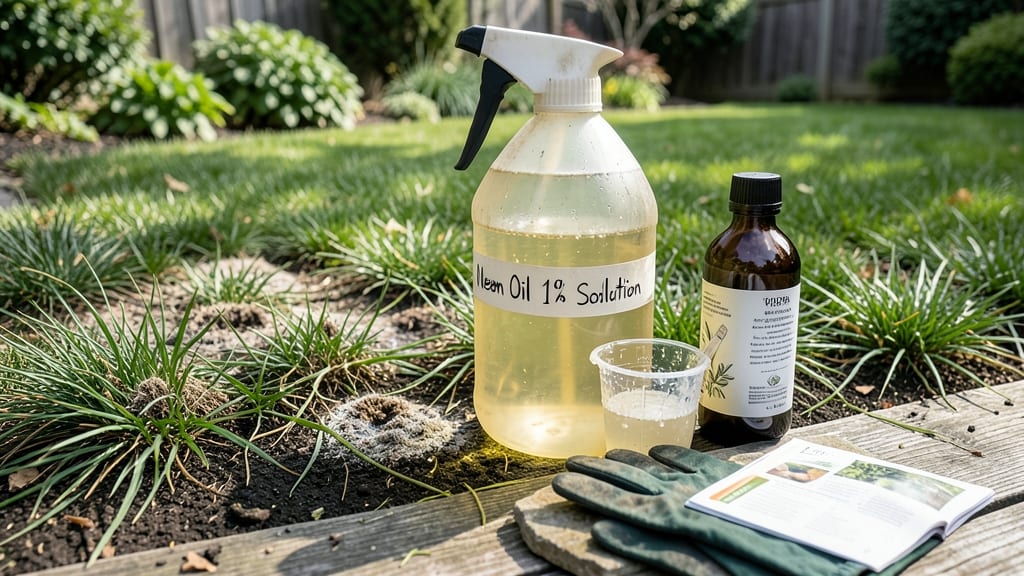
Your lawn fungus problem could disappear in just 48 hours—using the neem oil for lawn fungus as the secret weapon. I’ve used it to stop brown patches and slimy dollar spots before they spread, and the results are nothing short of miraculous.
The key is timing, concentration, and a few extra steps most people miss.
Neem oil works by disrupting fungal growth at the cellular level, but you’ve got to apply it when conditions are right—warm, dry days after watering. A 1% neem oil solution (1 tablespoon per gallon of water) sprayed directly on affected areas stops the spread faster than store-bought fungicides.
The earthy smell fades quickly, leaving no residue behind.
By morning of day two, you’ll see the fungus receding, and within a week, your grass will bounce back with a vibrant green that makes neighbors ask for your secret.
The best part? It’s safe for kids and pets once fully dried, and it won’t harm beneficial insects like bees or ladybugs.
For stubborn cases, repeat every 5-7 days until the lawn fully recovers. Prevent future outbreaks by improving drainage, mowing high, and watering early in the day. This method has saved my lawns from fungus season after season—no more patchy, ugly spots ruining your outdoor space.
The Hidden Triggers Behind Lawn Fungus
Fungal infections in lawns aren’t random—they’re the result of specific conditions coming together like a perfect storm. Understanding these causes is the first step to preventing and treating them effectively with neem oil or other organic solutions.
Below, we break down the science behind why your lawn becomes a fungal buffet.
Fungi thrive in wet, humid environments—think of them as aquatic creatures that just happen to grow on grass. Here’s why excess moisture is their best friend:
- Oxygen Deprivation: When soil stays soggy for days, it creates anaerobic conditions (low oxygen), which weakens grass roots and makes them vulnerable to fungal attacks like dollar spot or brown patch. - Spore Germination: Fungal spores lie dormant until moisture triggers them.
A single heavy rain or overwatering can wake up thousands of spores, turning your lawn into a fungal hotspot. - Thatch Buildup: Thatch (that layer of dead grass and roots) traps moisture like a sponge.
If it’s thicker than ½ inch, fungi feast on the decaying organic matter beneath.
Actionable Fix: Water deeply but infrequently (early morning is best) and ensure proper drainage. Aerate compacted soil to help water evaporate faster.
Fungi love warmth (60–85°F) combined with high humidity—the same conditions that make summer evenings feel muggy. Here’s how it works:
- Slow Evaporation: Warm air holds more moisture, so water lingers on grass blades longer, creating a film of water that fungi can crawl across.
- Nighttime Dew: When temperatures drop at night but stay above 60°F, dew forms and stays put, giving fungi a 24-hour buffet.
- Poor Airflow: Dense grass or shaded areas trap heat and moisture, turning your lawn into a fungal sauna.
Actionable Fix: Mow high (3–4 inches) to improve airflow, and avoid watering in the evening. Use a fan or sprinkler on hot, humid nights to dry grass quickly.
Too much nitrogen (especially quick-release fertilizers) doesn’t just boost grass—it fuels fungal growth by:
- Weakening Roots: Excess nitrogen promotes top growth while starving roots of energy, making grass more susceptible to stress and disease.
- Increasing Thatch: Rapid growth leads to thick thatch, which holds moisture and blocks sunlight—both fungal magnets.
- pH Imbalance: Over-fertilizing can lower soil pH, creating acidic conditions that some fungi (like red thread) adore.
Actionable Fix: Use slow-release, organic fertilizers (like compost or fish emulsion) and test soil pH annually. Aim for a balanced NPK ratio (e.g., 10-10-10).
Healthy soil = healthy grass. But when soil is compacted or nutrient-poor, fungi move in like squatters. Here’s how:
- Root Strangulation: Compacted soil cuts off oxygen to roots, weakening grass and making it fungus-prone (e.g., gray leaf spot).
- Nutrient Deficiencies: Lack of potassium (K) or phosphorus (P) stresses grass, while excess salt (from synthetic fertilizers) burns roots, leaving them open to infection.
- Poor Drainage: Clay-heavy or poorly amended soil holds water like a sponge, creating fungal breeding grounds.
Actionable Fix: Aerate annually, top-dress with compost, and test soil for deficiencies. Avoid synthetic salts—opt for potassium-rich organic amendments like wood ash (sparingly).
Even if moisture and fertility are perfect, stress from other sources can invite fungi. Common culprits:
- Pests: Grubs, chinch bugs, or sod webworms chew roots, creating entry points for fungi like take-all root rot.
- Herbicide Burn: Overuse of pre-emergent herbicides or misapplied post-emergents weaken grass, making it fungus-susceptible.
- Shade or Traffic: Areas under trees or high foot traffic get less sunlight and more compaction, slowing recovery and inviting disease.
Actionable Fix: Treat pest infestations early, rotate herbicides, and reduce foot traffic in high-risk areas. Consider shade-tolerant grass varieties if your lawn is partially shaded.
Leaves, clippings, and thatch aren’t just yard waste—they’re fungal food. Here’s why:
- Decaying Matter: Fungi break down dead plant material, but if it piles up, they overpopulate and spread to living grass.
- Blocked Sunlight: Thick thatch or mulch layers smother grass, creating dark, damp conditions where fungi like snow mold thrive.
- Disease Carriers: Infected clippings or leaves can re-infect your lawn if left uncollected.
Actionable Fix: Rake up debris regularly, especially in fall/winter. Mow frequently to prevent thatch buildup, and bag clippings if fungal disease is active.
Many of these factors reinforce each other. For example:
- Overwatering → Compacted soil → Poor drainage → More moisture retention → Fungal explosion.
Breaking the cycle starts with one change—like improving drainage or adjusting watering habits—then addressing the next weak link.
Now that you know the why, the next step is how to fight back—and neem oil is a game-changer for organic control. Stay tuned!
Quick Fixes for Lawn Fungus
Fungal infections can turn your lush lawn into a patchy, unsightly mess—but neem oil offers a fast, organic way to turn things around.
Below, we break down targeted solutions based on the most common causes of lawn fungus, from overwatering to poor drainage, plus prevention tips to keep your grass thriving. These methods are easy to implement, budget-friendly, and effective within 48 hours when combined with neem oil.
Cause: Too much moisture (especially in shaded or low-traffic areas) creates the perfect breeding ground for fungi like brown patch or dollar spot.
How to Treat It:
- 🔥 Stop Watering Immediately
- Reduce watering to early morning only (before 10 AM) and avoid evening sessions. Let the top 2–3 inches of soil dry out between waterings.
- Pro Tip: Use a moisture meter to check soil dampness—if it’s soggy, hold off on watering.
- 🌬️ Improve Airflow
- Thin out dense grass with a lawn rake or mower to allow sunlight and air to circulate.
- Trim overhanging branches or bushes casting shade on the lawn.
- 🍳 Apply Neem Oil Fungicide - Mix 2 tbsp neem oil + 1 tsp mild liquid soap + 1 gallon water in a spray bottle. - Spray directly on affected spots (avoid oversaturating).
Reapply every 3–4 days until symptoms fade. - Why It Works: Neem oil disrupts fungal spores while being safe for pets and kids once dry.
- ⏰ Speed Up Recovery with Baking Soda (Optional)
- For stubborn spots, sprinkle 1 tbsp baking soda per gallon of water, spray lightly, and let dry in sunlight (UV rays help kill fungi).
Cause: Compacted soil or clay-heavy ground traps water, promoting fungal growth like gray leaf spot or rust.
How to Fix It:
- 🔪 Aerate the Lawn
- Rent a core aerator (or use a garden fork) to punch holes 3–4 inches deep, 3–4 inches apart. This lets water drain and roots breathe.
- Best Time: Early fall or spring when grass is actively growing.
- 🌡️ Amend Soil with Organic Matter
- Spread 1–2 inches of compost or sand over the lawn, then lightly rake in. This improves drainage and adds nutrients.
- For clay soil, mix in perlite or coarse sand (50/50 ratio) to break up compaction.
- 🎯 Treat Fungus with Neem Oil + Horticultural Oil
- Combine 1 tbsp neem oil + 1 tbsp horticultural oil + 1 gallon water for a double-action fungicide.
- Spray evenly over the entire lawn (not just spots) at dusk to avoid sunburning grass.
- 💡 Prevention Tip:
- Install French drains or swales (shallow trenches) in low-lying areas to redirect water.
Cause: Thatch (a layer of dead grass and roots) traps moisture and blocks airflow, inviting snow mold or pink patch.
How to Solve It:
- 👨🍳 Dethatch Properly
- Use a vertical mower or thatched rake to remove ½ inch or less of thatch. Avoid scalping the lawn!
- Timing: Late summer or early fall when grass is recovering.
- 🥘 Apply Neem Oil + Cornmeal Fungicide
- Mix 1 tbsp neem oil + 1 cup cornmeal (for extra fungal prevention) + 1 gallon water.
- Spray thoroughly and water lightly afterward to help ingredients bind to the grass.
- ✨ Boost Grass Health
- Overseed with disease-resistant grass seed (e.g., tall fescue or Kentucky bluegrass).
- Fertilize with low-nitrogen, high-potassium fertilizer (e.g., 0-0-30) to strengthen roots.
To keep fungus at bay without chemicals, adopt these habits: - 🌡️ Mow High: Set your mower to 3–4 inches to shade soil and reduce stress on grass. - 💡 Rotate Watering Zones: Avoid always watering the same spots—move sprinklers weekly. - 🍄 Test Soil pH: Aim for 6.0–7.0 (fungi thrive in acidic soil).
Use lime to raise pH if needed. - 🌱 Choose Resistant Grass: Opt for fungus-resistant varieties like ‘ShadeMaster’ fescue or ‘Midnight’ bluegrass.
Final Note: Neem oil works fastest when combined with proactive care. For severe infections, repeat treatments every 5–7 days until the lawn regains its vibrant green. 🌿✨
Frequently asked questions
How soon will I see results after applying neem oil to my lawn fungus?
You should notice visible improvement within 48 hours of application, with fungus growth slowing significantly. For complete recovery, expect 1-2 weeks of consistent treatments every 3-5 days. The key is applying it when the lawn is dry and temperatures are between 60-85°F for best absorption.
Can I use neem oil on my lawn if I have pets or kids?
Yes, neem oil is pet-safe once fully dried (after 4-6 hours). However, avoid spraying when children or pets will be on the lawn immediately afterward. Always test a small area first, and keep pets off treated areas until completely dry to prevent accidental ingestion.
What's the best time of day to apply neem oil for lawn fungus?
Apply neem oil in the early morning (before 10 AM) or late afternoon (after 4 PM) to avoid sunburning the grass. Early morning applications also allow the solution to dry before evening dew forms, which helps prevent fungal spores from reactivating.
Will neem oil work on all types of lawn fungus?
Neem oil is effective against common fungal issues like dollar spot, brown patch, and gray leaf spot. However, for severe cases like take-all root rot, you may need to combine it with soil amendments (like compost) and proper drainage solutions. Always identify the specific fungus first for targeted treatment.
How often should I reapply neem oil for long-term prevention?
For prevention, apply neem oil every 4-6 weeks during high-risk seasons (spring and fall). If your lawn is prone to fungus, a monthly maintenance spray (especially after heavy rains) helps keep fungal spores in check without over-treating.