
Neem Oil
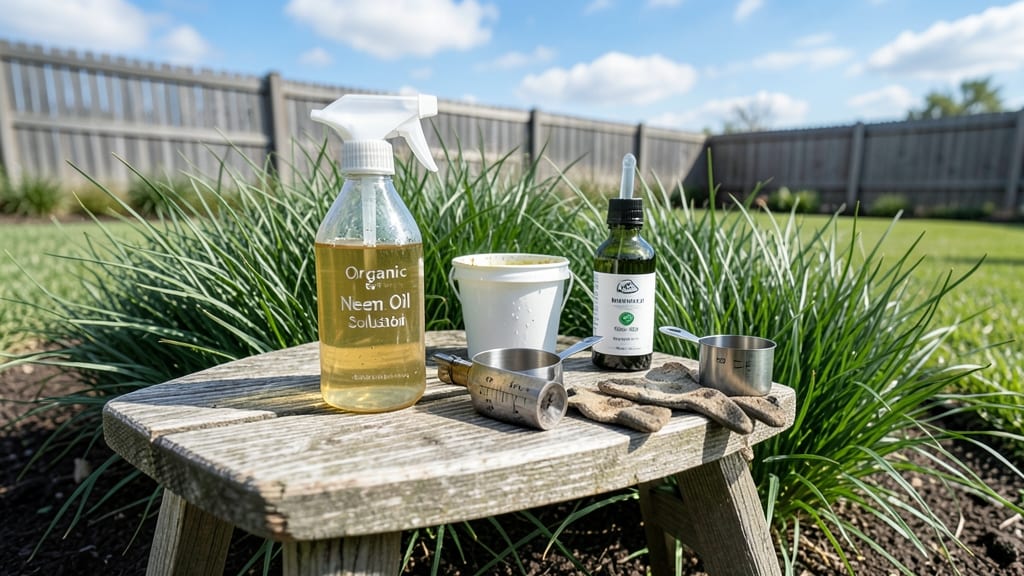
Using neem oil for lawn care provides natural protection against pests and fungal diseases, working best when applied during cooler morning or evening hours when temperatures are mild. Always dilute it with water and apply with a sprayer for even coverage across grass and soil.
Neem oil's secret weapon is azadirachtin, a compound that disrupts insect feeding and reproduction while also combating fungal growth like brown patch. 🌱 The key is timing—spring and fall applications prevent summer outbreaks, and the oil's natural breakdown means it won't linger in the environment.
For best results, I mix 1 tablespoon of neem oil with 1 quart of water and add a few drops of dish soap to help it stick to grass blades. Always test a small patch first, as some grass types may react differently.
What sets neem oil apart is its dual action: it repels pests like grubs and chinch bugs while simultaneously treating fungal infections. This makes it ideal for organic lawn care programs, especially when combined with proper mowing height and watering practices.
The oil's strong odor also deters many unwanted visitors, though it's safe for pets and children once fully absorbed by the lawn.
💡 In This Article
- How Neem Oil Fights Lawn Pests and Fungal Diseases
- Step-by-Step Guide to Applying Neem Oil on Grass
How neem oil fights lawn pests and fungal diseases
The real magic behind neem oil's effectiveness lies in its powerful compound called azadirachtin, which acts like a natural insect growth regulator. This compound disrupts the hormonal balance of insects by mimicking juvenile hormones, preventing them from maturing properly.
For example, when applied to grubs or chinch bugs, azadirachtin interferes with their molting process, ultimately killing them within 48-72 hours. 🌿 Unlike chemical pesticides that rely on toxicity, neem oil works by throwing off the insects' natural development cycles, making it safer for beneficial organisms like bees and earthworms.
Neem oil also contains salannin and nimbin, which work together to combat fungal diseases like brown patch and dollar spot. These compounds create a hostile environment for fungal spores by disrupting their cell membranes and preventing spore germination.
The oil's natural fungicidal properties are particularly effective when applied preventatively in early spring before fungal activity peaks. Studies show that neem oil can reduce fungal growth by up to 80% when applied at the right concentration and timing, making it a game-changer for organic lawn care.
What makes neem oil unique is its selective action—it targets pests and fungi without harming the beneficial microorganisms in your soil. The oil's strong odor (similar to garlic or turpentine) acts as a natural repellent, deterring many insects from even landing on your grass.
However, this odor dissipates within 24-48 hours after application, leaving no harmful residues. The key is using a 1% dilution ratio (1 tablespoon per quart of water) to ensure effectiveness while maintaining safety for your lawn's ecosystem.
For fungal diseases like brown patch, neem oil works by creating an unfavorable environment for the pathogen's growth. The oil's active compounds interfere with the fungus's ability to establish itself in the grass blades, effectively starving the infection.
When applied during mild temperatures (50-85°F), the oil's antifungal properties are most effective, as extreme heat or cold can reduce its potency. This is why early morning or evening applications are ideal—the cooler temperatures help the oil adhere better to grass blades and work more efficiently.
One common misconception is that neem oil kills all insects indiscriminately. In reality, it's most effective against soft-bodied insects like aphids, mites, and young grubs. For hard-shelled insects like beetles, you'll need to apply the oil directly to their bodies for maximum impact.
The oil's mode of action means it won't harm bees or other pollinators, making it a safe choice for lawns near gardens or flower beds where these beneficial insects are active. 🐝
To maximize neem oil's effectiveness, combine it with proper lawn care practices. Maintaining a mowing height of 3-4 inches helps prevent fungal diseases by improving air circulation, while regular watering (deep but infrequent) reduces stress on the grass.
The oil's antifungal properties work best when applied as a preventative measure rather than a cure, so spring and fall applications are particularly valuable for keeping your lawn healthy year-round.
For those concerned about environmental impact, neem oil breaks down naturally in the soil, typically within 7-14 days, leaving no harmful residues. This makes it an excellent choice for organic lawn care programs, especially when compared to synthetic fungicides that can linger in the environment.
The oil's ability to target specific pests and fungi while preserving beneficial organisms is what sets it apart in natural lawn care solutions. 🌱