
Pruning
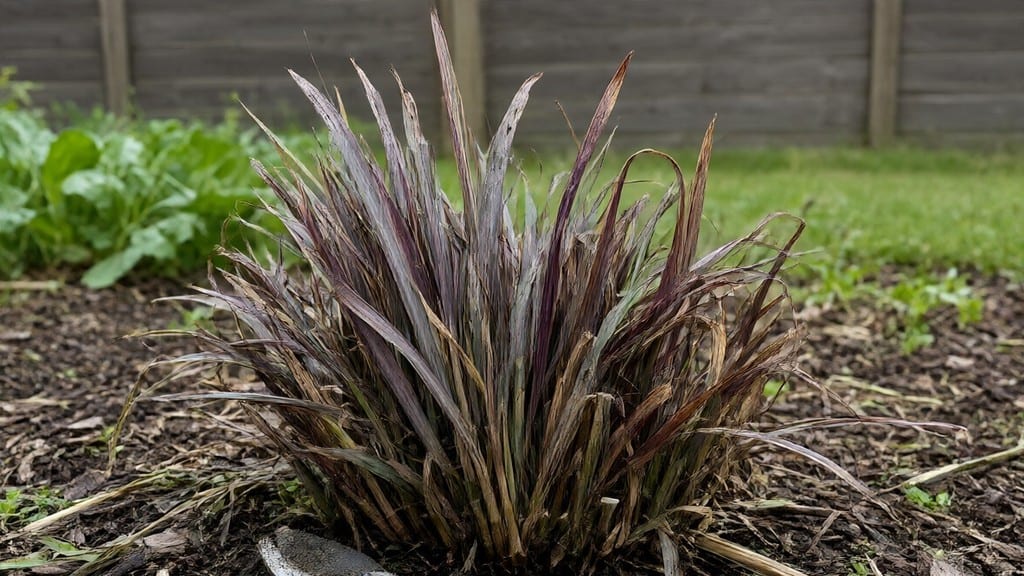
Trimming purple fountain grass transforms it from a floppy mess into a showstopping year-round feature. ✨ I’ve spent years watching this grass go from scraggly to stunning with just a few sharp cuts at the right time—and I’ll show you exactly how to do it without killing your plant.
The secret lies in timing and technique: cut it back in late winter or early spring before new growth starts, and always use clean, sharp shears. You’ll remove the dead foliage while leaving the warm, purple stems that give it that signature look.
Most people over-cut or wait too long, which weakens the plant—don’t make that mistake.
After trimming, your fountain grass will bounce back with fuller, bushier growth by summer, and those cascading plumes will stay vibrant all season. The key is patience—it might look bare for a few weeks, but trust the process. By fall, it’ll be the envy of the neighborhood.
This method works for any variety of fountain grass, whether you’re dealing with a 3-foot clump or a 6-foot giant. Let’s get those shears ready and make your grass look like it belongs in a high-end garden center—not just your backyard.
📚 In This Guide
- What you need
- Instructions
- Tips and common mistakes
- Wrapping up and next steps
What you need
- ○ Pruning shears or hedge clippers: Sharp, bypass-style shears (4–6" blades) for clean cuts. Optional: Heavy-duty loppers for thicker stems.
- ● Hand pruners: For finer trimming (smaller than ½" thick). Look for ergonomic handles to reduce hand fatigue.
- ● Garden gloves: Heavy-duty, cut-resistant gloves (size medium/large) to protect your hands from sharp blades and thorns.
- ○ Pruning saw (optional): If your grass has thick, woody stems (rare for fountain grass but useful for mature clumps).
- ● Disinfectant (70% rubbing alcohol or bleach solution): 1 part bleach to 9 parts water to clean tools between cuts and prevent disease.
- ● Garden twine or burlap: A small roll (5–10 feet) to tie up trimmed stems for disposal or composting.
- ● Weather check: Trim on a dry, mild day (avoid extreme heat or frost). Early morning or late afternoon is ideal.
- ● Safety glasses: Protect your eyes from debris, especially if using a pruning saw.
- ○ Knee pads (optional): For comfort if you’re kneeling or working in larger garden beds.
- ● Trash bag or compost bin: A 13-gallon bag for clippings (or a designated compost pile if you’re eco-conscious!).
How to trim purple fountain grass for a full, fluffy look
Here’s my go-to method for keeping your ornamental grass looking lush all season—no guesswork involved.
🌿 Step 1: Time Your First Cut for Late Winter
Wait until late February or early March when new growth begins but before the grass starts shooting up aggressively. You’ll spot fresh, bright green shoots at the base—this is your cue. Trimming too early leaves bare stems, while waiting too long risks cutting into next year’s growth.
Use clean, sharp pruning shears or a horticultural saw for thick clumps. Cut back one-third of the height—about 6-8 inches from the ground—while leaving some lower stems intact. These older stems provide structure and protect the crown from cold snaps. If your grass looks ragged, trim uneven sections first to restore balance.
✂️ Step 2: Make Clean Cuts in Stages Throughout Spring
After the first trim, wait 4-6 weeks until the grass grows 6-8 inches tall again. This time, cut back another 3-4 inches, but never remove more than one-third of the height in a single session. You’ll notice the grass thickens at the base as it responds to the staggered cuts—this is how you build that signature "fountain" shape.
For thick clumps, work in sections to avoid overcrowding. If a section feels too dense, thin out a few stems at the base to improve airflow. Always cut at a 45-degree angle just above a leaf node to encourage bushier regrowth. Avoid cutting into the hard, woody center—this signals the plant to go dormant.
☀️ Step 3: Summer Maintenance for Year-Round Color
During June through August, trim only when the grass grows too tall or flops over—usually every 6-8 weeks. Purple fountain grass thrives on a more relaxed schedule in summer. Cut back just enough to restore shape, leaving the lower stems for texture. You’ll see the purple hues deepen as the plant matures, especially in full sun.
If your grass loses its vibrant color, it’s likely thirsty. Water deeply once a week (unless rainfall provides 1 inch) and trim lightly to encourage new, colorful growth. Deadhead any browned or seed-bearing stems by cutting them off at the base—this redirects energy to the foliage. Avoid heavy trims in late summer, as the plant needs time to harden off for winter.
⏰ Step 4: Final Trim and Winter Prep in Fall
In October or November, give your grass one last light trim to remove dead or damaged foliage, but leave 3-4 inches of stem for insulation. This protects the crown during frost. You’ll notice the grass turns a straw-like brown—this is normal and adds winter interest. Bundle smaller clumps with twine if strong winds are expected.
Skip fertilizing after mid-summer—new growth won’t harden off properly. Instead, mulch around the base with 2-3 inches of shredded bark to retain moisture and regulate soil temperature. Come spring, the old stems will naturally decompose, leaving fresh growth to emerge from the protected center.
Tips & tricks for perfect purple fountain grass trimming
Here's how to take your ornamental grass from good to show-stopping—these are the little details that make all the difference in achieving that lush, fountain-like appearance.
The Timing Secret: That late February to early March window for your first trim is more important than you might think. I've seen people rush it in January and end up with bare stems that take months to recover. Look for those fresh green shoots at the base—this means new growth has started, but you haven't cut into next year's potential. If you're in a warmer climate, you might need to push this to early March to avoid cutting too early.
Cutting Technique That Changed Everything: When you make those 45-degree angle cuts in Step 2, you're not just being precise—you're actually encouraging the grass to branch out. I learned this the hard way after years of straight cuts that left my grass looking sparse. The angled cut exposes more leaf nodes, which is where new shoots emerge. For thick clumps, work in sections to avoid overcrowding the center—this prevents the middle from becoming too dense and stunting growth.
Summer Maintenance Strategy: The "trim only when it flops" rule in summer is about more than just looks—it's about stress management. Purple fountain grass is tough, but even it can get overwhelmed if you cut back too much during hot months. I've found that light trims every 6-8 weeks keep the purple hues vibrant while letting the plant focus on root development. And that weekly watering? It's not just about hydration—it's about giving your grass the energy it needs to bounce back from any minor stress.
Winter Prep Wisdom: Leaving those 3-4 inches of stem for insulation isn't just about frost protection—it's about creating a microclimate that protects the crown. I've seen people cut too short in fall, and by spring, they're dealing with dead centers. That straw-like brown you notice in winter? It's actually working for you by insulating the base. Bundle smaller clumps with twine if you're in a windy area—this prevents the stems from whipping around and breaking during winter storms.
Pro Tips for Trimming Purple Fountain Grass
- Here's how to take your ornamental grass from good to show-stopping—these are the little details that make all the difference in achieving that lush, fountain-like appearance.
- The Timing Secret: That late February to early March window for your first trim is more important than you might think.
- Cutting Technique That Changed Everything: When you make those 45-degree angle cuts in Step 2, you're not just being precise—you're actually encouraging the grass to branch out.
Frequently asked questions
When is the best time to trim Purple Fountain Grass?
Trim your Purple Fountain Grass in late winter or early spring (just before new growth starts) to encourage fresh, bushy foliage. A light touch-up in summer or fall is fine, but avoid heavy pruning—it can stress the plant. Pro tip: Never trim more than ⅓ of the plant at once!
How do I trim it without damaging the plant?
Use sharp, clean pruners or shears to make clean cuts at a 45-degree angle just above a leaf node. Avoid tearing the blades—this can invite pests or disease. For overgrown clumps, trim back to 6–12 inches tall to stimulate new growth. Warning: Wear gloves—those blades are tough!
Can I trim Purple Fountain Grass in winter?
Yes, but only if it’s dormant (no green growth). Trim dead or brown fronds in late winter to tidy up, but avoid heavy cuts—new growth may be slow to emerge. If your grass stays green year-round, wait until spring. Pro tip: Mulch lightly after trimming to protect roots from cold snaps.
What if my Purple Fountain Grass looks leggy after trimming?
Leggy growth happens when the plant stretches for sunlight. To fix it, trim back to ⅓ of the plant’s height and fertilize lightly with a balanced, slow-release fertilizer. Place it in sunnier spot (6+ hours of light daily) and water deeply but infrequently. Bonus: Divide overcrowded clumps every 3–4 years to revive density!
Are there alternatives to trimming Purple Fountain Grass?
If you dislike trimming, consider letting it grow naturally—it thrives with minimal upkeep! For a neater look, try container gardening (trim occasionally) or pair it with low-maintenance companions like sedum or lavender. Warning: Avoid shearing like a hedge—it can weaken the plant over time.
Wrapping up and next steps
Trimming purple fountain grass is all about timing, technique, and a little patience—rewarding you with lush, vibrant growth all year long! 🌿 By following the right steps—like cutting back in early spring, using sharp tools, and avoiding over-trimming—you’ll keep your grass healthy and full.
Remember, consistency is key, and soon your garden will be the envy of the neighborhood.
Ready to give it a try? Grab your shears, pick a sunny day, and get started! Your purple fountain grass will thank you with a stunning, bushy display that lasts season after season.