
Pruning
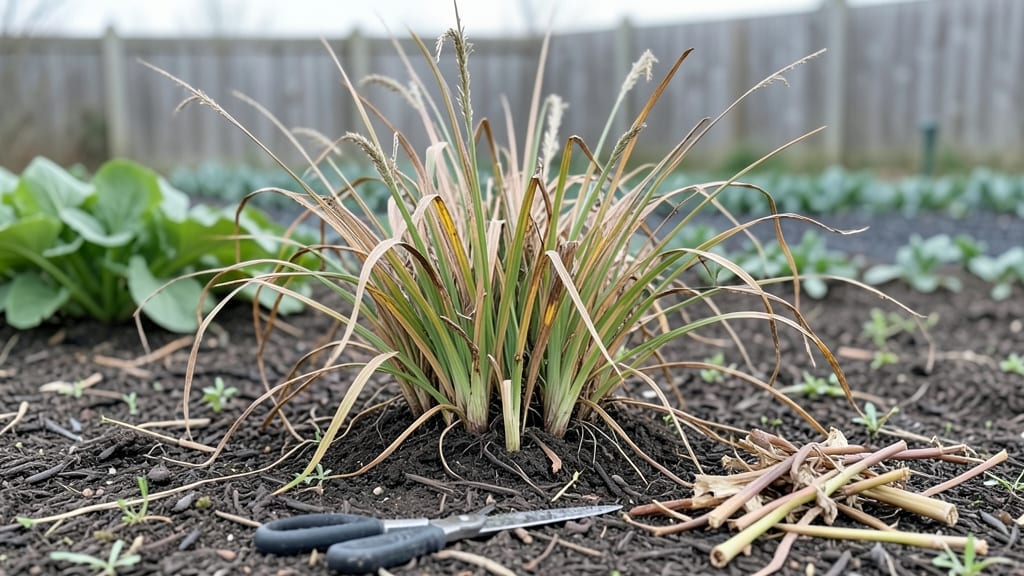
Cutting back decorative grasses isn’t just pruning—it’s the secret to making them look shockingly lush all year. 🌿 I’ve learned the hard way that timing and technique matter more than most guides admit, especially when you want those plumes to bounce back stronger than ever.
The right cut transforms last season’s growth into next year’s showstopper, but get it wrong and you’ll end up with bare stems or stunted regrowth.
You’ll need sharp pruners or a clean knife, gloves (those blades are tough!), and a clear day to avoid damp grass clinging to your tools. The best time? Late winter or early spring, just as new growth starts—but never cut into winter-dormant clumps unless you’re in a mild climate.
Most grasses need a 2-3 inch haircut above the ground, though some ornamental varieties (like fountain grass) can take a harder trim. Fair warning: if you leave too much stubble, you’ll smother next year’s shoots.
What you’re left with is a garden that feels alive in every season—spring’s fresh shoots, summer’s feathery plumes, and even winter’s architectural bones if you leave some stalks standing.
The key is patience: grasses grow back faster than you think, and a well-timed cut means you’ll be snipping again in just a few months. Trust the process, and your grasses will thank you with neighbor-jealousy levels of growth.
Pro tip: if your grasses flopped over last year, give them a little support with twine or stakes before cutting—it’ll keep them upright while they recover. And for those winter-interest varieties?
Cut back after they’ve served their purpose, usually by mid-spring. Now grab those shears and let’s bring those grasses back to life!
📚 In This Guide
- What you need
- Instructions
- Tips and common mistakes
- Wrapping up and next steps
What you need
- ● Sharp pruning shears or hedge clippers – Look for bypass-style blades (8–12" length) for clean cuts.
- ● Heavy-duty gloves – Thick, cut-resistant (e.g., leather or synthetic mesh) to protect hands from sharp edges.
- ○ Pruning saw (optional but helpful) – For thick, woody stems (e.g., Miscanthus or Pennisetum clumps).
- ● Garden kneeler/pad – For comfort when working close to the ground.
- ● Garden twine or burlap – To tie up clumps if you’re dividing them post-prune.
- ● Rake or leaf blower – For clearing debris afterward.
- ● Timing check – Prune in late winter/early spring (before new growth) or late summer (after flowering).
- ● Weather window – A dry, mild day (avoid frost or extreme heat).
- ● Safety gear – Sunglasses (for windy debris) and sunscreen if working outdoors.
- ○ Optional: Disinfectant (70% isopropyl alcohol) – Wipe blades between cuts to prevent disease spread.
How to cut back decorative grasses for healthy year-round growth
Here's the straightforward method I use to revive grasses and keep them lush—no guesswork involved.
🪴 Step 1: Gather Tools and Assess the Clump
Start by grabbing your sharp pruning shears and gloves—dull blades tear grass blades instead of cutting cleanly. Kneel beside the clump and scan for dead or brown sections at the base. These are your first targets, as they won’t regrow. I always work on a dry day; damp grass sticks to tools and makes cuts messy.
Run your fingers through the center of the grass. If you feel a spongy, hollow core, that’s a sign of dead material that needs removal. Healthy grass should have firm stems with green at the base. This is where you’ll focus your cuts—never trim healthy growth unless it’s overgrown in late winter.
✂️ Step 2: Remove Dead Growth and Thin Out Crowded Stems
Use your shears to slice through dead stems at the base, about ½ inch above the soil line. This prevents unsightly stubble while allowing new shoots to emerge. For clumps that look too dense, I pull out 10-20% of the oldest stems—this improves airflow and reduces disease risk. You’ll know you’ve thinned enough when sunlight reaches the center of the clump.
If the grass has seed heads or fluffy plumes, leave those until late winter or early spring. These add winter interest and protect the crown. Only cut them back when you’re ready for new spring growth to appear. Avoid cutting more than ⅓ of the clump at once, or you’ll stress the plant unnecessarily.
💧 Step 3: Cut Back Overgrown Foliage for Shape and Revival
For grasses that have grown too tall or leggy, use your shears to trim the entire clump back by ⅓ to ½ of its height. This encourages bushier, denser regrowth. I like to make vertical cuts rather than horizontal ones—this mimics natural wind pruning and gives the grass a more refined look. Step back occasionally to check your progress; you’re aiming for a balanced, full silhouette.
If the grass has long, straggly blades that droop, cut them back to 4-6 inches tall in late winter. This prevents them from flopping over in spring. For varieties like Miscanthus or Pennisetum, I leave some height in winter for texture, but I trim them back by ⅔ in early spring to stimulate fresh growth. Always cut at a 45-degree angle to reduce water pooling on the stems.
☀️ Step 4: Clean Up and Fertilize for Spring Revival
After trimming, rake up all the clippings and dispose of them in your yard waste. Leaving dead material can harbor pests or fungi. I use this moment to check the soil—if it looks compacted or dry, I loosen the top 1-2 inches with a hand fork and add a light layer of compost to feed the roots. This is especially important for grasses in containers, which dry out faster.
Apply a balanced, slow-release fertilizer (like 10-10-10) in early spring to give grasses a nutrient boost. Water deeply after fertilizing to help it absorb into the soil. You’ll see new shoots emerge within 2-4 weeks, signaling that your pruning worked. If your grass is slow to revive, it might need more sunlight—most ornamental grasses thrive in full sun to partial shade.
Tips & tricks for perfectly pruned decorative grasses
A few simple tricks will help you revive your grasses without stressing the plants or yourself.
Timing Secret: Late winter is the ideal time to trim most ornamental grasses, but don't rush into it too early. I wait until just before new growth appears—usually when daytime temperatures consistently reach 50°F. This timing ensures you're not cutting back the previous year's growth too soon, which could leave your garden looking bare. For varieties like Miscanthus, I wait until early spring to trim back by ⅔ of their height, as they provide beautiful winter texture.
Tool Technique: Sharp pruning shears are non-negotiable—dull blades crush stems instead of making clean cuts. I invest in a good pair of bypass pruners (like Felco or Fiskars) and keep them well-oiled. For larger clumps, I use long-handled hedge shears to avoid straining my back. Always clean your tools with rubbing alcohol between cuts to prevent spreading disease from dead material to healthy stems.
Pruning Strategy: When thinning crowded stems in Step 2, focus on removing the oldest growth first. These are the stems that feel hollow when you run your fingers through the center. I like to pull out about 10-20% of the oldest stems to improve airflow—this prevents fungal issues and encourages new growth from the center. For clumps that look too dense, I make vertical cuts rather than horizontal ones to maintain the plant's natural shape while improving light penetration.
Seasonal Consideration: Never cut back grasses that provide winter interest until you're ready for spring growth. Seed heads and fluffy plumes protect the crown and add texture to winter landscapes. I leave these until late winter or early spring, when I'm ready to stimulate new growth. For grasses in containers, I'm extra careful to check soil moisture—containerized plants dry out faster and may need more frequent watering after pruning.
Pro Tips for Cut Back Decorative Grasses
- A few simple tricks will help you revive your grasses without stressing the plants or yourself.
- Timing Secret: Late winter is the ideal time to trim most ornamental grasses, but don't rush into it too early.
- Tool Technique: Sharp pruning shears are non-negotiable—dull blades crush stems instead of making clean cuts.
Frequently asked questions
Got questions about trimming your ornamental grasses? We’ve got answers! Whether you’re a first-timer or a seasoned gardener, these FAQs will help you master the art of reviving your yard with precision and care.
When is the best time to cut back decorative grasses?
For most ornamental grasses, late winter or early spring—just before new growth emerges—is ideal. Pennisetum (fountain grasses) and Miscanthus can be trimmed in early spring, while Carex (sedges) often benefit from a light tidy-up in late winter. Avoid cutting in fall, as the dead foliage provides winter protection for roots.
How short should I cut them back?
Trim to 2–3 inches above the ground for most grasses, but avoid cutting into the crown (the base where leaves meet the soil). For clumping grasses like Carex, leave a small tuft of old growth for reference. Over-trimming can damage the plant—think of it as giving your grasses a fresh haircut, not a buzz cut!
What if my grasses look sad after cutting? Is it too late?
Don’t panic! If your grasses look wilted post-prune, it’s normal—they’ll bounce back as new growth starts. If they’re still lifeless in spring, check for rot or pests (like grubs or fungal issues). Water deeply after trimming to help recovery. With time and care, they’ll rebound like champions!
Can I cut back ornamental grasses in fall?
Generally, no—unless your grasses are severely diseased or dead. Fall foliage provides insulation for roots over winter. If you must trim, leave 50–75% of the stems standing. For tropical grasses (like Phalaris), a light cleanup in late fall is fine, but most prefer a spring refresh.
What if my grasses keep flopping over? How can I fix it?
Floppy grasses often need staking or support (bamboo stakes or small garden twine work well). For clump-forming types, thin out crowded centers in spring. If the issue persists, check for over-fertilizing (too much nitrogen = weak stems) or poor drainage. A little pruning and props can turn flops into upright stars!
Wrapping up and next steps
Cutting back decorative grasses might seem intimidating, but with the right tools and timing, it’s a simple way to revive your garden’s beauty and encourage lush, year-round growth. Whether you’re trimming ornamental grasses for winter dormancy or shaping them for spring, the key is confidence—your plants will thank you! 🌿
Ready to take the next step? Grab your pruners, follow the season’s cues, and give your grasses the fresh start they deserve. Your garden’s revival is just a snip away!