
Pruning
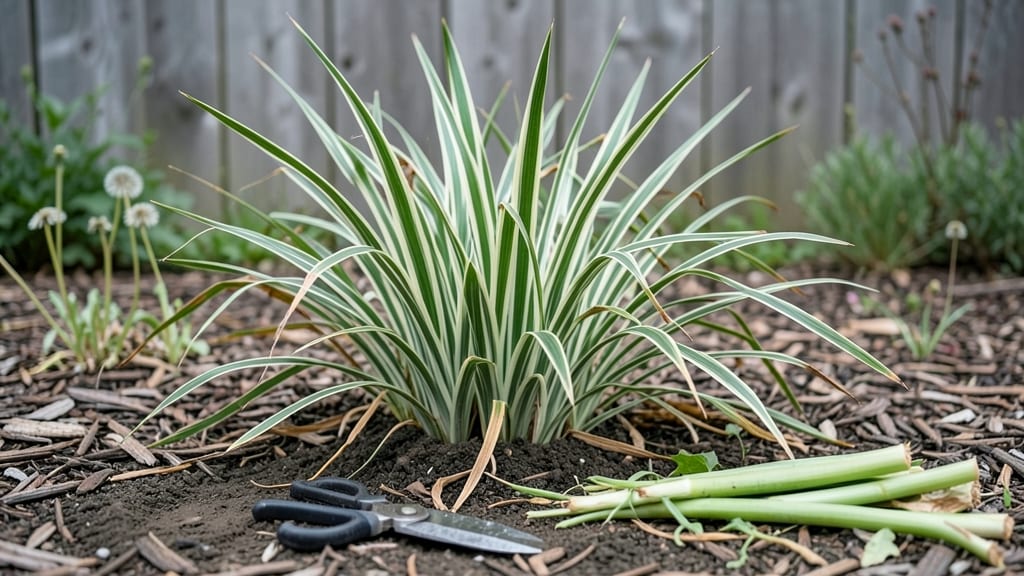
Trimming zebra grass reveals its striped beauty at its absolute best. ✨ The secret lies in cutting at the right time—late winter or early spring—when new growth starts but before it gets too leggy.
I’ve learned that patience pays off; rushing the trim ruins the plant’s natural shape and those coveted golden stripes.
You’ll need sharp pruning shears or hedge clippers—dull tools tear leaves—and a clear day to avoid damp grass that sticks to blades. For ornamental beds, trim to about 18–24 inches tall to maintain an airy, elegant look.
If using it as a privacy screen, let it grow taller but shape the top into a gentle curve for a softer edge.
The payoff? A plant that stays lush, upright, and strikingly striped all season. You’ll notice fewer browned leaves, more vibrant new shoots, and a shape that feels intentional—not hacked. The key is to never cut more than one-third of the plant’s height at once, or you’ll shock the roots.
Works for both formal gardens and wild, naturalistic plantings. Whether you’re trimming a single clump or a whole border, these techniques keep zebra grass looking perfect with minimal effort. Ready to sharpen those shears?
📚 In This Guide
- What you need
- Instructions
- Tips and common mistakes
- Wrapping up and next steps
What you need
- ● Sharp pruning shears – Bypass-style (6-8" blade) for clean cuts. 2 pairs recommended (one for thick clumps, one for precision).
- ● Hand pruners – Anvil-style (for stubborn stems). 1 pair (4-6" blade).
- ● Heavy-duty gloves – Garden-grade (cut-resistant, size medium/large). 1 pair.
- ○ Pruning saw – For thick bases (7-10" blade). 1 optional.
- ● Disinfectant spray – 70% isopropyl alcohol (8 oz bottle). 1 (sterilizes tools).
- ● Trimming tray or bucket – 18"x12" or larger (to collect clippings). 1.
- ● Knee pad – For comfort (adjustable strap). 1.
- ○ Magnifying glass – For detail work (10x magnification). 1 optional.
- ● Hose with nozzle – For rinsing tools (adjustable spray). 1.
- ● Sharpener stone – For maintaining shears (fine-grit, 1000+ grit). 1.
How to trim zebra grass for striped perfection
Here's the method I've used to keep zebra grass looking sharp and healthy—timing and technique matter more than you'd think.
✂️ Step 1: Gather the Right Tools and Clear the Area
Start with a pair of sharp, bypass pruners—dull blades tear leaves and leave jagged edges that look messy. I always clean the blades with rubbing alcohol before cutting to prevent spreading any hidden bacteria. Clear away any debris, leaves, or weeds from the base of the plant, giving yourself a clean workspace to work with.
Zebra grass thrives when you can see the growth pattern clearly. If your plant has overgrown, trim back any straggly stems first to reveal the striped foliage. This ensures you'll have a clean canvas to work with when you focus on the striped leaves themselves.
✂️ Step 2: Trim for Shape and Encourage New Growth
Begin by trimming the outer edges of the plant to maintain its shape. Cut just above a leaf node—this is where new growth will emerge. I like to make small, ½-inch cuts at a slight angle to encourage water to run off rather than pool on the leaves. This prevents fungal issues down the line.
For zebra grass, the key is to never cut more than ⅓ of the plant at once. You'll see the striped pattern brighten up immediately after trimming, as the fresh growth reveals crisp, new variegation. If you're working with a large clump, trim in sections to avoid shocking the plant.
✂️ Step 3: Focus on the Striped Leaves for Maximum Impact
Now, pay attention to the striped leaves—they're the star of the show. Trim any leaves that have lost their variegation or appear dull and yellowed. Cut these back to the base to redirect the plant's energy into producing fresh, striped foliage. You'll notice the contrast between the green and white stripes becomes more defined after a trim.
If your zebra grass has grown leggy, cut back the tallest stems by ⅓ of their length. This forces the plant to bush out and fill in, giving you that lush, full look. Avoid cutting into the center of the plant unless absolutely necessary—this can expose the crown to sunlight and cause damage.
⏰ Step 4: Time Your Trims for Year-Round Perfection
Trim zebra grass in early spring to encourage fresh growth for the season. Follow up with a light trim in late summer to tidy up before fall. Avoid heavy trimming in winter unless you're in a mild climate—dormant plants need less maintenance. You'll see the best striped contrast after a spring trim, as the new growth emerges vibrant and crisp.
After each trim, water the plant deeply to help it recover. I like to use a slow-release fertilizer every 6-8 weeks to keep the foliage lush and the stripes sharp. Avoid overwatering, though—zebra grass prefers slightly dry conditions and can rot if kept too wet.
🌿 Step 5: Clean Up and Monitor for Future Trims
Remove all trimmed leaves and debris from the area to keep the base of the plant clean. This prevents pests and diseases from taking hold. I always rake out any fallen leaves and dispose of them in the compost or trash—never leave them near the plant.
Keep an eye on your zebra grass in the weeks after trimming. If you notice new growth looking pale or stretched, it might need more light. Adjust its position if necessary, but avoid moving it too soon after a trim—let it settle in for at least a week before relocating.
Tips & tricks for perfect zebra grass trimming
Here's what I've learned after years of keeping my zebra grass looking vibrant and healthy—these little details make all the difference.
Tool Prep is Non-Negotiable: Before you even touch your plant, take 5 minutes to sharpen your bypass pruners if they feel dull. I test mine by cutting a piece of paper—if it tears instead of cleanly slicing, it's time to sharpen. Also, never skip the rubbing alcohol wipe! I've seen fungal spots appear within days when I've rushed this step.
The ⅓ Rule Saves Plants: In Step 2, when you're trimming for shape, remember that "never cut more than ⅓ of the plant at once" isn't just a suggestion—it's a survival rule. Zebra grass is resilient but not indestructible. If you're working with a large clump, take your time and trim in sections. I've seen plants recover beautifully from proper trims, but over-trimming can lead to leggy, sparse growth that takes months to recover.
Focus on the Striped Leaves: When you're working on those beautiful striped leaves in Step 3, look for the most vibrant ones and preserve them. The key is to cut just above the leaf node where new growth emerges—this is where your plant will produce fresh, crisp foliage. I always save the healthiest stems for last, using them as my "template" for the ideal shape and height of the finished plant.
Seasonal Timing Matters: The early spring and late summer trims mentioned in Step 4 are non-negotiable for maintaining that crisp variegation. In my experience, spring trims reveal the most dramatic color contrast as the new growth emerges. If you're in a mild climate, you can do a very light winter trim (just tidying up dead leaves), but avoid heavy cuts—dormant plants need time to recover before spring's growth surge.
Pro Tips for Trimming Zebra Grass
- Here's what I've learned after years of keeping my zebra grass looking vibrant and healthy—these little details make all the difference.
- Tool Prep is Non-Negotiable: Before you even touch your plant, take 5 minutes to sharpen your bypass pruners if they feel dull.
- The ⅓ Rule Saves Plants: In Step 2, when you're trimming for shape, remember that "never cut more than ⅓ of the plant at once" isn't just a suggestion—it's a survival rule.
Frequently asked questions
Got questions about trimming zebra grass to keep those bold stripes sharp? You’re not alone! Here are answers to the most common concerns—from timing to troubleshooting—so your grass stays stunningly striped year-round.
When is the best time to trim zebra grass for the boldest stripes?
Trim zebra grass every 4–6 weeks during its active growing season (spring to fall). For the most dramatic stripes, mow when the grass is dry and the stripes are most pronounced—typically in late morning to avoid dew. Avoid trimming in winter unless your climate stays mild.
How short can I cut zebra grass without damaging it?
Never cut more than 1/3 of the blade height at once. Zebra grass thrives at 2–4 inches tall—shorter cuts weaken the plant and dull the stripes. Use sharp scissors or a lawnmower set to the highest recommended setting for your variety.
What should I do if my zebra grass stripes fade after trimming?
Faded stripes often mean uneven sunlight or over-trimming. Try these fixes:
- Move the plant to partial shade if stripes dull in direct sun.
- Trim more frequently (every 3–4 weeks) to encourage regrowth.
- Fertilize lightly with a low-nitrogen formula to boost stripe contrast.
Can I use regular lawnmower blades to trim zebra grass?
While possible, dedicated sharp scissors or hedge trimmers work best for clean cuts. If using a mower:
- Choose a mulching mower to avoid tearing blades.
- Set the blade height to 3+ inches to prevent scalping.
- Sharpen blades before and after trimming to avoid ragged edges.
Do I need to trim zebra grass in winter?
Only if your climate stays above freezing year-round. In colder areas, skip trimming until spring—focus on protecting the plant with mulch or a light frost cover. If you must trim in winter, do so sparingly (never below 2 inches) to avoid stress.
Pro Tip:
For showstopping stripes, trim against the grain of the grass blades—this enhances the natural contrast! Pair with a light top-dressing of sand post-trimming to keep the soil aerated and stripes crisp.
Wrapping up and next steps
Trimming zebra grass to achieve its signature striped beauty doesn’t have to be intimidating—just follow the right techniques and timing! With the right tools, a steady hand, and a little patience, you’ll unlock a lawn that’s both visually stunning and low-maintenance. 🌿✨
Ready to take your zebra grass to the next level? Start by scheduling your next trim—consistency is key! Whether you’re a beginner or a seasoned gardener, every cut brings you closer to that show-stopping striped effect. Grab your shears and get trimming!