
Pruning
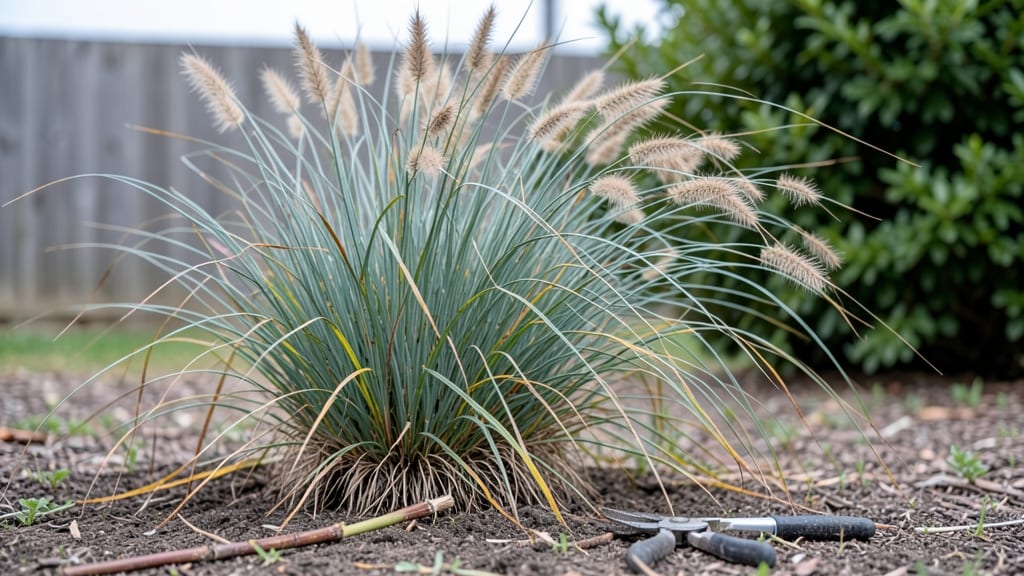
Trimming fountain grass isn't just about shaping—it's about unlocking that necklace-like silhouette that makes it the star of any border.
I learned the hard way that cutting at the wrong time turns those elegant cascades into tangled messes, but once I mastered the timing and technique, my clumps went from scraggly to showstopping in just a few seasons.
The secret starts with the right tools: sharp bypass pruners or a serrated-edge knife for clean cuts, and a sturdy 3-foot pole saw if your grass is tall. Timing matters too—spring is your best bet, right after new growth emerges but before it gets too dense.
For dormant clumps in late winter, a light trim keeps them tidy without shocking the plant.
When done right, you'll see air circulate better, pests stay away, and those feathery plumes stay lush all season. The key is cutting back by about one-third, never more than half, and always at the base where the old growth meets the new.
That's what transforms "just another grass" into the textured masterpiece it's meant to be.
Works for both Pennisetum and Miscanthus, though Miscanthus handles late-season trims slightly better. Here's how to avoid the most common mistakes—like shearing too close to the ground—that turn perfect grass into sad, stunted clumps.
📚 In This Guide
- What you need
- Instructions
- Tips and common mistakes
- Wrapping up and next steps
What you need
- ● Heavy-duty pruning shears or hedge trimmers – Look for bypass-style blades (8–12" length) for clean cuts. Example: Felco F-2 or Fiskars Steel Ergonomic.
- ● Pruning saw – For thick, woody stems (if needed). Example: Bahco Razor Saw.
- ● Garden gloves – Cut-resistant (e.g., Mechanix Wear or Fiskars) to protect your hands from sharp blades and thorns.
- ● Ladder or step stool – If your fountain grass is taller than 5 feet, safety first! Use a stable, 3-sided ladder.
- ○ Pruning disinfectant (optional but recommended) – 70% isopropyl alcohol or a copper-based spray to prevent disease spread between cuts.
- ● Trash bags or compost bin – For clippings (fountain grass is not typically compostable due to its fibrous nature).
- ● Water source (hose or bucket) – To rinse tools and clean up debris.
- ● Hand pruners – For smaller, detailed trims or shaping younger plants.
- ● String or garden twine – To mark desired height lines for even trimming.
- ● Safety goggles – Protects eyes from flying debris, especially when using power tools.
- ● Knee pads or cushion – For comfort during long sessions.
- ● Extension cord (if electric tools are used) – Ensure it’s outdoor-rated and long enough to reach your work area.
Precision pruning techniques for fountain grass maintenance
Here’s how to keep your fountain grass looking flawless all year—no guesswork, just perfect results.
Choose the Right Time and Tools
Timing is everything for fountain grass. I always prune in late winter or early spring, just before new growth begins—usually February or March in most climates. This ensures you’re cutting back old, dead foliage while leaving room for fresh, vibrant shoots. Avoid pruning in fall, as the plant needs its leaves to store energy for winter.
Grab your sharp bypass pruners and a hand saw (for thicker stems). Dull blades tear rather than cut cleanly, which can damage the plant and leave jagged edges. I also like to have a glove on hand—fountain grass can be scratchy! Work on a dry day when the grass isn’t damp, as wet foliage makes cutting messy and can spread disease if your tools aren’t sterilized.
Remove Dead and Damaged Foliage
Start by inspecting the entire plant. Look for brown, brittle stems or yellowed, dried-out leaves—these are dead and need to go. Use your pruners to snip off any dead foliage at the base, cutting as close to the ground as possible. This clears out last year’s growth and makes room for new, healthy shoots.
If you see thick, woody stems that won’t cut easily, use the hand saw. Sawing through tougher material prevents the plant from tearing, which can leave unsightly gaps. After removing the dead parts, step back and assess the plant’s shape. You want to maintain its natural, flowing form—don’t over-prune by cutting too much at once. The goal is to reveal fresh, green growth underneath.
Thin Out Overcrowded Centers
Fountain grass can get dense over time, especially in the center where sunlight struggles to reach. Use your pruners to thin out the oldest, thickest stems by cutting them back to the ground. This encourages new growth at the base and keeps the plant full and bushy. I usually remove about 20-30% of the oldest stems in one session—don’t go overboard, or you’ll shock the plant.
Watch for bare spots or thin areas where the grass isn’t growing as vigorously. These are signs the plant needs more airflow and light. By thinning, you’re not just shaping the grass—you’re improving its health. After trimming, the plant will naturally fill in those gaps with fresh, lush growth. This step is key for keeping fountain grass looking perfect and full all season.
Shape and Refine the Edges
Now for the finishing touches. Step back and admire the plant’s natural shape—fountain grass has a beautiful, arching form. Use your pruners to neaten any uneven edges or trim back any straggly stems that stick out. Cut at a slight angle if needed to blend the edges seamlessly into the surrounding landscape.
For a polished look, I like to run my fingers along the foliage to feel for any rough or uneven spots. If you notice a stem that’s growing in an awkward direction, trim it back to encourage new growth in a more balanced shape. Avoid cutting into the inner crown of the plant—this is where the new growth emerges, and damaging it can stunt the grass’s ability to regenerate.
Clean Up and Maintain Year-Round
After pruning, gather all the clippings and dispose of them properly. You can compost them if they’re disease-free, or toss them in the trash if you notice any signs of rot or pests. Sweep up any debris around the base of the plant to keep the area tidy and reduce the risk of fungal growth.
To keep your fountain grass looking perfect all year, give it a light trim in mid-summer if it gets too leggy. Water deeply after pruning to help the plant recover, and apply a slow-release fertilizer in early spring to encourage strong new growth. With this routine, your fountain grass will stay vibrant, healthy, and beautifully shaped season after season.
Tips & tricks for perfect fountain grass pruning
A few key tricks will help you achieve flawless fountain grass that stays lush and shaped all year—let’s make this pruning session your best yet!
The Timing Factor: Late winter or early spring is non-negotiable for that perfect prune. If your climate is particularly warm, you can push it to very early spring—look for those first signs of fresh green growth emerging at the base. This timing ensures you’re removing only last year’s dead material while protecting the new shoots that will give you that vibrant look. Confession: I once pruned in fall and nearly lost my grass to winter damage!
Tool Prep is Everything: Sterilize your pruners and hand saw with rubbing alcohol before you start—this prevents spreading any fungal spores from plant to plant. I also recommend sharpening your blades beforehand; dull tools crush stems instead of cutting cleanly, which can leave ragged edges and stress the plant. A quick test: if your pruners struggle to cut through a piece of paper cleanly, they need sharpening.
Thinning Strategy: When you’re thinning those overcrowded centers in Step 3, focus on removing the oldest stems first—they’re usually the thickest and woody. I like to work in sections, cutting back about 20% of the oldest stems in each area. This might sound counterintuitive, but removing the oldest growth actually stimulates new, healthier growth from the base. Think of it like giving your fountain grass a fresh start!
Post-Prune Care: After you’ve finished shaping, give your fountain grass a deep watering to help it recover. I always add a slow-release fertilizer at this time—it gives the plant the nutrients it needs to bounce back quickly. This is especially important if you’ve done any heavy thinning, as the plant will be working hard to fill in those gaps with fresh growth.
Pro Tips for Trim Fountain Grass
- A few key tricks will help you achieve flawless fountain grass that stays lush and shaped all year—let’s make this pruning session your best yet!
- The Timing Factor: Late winter or early spring is non-negotiable for that perfect prune.
- Tool Prep is Everything: Sterilize your pruners and hand saw with rubbing alcohol before you start—this prevents spreading any fungal spores from plant to plant.
Frequently asked questions
Got questions about keeping your fountain grass looking its best? Here are some common ones—and their answers—to help you trim like a pro!
When is the best time to trim fountain grass?
Trim fountain grass in early spring (just as new growth emerges) and again in late summer or early fall to maintain shape. Avoid cutting in winter—it’s dormant! For a polished look, you can do light touch-ups throughout the growing season, but avoid heavy cuts after mid-summer to prevent stress.
How short can I trim fountain grass without harming it?
Never cut more than ⅓ of the plant’s height at once. Fountain grass thrives with a natural, layered look, so aim to leave at least 6–12 inches of growth, depending on the variety. Over-trimming weakens the plant and can lead to browning or dieback.
What’s the difference between trimming and shearing fountain grass?
Trimming (with sharp shears or a string trimmer) is best for shaping and thinning individual clumps, while shearing (with hedge trimmers) works for uniform, dense varieties like Pennisetum ‘Little Bunny’. For most fountain grass, trimming is gentler and preserves its textured, airy form.
Can I trim fountain grass in winter?
No—never trim in winter! Fountain grass is dormant and lacks the energy to recover. Instead, wait until early spring when new growth signals it’s time. If you must clean up dead foliage, use a rake or broom to remove debris, but avoid cutting live stems.
What if my fountain grass looks ragged after trimming?
Ragged edges happen when cuts are uneven or too close to the base. For a cleaner look, trim in stages—start with the outer fronds, then work inward. If the plant looks stressed, skip heavy cuts and focus on shaping. Over time, it’ll bounce back with proper care!
Are there alternatives to trimming fountain grass?
Yes! If you dislike trimming, try these low-maintenance options:
- Natural shape: Let it grow freely for a wild, textured look—just remove dead fronds.
- Thinning: Pull out old, woody stems at the base in early spring to encourage fresh growth.
- Container growing: Smaller varieties (like Pennisetum ‘Hameln’) stay compact and need minimal trimming.
Wrapping up and next steps
Trimming fountain grass isn’t just about keeping your yard tidy—it’s an art that transforms your outdoor space into a lush, ever-changing masterpiece. 🌿 With the right tools, timing, and techniques, you’ll enjoy year-round texture, health, and curb appeal.
Whether you’re a pruning pro or a beginner, every snip brings you closer to that polished, professional look.
Ready to take the next step? Grab your shears, mark your calendar for the perfect trimming window, and dive in—your fountain grass (and neighbors!) will thank you. Start small, stay consistent, and watch your garden flourish!