
Lawn
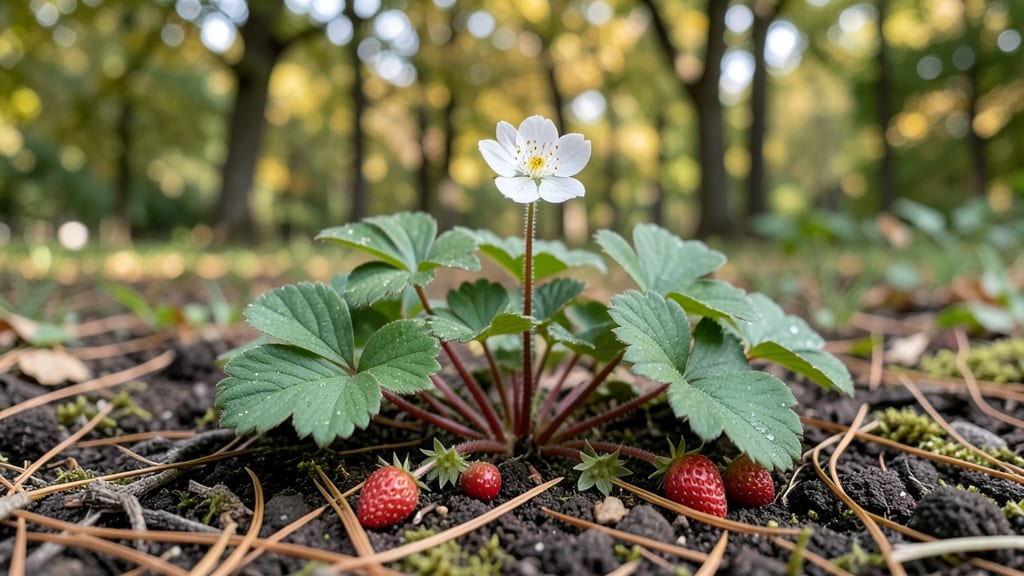
Wild strawberries creeping through your lawn aren’t just weeds—they’re edible, fragrant, and surprisingly pretty. 🌿 I used to pull them out every spring, but now I let them grow in one corner, turning my lawn into a low-maintenance berry patch that neighbors admire.
The key is controlling them so they don’t take over while still enjoying their bright red blooms and tiny, sweet berries.
You’ll need a sharp hoe, a pair of pruners, and a little patience—no chemicals required. The best time to tackle them is early spring before they spread aggressively, or late summer when they’re less aggressive.
Simply cut them down at the base or dig up the roots if they’re clustered in one spot. For a more natural approach, try mulching with straw to smother new growth while keeping your grass healthy.
What you’ll end up with is a lawn that’s both functional and beautiful, with pockets of wild strawberries adding color and even a harvestable treat. The berries attract pollinators, and the flowers create a lovely contrast against green grass.
Plus, you’ll save time by avoiding harsh herbicides—just a little strategic trimming keeps them in check.
This method works year-round, though spring and fall are the easiest times to manage them. If they start spreading too much, repeat the process every 4-6 weeks until they’re under control.
Your lawn will stay green, and you’ll have a secret stash of wild strawberries for jams, teas, or just snacking straight from the ground.
📚 In This Guide
- What you need
- Instructions
- Tips and common mistakes
- Wrapping up and next steps
What you need
- ● Wild strawberry plants: 10–20 plants (or 1 lb of seeds if starting from scratch)
- ● Pro tip: Look for Fragaria vesca (woodland strawberry) or Fragaria virginiana (Virginia strawberry) varieties for best results.
- ● Well-draining soil: Mix in 2–3 inches of compost or organic matter (e.g., aged manure or leaf mold) to improve fertility.
- ● Garden gloves: A pair to protect your hands from thorns and soil.
- ● Hand trowel or small shovel: For digging small holes (2–3 inches deep).
- ● Watering can or hose with a gentle spray nozzle: Wild strawberries prefer consistent moisture but hate soggy roots.
- ○ Organic mulch (optional but recommended): 2–3 inches of straw, wood chips, or pine needles to retain moisture and suppress weeds.
- ● Slow-release fertilizer: A balanced 10-10-10 or organic option (e.g., fish emulsion) to boost early growth.
- ● Edging tool: To neatly define strawberry patches in your lawn for a polished look.
- ● Row covers or shade cloth (for hot climates): Protects young plants from intense sun or pests.
- ● Pruners or scissors: For trimming runners or harvesting berries cleanly.
- ● pH test kit: Ensures your soil is slightly acidic (pH 5.5–6.5)—wild strawberries thrive in this range!
- ● ✅ Sunlight: Choose a spot with partial shade to full sun (4–6 hours of sunlight daily).
- ● ✅ Lawn prep: Lightly aerate compacted soil or remove weeds before planting.
- ● ✅ Patience: Wild strawberries take 2–3 years to fully establish and produce abundant berries!
Step-by-Step guide to establishing wild strawberries in your lawn
Transform your lawn into a lush, fragrant carpet with these hardy ground covers.
🌱 Step 1: Prepare the Soil for Planting
Wild strawberries thrive in well-draining soil with plenty of organic matter. Start by testing your lawn's soil pH—these plants prefer a slightly acidic range of 5.5-6.5. If your soil is heavy clay or compacted, loosen it with a broadfork to a depth of 4-6 inches to encourage root spread.
Spread a 2-3 inch layer of compost or well-aged manure over the planting area. Rake it lightly into the top 2 inches of soil to improve fertility without smothering existing grass. Avoid heavy fertilizers—they encourage leafy growth at the expense of fruit production. Water the area thoroughly to settle the compost and moisten the soil before planting.
🌿 Step 2: Plant Wild Strawberry Crowns or Seeds
For fastest results, plant bare-root crowns in early spring or fall when temperatures are mild. Space them 6-12 inches apart in rows 18-24 inches apart to allow for natural spreading. Dig small holes just deep enough to cover the crowns completely—no deeper, or they'll rot.
If starting from seeds, scatter them thinly over prepared soil in early spring. Press them lightly into the surface—no covering needed. Keep the soil consistently moist until germination, which typically occurs in 2-4 weeks. Thin seedlings to the same 6-12 inch spacing once they develop their first true leaves. Here's the thing—wild strawberries spread aggressively, so proper spacing prevents overcrowding and ensures better fruit production.
☀️ Step 3: Establish Proper Light and Water Conditions
Wild strawberries flourish in full sun to partial shade, with at least 4-6 hours of direct sunlight daily. In hot climates, afternoon shade helps prevent leaf scorch. If your lawn receives less than 4 hours of sun, supplement with a dappled shade situation—they'll still produce fruit but with reduced vigor.
Water deeply once per week during the first growing season to establish roots. Once established, they're remarkably drought-tolerant—water only when the top 2 inches of soil feel dry. Overwatering is the fastest way to invite fungal diseases like powdery mildew. You'll notice healthy plants have glossy, dark green leaves and sturdy stems capable of supporting the small white flowers that precede fruit.
✂️ Step 4: Maintain Through the Growing Season
Minimal maintenance is the beauty of wild strawberries. In early spring, remove any dead foliage from the previous season to encourage new growth. As plants mature, they'll spread via runners—let them colonize naturally, but trim back aggressive runners if they begin to smother adjacent plants.
Fertilize lightly in early spring with a balanced organic fertilizer (10-10-10) applied at half-strength. Too much nitrogen produces lush foliage but fewer berries. Watch for pests like slugs and snails—they adore tender new growth. Handpick them in the evening when they're most active, or use organic slug bait around the plant bases if needed.
🍓 Step 5: Harvest and Encourage Year-Round Growth
Wild strawberries ripen in late spring to early summer, typically 4-6 weeks after flowering. Harvest when the fruit is fully red and slightly soft to the touch. Pick in the morning after the dew has dried to preserve quality. The berries are tiny—about ½ inch in diameter—but packed with intense flavor. You'll get the most fruit if you harvest consistently, as unripe berries won't sweeten further once picked.
After harvest, reduce watering to maintain dormancy if your climate has hot summers. In fall, apply a 2-inch layer of mulch to protect roots from freezing temperatures. Wild strawberries are perennial, so with proper care, they'll return year after year, spreading to create a beautiful, edible ground cover that outcompetes weeds naturally.
Tips & tricks for perfect wild strawberry lawn establishment
A few strategic moves will help you transform your lawn into a thriving wild strawberry haven with minimal effort.
Soil Prep Secret: Don't just test your soil's pH—actually adjust it if needed. If your lawn tests above 6.5, mix in 1-2 pounds of elemental sulfur per 100 square feet and water thoroughly. This gradual adjustment prevents shocking the plants. I've found that adding a handful of coffee grounds to the compost layer (Step 1) gives an extra acidity boost without extra work. The 4-6 inch deep loosening is crucial—it mimics the natural forest floor environment these plants love.
Planting Precision: When planting crowns (Step 2), I always soak them in water for 10-15 minutes before planting to jumpstart root growth. For seeds, create tiny furrows with your finger rather than scattering randomly—this gives seedlings a slight advantage in emerging. The 6-12 inch spacing might seem wide, but trust me: overcrowding leads to smaller berries and more disease pressure. Mark planting spots with small stakes if you're working alone to maintain even spacing.
Light Management: The 4-6 hours of sunlight requirement is non-negotiable for maximum fruit production, but I've found a clever workaround for shady lawns. Plant wild strawberries along the north side of trees where they get morning sun but afternoon shade. This dappled shade situation still yields fruit—just expect about 30% smaller berries. In hot climates, I always install shade cloth (30% shade) over new plantings during the first summer to prevent leaf scorch while roots establish.
Watering Wisdom: That once-per-week deep watering during establishment is perfect, but here's the real trick: water in the early morning so leaves dry quickly, reducing fungal risks. Once established, stick your finger 2 inches deep—if it feels dry, that's your cue. I've seen many gardeners overwater these hardy plants, thinking more is better. The key is letting the soil dry slightly between waterings to develop strong root systems that can handle drought.
Pro Tips for Wild Strawberry In Lawn
- A few strategic moves will help you transform your lawn into a thriving wild strawberry haven with minimal effort.
- Soil Prep Secret: Don't just test your soil's pH—actually adjust it if needed.
- Planting Precision: When planting crowns (Step 2), I always soak them in water for 10-15 minutes before planting to jumpstart root growth.
Frequently asked questions
Got questions about wild strawberries in your lawn?
Here are some of the most common ones—and their answers—to help you grow a lush, edible landscape with ease!
Are wild strawberries easy to grow in a lawn?
Wild strawberries (Fragaria vesca) thrive in lawns because they love sun, tolerate light foot traffic, and spread naturally. They’re low-maintenance, drought-tolerant, and even help suppress weeds. Just avoid heavy herbicides—they’re sensitive to synthetic chemicals. With minimal care, they’ll reward you with sweet berries and vibrant foliage year-round!
When is the best time to plant wild strawberries in a lawn?
Plant them in early spring or fall for the best success. These seasons offer cooler temps and moisture, which help roots establish before summer heat. If you’re overseeding, choose a mild day (like a cloudy afternoon) to reduce transplant shock. Avoid planting in peak summer—heat stress can stunt growth until cooler weather returns.
Will wild strawberries take over my lawn?
Wild strawberries are not aggressive spreaders like creeping Charlie or clover, but they will slowly fill in bare spots. To control their spread, mow high (3–4 inches) and thin them out annually in early spring. If they multiply too much, simply dig up excess plants and relocate them to borders or containers. They’re easy to manage with gentle lawn care!
How do I encourage bigger, sweeter wild strawberries?
For plump, flavorful berries, focus on these tips:
- Water deeply (1 inch per week) during dry spells—they’re drought-tolerant but produce better with consistent moisture.
- Fertilize lightly in spring with low-nitrogen, high-phosphorus fertilizer (like 5-10-10) to boost fruiting.
- Prune spent foliage after harvest to redirect energy to new growth.
- Mulch with straw or grass clippings to retain moisture and deter weeds.
What’s a good alternative if wild strawberries don’t thrive in my lawn?
If your climate or soil isn’t ideal, try these low-maintenance, edible lawn alternatives:
- Clover – Nitrogen-fixing, drought-resistant, and great for pollinators.
- Creeping thyme – Fragrant, sun-loving, and tolerates light foot traffic.
- Microgreens or wheatgrass – Fast-growing and edible (but needs more care).
- Chives or garlic chives – Perennial, pest-resistant, and great for cooking.
Wrapping up and next steps
Discovering wild strawberries in your lawn isn’t just a delightful surprise—it’s a chance to transform your outdoor space into a low-maintenance, edible paradise! 🌱 These hardy plants thrive with minimal care, offering year-round beauty and a sweet reward.
Whether you’re a gardening novice or a seasoned green thumb, embracing wild strawberries is an easy way to enhance your landscape naturally.
Ready to take the next step? Start small—plant a few seeds or transplant a patch from a friend’s yard. Before you know it, your lawn will be a lush, fruiting haven. Happy growing! 🌟