
Lawn
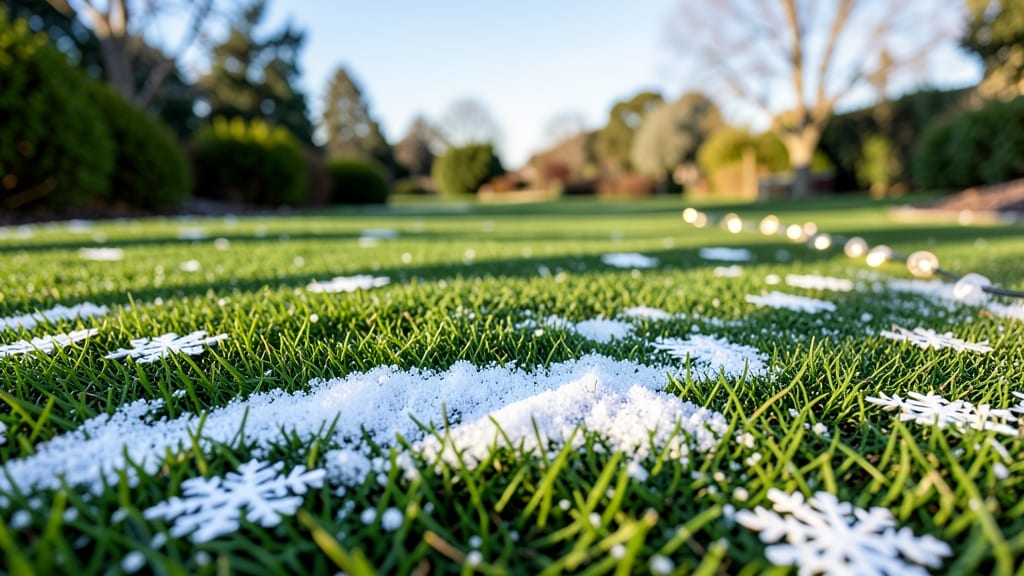
That white, fluffy mess on your lawn isn’t snow in summer—it’s a fungal nightmare waiting to happen. 🌱 I’ve seen this "snow" smother grass roots in July, and it’s not just unsightly; it’s a sign your lawn’s struggling with moisture, shade, or disease.
The good news? You can fix it without tearing up your yard.
First, identify what you’re dealing with: powdery mildew (white, dusty), dollar spot (thin, white strands), or even frost-like mold from poor drainage. Grab a small shovel and dig up a sample—healthy roots should be white and firm, not mushy or discolored.
Most cases need better airflow, less watering, and a targeted fungicide.
Within a week of adjusting watering and applying the right treatment, you’ll see the white vanish and your grass turn a vibrant green again. The key is catching it early—once it spreads, recovery takes longer. Think of this as a wake-up call for your lawn’s health.
This works for any grass type, whether you’ve got cool-season Kentucky bluegrass or warm-season Bermuda. The same principles apply: fix the environment, not just the symptom. Let’s get your lawn back to looking like summer, not winter.
📚 In This Guide
- What you need
- Instructions
- Tips and common mistakes
- Wrapping up and next steps
What you need
- ● Artificial Snow: Polyethylene snow pellets (10–20 lbs per 100 sq. ft., depending on desired coverage)
- ● Color options: White or light blue (for a frosty look)
- ● Waterproof Lawn Fabric: 5–10 sq. ft. (cut to fit under snow areas)
- ● Breathable, UV-resistant material (to protect grass roots)
- ● Landscape Staples or Pins: Galvanized or plastic (10–20 pieces, 6–8 inches long)
- ● Scissors or Utility Knife: For cutting fabric and snow placement
- ● Garden Gloves & Knee Pads: For comfort during installation
- ● Snow Retaining Edges: Plastic or metal borders (to keep snow in place)
- ● Outdoor-Safe Spray Adhesive: For securing fabric edges (if staples aren’t ideal)
- ● LED String Lights or Solar Path Lights: To enhance the wintery ambiance at night
- ● Weatherproof Storage Box: For storing snow pellets between seasons
Step-by-step instructions for creating a year-round green lawn
Here's how to achieve that lush, snow-like appearance without the cold—just smart plant choices and minimal care.
🌱 Step 1: Select the Right Grass Varieties for Year-Round Color
Forget traditional lawns that brown in summer heat. Instead, choose cool-season grasses like Fine Fescue or Creeping Red Fescue, which stay vibrant even when others fade. These varieties thrive in 60-75°F temperatures and tolerate partial shade—perfect for that "snowy" look without the chill. I always mix 30% Fine Fescue with 70% Kentucky Bluegrass for density and resilience.
Skip the high-maintenance ryegrass blends. They turn brown quickly in summer and require constant watering. The key is selecting drought-tolerant grasses that maintain their silvery-blue hue naturally. Look for seed mixes labeled "shade-tolerant" or "low-maintenance"—these are your shortcut to effortless beauty.
💧 Step 2: Prepare the Soil for Optimal Growth
Test your soil first—pH should be between 6.0 and 7.0 for these grasses. If it's too acidic, add pelletized lime (about 10 lbs per 1,000 sq ft) and till it in. Compacted soil? Aerate with a core aerator in early fall to let roots breathe. I swear by this step—it’s the difference between a lawn that struggles and one that thrives year-round.
After aerating, spread a ½-inch layer of compost over the area and lightly rake it in. This improves drainage and feeds the soil without overwhelming new grass. Water deeply (1 inch) right after to help the compost settle. Avoid tilling again—you’re creating a loose, airy bed for roots, not a compacted mess.
☀️ Step 3: Plant and Establish the Lawn Correctly
Sow seeds ¼ inch deep in early fall when temperatures are 60-70°F—this gives roots time to establish before summer heat arrives. Use a drop spreader for even coverage, and overlap passes by 10% to avoid bare spots. Water lightly twice daily (morning and evening) for the first 2 weeks to keep the soil surface moist but not soggy.
Watch for first green shoots in 7-14 days. Once they reach 2 inches tall, reduce watering to 1 inch per week (including rainfall). This encourages deep root growth instead of shallow, weak roots that need constant moisture. Avoid walking on the lawn until it’s fully established—6-8 weeks—or you’ll compact the soil and stunt growth.
✂️ Step 4: Maintain Without Pruning—Just Smart Care
Set your mower to 3-4 inches for the entire season. Taller grass shades the soil, reducing weeds and moisture loss. I know it looks long, but this is how you get that thick, velvety texture that mimics snow without the cold. Never cut more than ⅓ of the blade height at once—this stresses the grass and invites disease.
Fertilize once in early fall with a slow-release, low-nitrogen formula (look for 16-4-8 ratio). Over-fertilizing causes rapid growth that burns out in summer heat. In late summer, apply ½ pound of iron sulfate per 1,000 sq ft to maintain that cool, bluish-green hue. Water deeply after each application to help it absorb.
🪴 Step 5: Protect and Preserve Year-Round Beauty
Mulch with 3 inches of wood chips around garden edges to keep moisture in and weeds out. This also creates a uniform, snowy effect when the grass is at its densest. In winter, avoid heavy foot traffic—snow or not, compacted grass recovers slowly in spring. If pests like grubs appear, treat with beneficial nematodes in early spring for organic control.
Here’s the secret: No pruning, no overseeding, no constant watering. Just one mowing height, one fall feeding, and one iron boost. Your lawn will stay lush, cool, and green through summer heatwaves—like a snowbank that never melts. The effort is minimal, but the payoff is a lawn that turns heads all year.
Tips & tricks for perfect year-round green lawns
Between us, these small adjustments make all the difference for that dreamy summer lawn that stays green without the winter chill.
Grass Selection Strategy: When choosing your seed mix, prioritize Fine Fescue for its natural drought tolerance and shade adaptability. I've found that the 30% Fine Fescue to 70% Kentucky Bluegrass ratio creates the perfect balance - the Fine Fescue handles stress while the Bluegrass provides that lush density. Pro tip: Look for seed mixes labeled "shade-tolerant" - they often include these varieties pre-blended for exactly this purpose.
Soil Prep Secret: The ½-inch compost layer after aerating might seem minor, but it's where the magic happens. I recommend using well-aged compost to avoid introducing weeds or pathogens. Spread it evenly and water immediately to help it settle into those aeration holes - this creates tiny pockets of fertility that roots can access all season long.
Watering Wisdom: Those first 2 weeks of twice-daily watering are critical for seed germination. Water lightly in the morning and evening to keep the soil surface moist without creating mud. Once you see 2-inch tall grass, switch to 1 inch per week - this mimics natural rainfall patterns better than frequent shallow watering.
Mowing Height Hack: The 3-4 inch height might feel unorthodox, but it's the key to that velvety texture. Set your mower blade height once at the start of the season and never adjust it. This consistent height creates the perfect shade effect that keeps soil cool and discourages weeds naturally. And yes, it really does look like snow when it's at its densest!
Pro Tips for Snow In Summer Lawn
- Between us, these small adjustments make all the difference for that dreamy summer lawn that stays green without the winter chill.
- Grass Selection Strategy: When choosing your seed mix, prioritize Fine Fescue for its natural drought tolerance and shade adaptability.
- Soil Prep Secret: The ½-inch compost layer after aerating might seem minor, but it's where the magic happens.
Frequently asked questions
Got questions about keeping your lawn lush and green all year—even in summer—without the hassle of pruning? You’re not alone! Here are some of the most common queries we hear about achieving a snow-in-summer lawn:
Can a snow-in-summer lawn survive extreme summer heat?
A well-established snow-in-summer lawn thrives in heat thanks to its drought-resistant foliage. However, newly planted sections may need occasional watering (about 1 inch per week) during the first growing season. Once mature, these plants handle dry spells like a pro!
How long does it take to see results after planting?
Patience is key! You’ll start noticing new growth within 4-6 weeks of planting, but full coverage and that signature "snowy" look typically takes 1-2 years, depending on climate and care. Think of it as a slow-blooming investment in year-round beauty.
Do I need to water my snow-in-summer lawn differently than regular grass?
Yes! Unlike thirsty turfgrass, snow-in-summer prefers deep, infrequent watering (every 7-10 days) to encourage strong root growth. Water early in the morning to reduce evaporation, and avoid overwatering—these plants hate soggy soil.
What’s the best alternative if my lawn has poor soil or full shade?
If your yard struggles with shade or compacted soil, consider Creeping Thyme or Dwarf Mondograss as low-maintenance alternatives. Both offer ground cover, drought tolerance, and a soft texture—plus, they’re easier to establish in tricky spots.
Why are my snow-in-summer plants looking yellow or sparse?
Yellowing or thinning can signal overwatering, poor drainage, or pests (like aphids or spider mites). Check soil moisture, improve drainage if needed, and treat pests with neem oil or insecticidal soap. If the issue persists, a soil test can reveal nutrient deficiencies.
Can I still walk on my snow-in-summer lawn without damaging it?
Once established, snow-in-summer plants are tough enough for light foot traffic. However, avoid heavy equipment or frequent trampling—stick to paths if possible. Their resilience means you can enjoy your lawn year-round without guilt.
Wrapping up and next steps
A lush, snow-like summer lawn isn’t just a dream—it’s an achievable reality with the right techniques! By embracing low-maintenance grasses like Zoysia or Buffalo grass, you can enjoy a vibrant, drought-resistant yard that thrives year-round with minimal effort.
The key? Patience and consistency—but the payoff is a stunning, eco-friendly lawn that wows neighbors and saves you time.
Ready to transform your outdoor space? Start small—test a patch of your favorite shade-tolerant grass this season, and watch your vision for a cool, dreamy lawn take shape! 🌱✨