
Transplanting
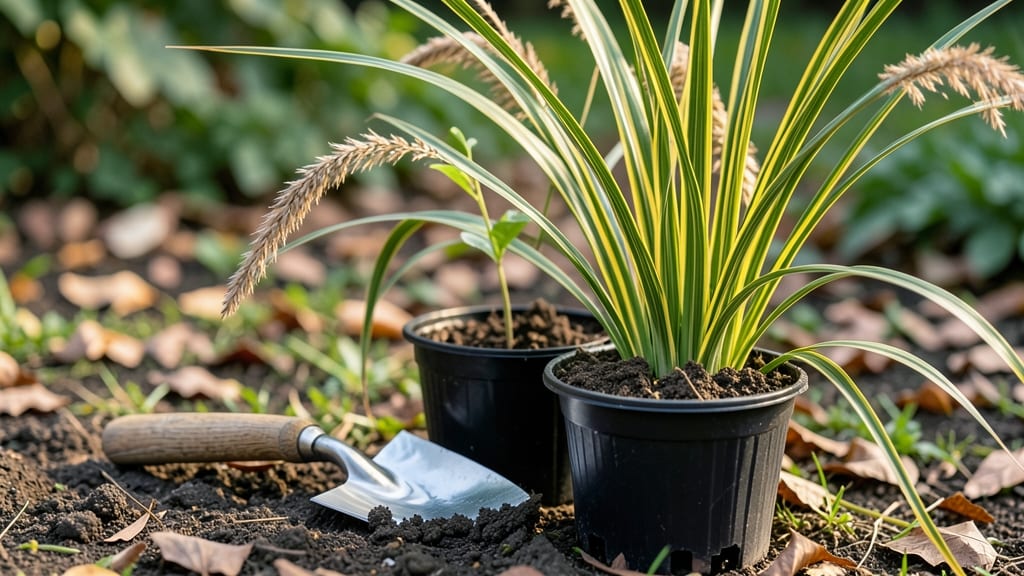
Transplanting ornamental grass transforms your yard from seasonal to stunning year-round. ✨ I’ve moved clumps in every season—spring, fall, even winter—and the key isn’t timing alone, but how you prep the soil and handle the roots.
Most people rush this step, but taking 30 minutes to loosen the soil around the edges makes all the difference.
The secret lies in the soil: amend it with compost before moving plants, and avoid heavy clay or sandy spots. Use a sharp spade to lift clumps cleanly, keeping as much root ball intact as possible.
Water deeply the day before transplanting to reduce shock—roots stay moist and resilient, not brittle. This small prep step prevents the most common mistake: wilting grass that never recovers.
After planting, you’ll notice new growth within weeks, not months. The grass fills in denser than ever, with no deadheading needed—just let it sway in the breeze. By late summer, it’ll be thicker than your neighbors’ lawns, and the texture?
Pure, effortless elegance. The best part? Once established, these grasses thrive with almost no maintenance.
Works for prairie grasses, fountain types, or even dwarf varieties in containers. Whether you’re filling a shady corner or brightening a sunny border, this method guarantees lush, low-fuss results. Ready to give your yard some year-round drama?
📚 In This Guide
- What you need
- Instructions
- Tips and common mistakes
- Wrapping up and next steps
What you need
- ● Ornamental grass plants: 3–10 plants (depending on desired coverage; check plant tags for mature size). Popular varieties include Miscanthus, Pennisetum, or Carex.
- ● Transplanting shovel or spade: 1 (sharp, 12–18" long for precision digging).
- ● Garden gloves: 1 pair (heavy-duty for protection and grip).
- ● Pruning shears: 1 (for trimming dead foliage or overgrown clumps).
- ● Compost or well-aged manure: 2–3 gallons (to enrich soil before transplanting).
- ○ Mulch (optional but recommended): 2–3 bags (straw, pine needles, or shredded bark to retain moisture and suppress weeds).
- ● Watering can or hose with a gentle spray nozzle: 1 (for post-transplant hydration).
- ● Garden fork: 1 (to loosen compacted soil before planting).
- ● Soil test kit: 1 (to check pH and nutrient levels; ornamental grasses prefer slightly acidic to neutral soil (pH 6.0–7.0)).
- ● Fertilizer (slow-release, low-nitrogen): 1 bag (e.g., 10-10-10 or organic options like fish emulsion).
- ● Planting grid or measuring tape: 1 (to space plants evenly, typically 12–36" apart, depending on variety).
- ● Edging tool: 1 (to define borders neatly if planting in rows).
- ● Knee pads or stool: 1 (for comfort during long planting sessions!).
Step-by-step instructions for transplanting ornamental grass
Here's how to move ornamental grasses with confidence—minimal stress, maximum beauty.
🪴 Step 1: Choose the Right Time and Prepare the New Location
Spring or early fall are ideal times to transplant ornamental grasses because the soil is workable and plants are actively growing but not stressed. Avoid transplanting during extreme heat or cold—roots need time to establish before facing temperature swings. I like to mark my calendar for late March to early May or September to October in most climates.
Select a spot that mimics the grass's natural light preferences. Most ornamental grasses thrive in full sun (6+ hours daily), but some varieties like Carex or Hakonechloa tolerate partial shade. Test the soil moisture by digging a 6-inch hole—if it feels dry, your site drains too quickly. Amend heavy clay with 2 inches of compost to improve drainage, but avoid soggy spots where roots can rot.
🌱 Step 2: Dig Up the Grass Carefully to Preserve the Root Ball
Water the grass 24 hours before transplanting to soften the soil and reduce root damage. Use a sharp spade or garden fork to dig around the clump, cutting 4-6 inches beyond the plant's base to include as many roots as possible. Lift the grass gently—if the root ball breaks apart, don’t force it. I’ve learned the hard way that tugging at stubborn clumps can strip roots and set the plant back for months.
Wrap the root ball in burlap or a towel if you’re moving it more than 20 feet—this keeps roots from drying out. For larger grasses like Miscanthus or Pennisetum, I’ll even use a garden cart to wheel them directly to the new spot. The goal is to minimize root exposure to air, which causes desiccation. If you notice any broken roots, trim them with clean pruners to prevent disease entry points.
☀️ Step 3: Plant at the Same Depth and Amend the Soil
Dig a hole twice as wide as the root ball but no deeper—planting too deep suffocates the crown and causes rot. Loosen the soil at the bottom of the hole with your hands or a fork to encourage root spread. Mix 1 part compost into the native soil (use the 2 gallons of compost you’ve set aside) to give the grass a nutrient boost without overwhelming it.
Place the grass in the hole, ensuring the crown sits at soil level. Fill the gap with amended soil, pressing gently to remove air pockets. Water deeply until the soil 1 inch below the surface feels moist—this helps settle the roots into place. Avoid compacting the soil too firmly, as ornamental grasses need loose, aerated roots to thrive. A light mulch of 1 inch of shredded bark around the base helps retain moisture while keeping weeds at bay.
💧 Step 4: Water and Monitor for Stress Signs
Water the transplanted grass every other day for 2 weeks, giving it 1 gallon per clump each time. You’ll know it’s getting enough moisture when the soil feels damp 1 inch below the surface—not soggy, just consistently hydrated. After that, reduce to once a week unless your area experiences a heatwave. Ornamental grasses are drought-tolerant once established, but newly transplanted ones need consistent moisture to root.
Watch for signs of stress: yellowing leaves usually mean overwatering, while brown, crispy tips signal underwatering. If you see wilting, water immediately and check the soil moisture. I’ve found that morning watering is best—it gives leaves time to dry before evening, reducing fungal risks. Avoid fertilizing for 6 weeks post-transplant; the grass needs to focus on root growth, not foliage.
Tips & tricks for perfect ornamental grass transplanting
These simple strategies will help your ornamental grasses thrive after transplanting—no guesswork, just confident results.
Timing is Everything: The 24 hours of pre-watering before digging is non-negotiable. This step softens the soil and makes those roots more flexible, so they don't tear when you lift the clump. I've seen people skip this and end up with half the roots stripped away—don't make that mistake! Water again immediately after transplanting to help the roots settle into their new home.
Root Ball Rescue: If you accidentally break the root ball during digging, don't panic—just trim the damaged roots cleanly with sterilized pruners. The key is to preserve as much of the root system as possible. For larger grasses like Miscanthus, I've even used a garden cart to move them directly to the new spot, keeping the root ball intact and minimizing stress. The goal is to keep those roots happy and hydrated.
Soil Prep Secrets: When amending the soil with 2 inches of compost, focus on loosening the native soil first. Compacted soil can suffocate new roots, so take the time to break it up with your hands or a fork. I like to mix in the compost right at the bottom of the hole where the roots will spread first—this gives them an instant nutrient boost while they establish.
Watering Wisdom: The 1 inch below the surface moisture check is your best friend. Stick your finger in the soil—it should feel damp but not soggy. Overwatering is the #1 killer of newly transplanted grasses, so resist the urge to drown them with love. Morning watering gives leaves time to dry, reducing fungal risks that can set your plants back.
Pro Tips for Transplant Ornamental Grass
- These simple strategies will help your ornamental grasses thrive after transplanting—no guesswork, just confident results.
- Timing is Everything: The 24 hours of pre-watering before digging is non-negotiable.
- Root Ball Rescue: If you accidentally break the root ball during digging, don't panic—just trim the damaged roots cleanly with sterilized pruners.
Frequently asked questions
Got questions about transplanting ornamental grass? You’re not alone! Whether you're a beginner or just looking for a quick refresher, here are some of the most common concerns—plus straightforward answers to help you nail your project.
When is the best time to transplant ornamental grass?
The ideal window is early spring or early fall when temperatures are mild (50–70°F). Avoid transplanting in extreme heat or cold—grass struggles to establish roots in harsh conditions. If you must transplant in summer, do it on a cloudy day or water thoroughly afterward to reduce stress.
How long does it take for transplanted ornamental grass to recover?
Most ornamental grasses recover within 4–6 weeks, but full root establishment can take up to a year. Water deeply 2–3 times per week (unless rain does the work) for the first month. Avoid cutting back until you see new growth—patience pays off for a lush, resilient plant!
Can I transplant ornamental grass in winter?
Transplanting in winter is possible in mild climates (Zones 7–10), but it’s riskier. If you must, choose a dormant season (late fall to early winter) and protect the roots with mulch. In freezing zones, wait until spring—grass won’t thrive in frozen or waterlogged soil.
What’s the best way to prepare the new planting site?
Start by loosening the soil 12–18 inches deep and amending it with compost for drainage. Remove weeds and rocks, then water the area 24 hours before transplanting. Ornamental grasses hate soggy roots, so ensure the spot has well-draining soil—even if they tolerate a range of conditions!
My transplanted grass is turning brown—what went wrong?
Brown tips or patches usually mean underwatering, overwatering, or transplant shock. Check the soil moisture (it should be damp but not soggy) and avoid fertilizing for 4–6 weeks post-transplant. If the entire plant wilts, it may need more shade—some grasses (like Miscanthus) scorch in full sun.
Pro Tip:
For minimal stress, transplant ornamental grass on a cloudy day or in the late afternoon. This gives roots time to settle before evening temperatures drop. And remember: Less is more—overwatering is a common killer!
Wrapping up and next steps
Transplanting ornamental grass is a rewarding way to add year-round texture and low-maintenance beauty to your landscape—no deadheading required! 🌿 With the right tools, timing, and care, you can create stunning visual interest that thrives with minimal effort.
Whether you're a seasoned gardener or just starting out, the key is patience and attention to detail.
Ready to elevate your outdoor space? Start small—pick one variety to transplant this season—and watch your garden transform with effortless elegance! 🌱